matiz
“matiz” means “nuance” in Spanish (a subtle difference in meaning or expression).
nuance, shade
Also: hint, tone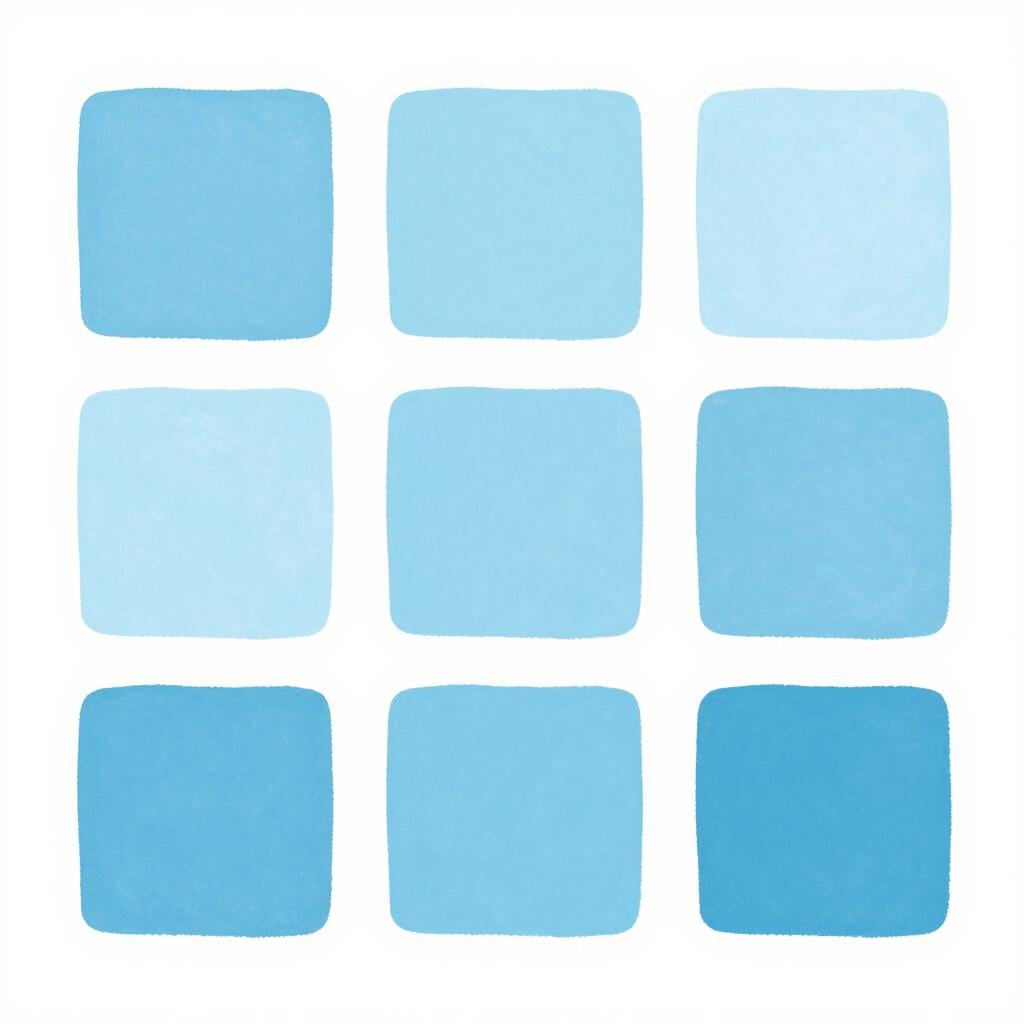
📝 In Action
Esta pintura tiene un matiz de verde muy suave.
A2This painting has a very soft shade of green.
Sus palabras tenían un matiz de ironía que no todos notaron.
B1His words had a hint of irony that not everyone noticed.
Para entender este libro, hay que analizar cada matiz del lenguaje.
B2To understand this book, you have to analyze every nuance of the language.
✏️ Quick Practice
Quick Quiz: matiz
Question 1 of 3
Which of these is the correct way to say 'the nuances'?
📚 More Resources
👥 Word Family▼
📚 Etymology▼
From the Latin word 'matizāre,' which was originally used by artists to describe the mixing and transition of colors on a canvas.
First recorded: 15th century
Cognates (Related words)
💡 Master Spanish
Take your Spanish to the next level. Read 200+ illustrated and narrated Spanish stories tailored to your level with the Inklingo app!
Frequently Asked Questions
Is 'matiz' the same as 'color'?
Not exactly. 'Color' is the general word for red, blue, etc. 'Matiz' is the specific shade or a very slight variation within that color.
Is this a formal word?
It is slightly more sophisticated than words like 'pizca' (pinch) or 'toque' (touch), but you can use it in everyday conversation without sounding too stiff.
How do I use it in a sentence about someone's voice?
You can say 'Su voz tenía un matiz de enfado,' meaning there was a subtle hint of anger in their voice.