How to Say "shade" in Spanish
The most common Spanish word for “shade” is “sombra” — use 'sombra' when referring to an area that is out of direct sunlight, providing coolness or protection from the sun.
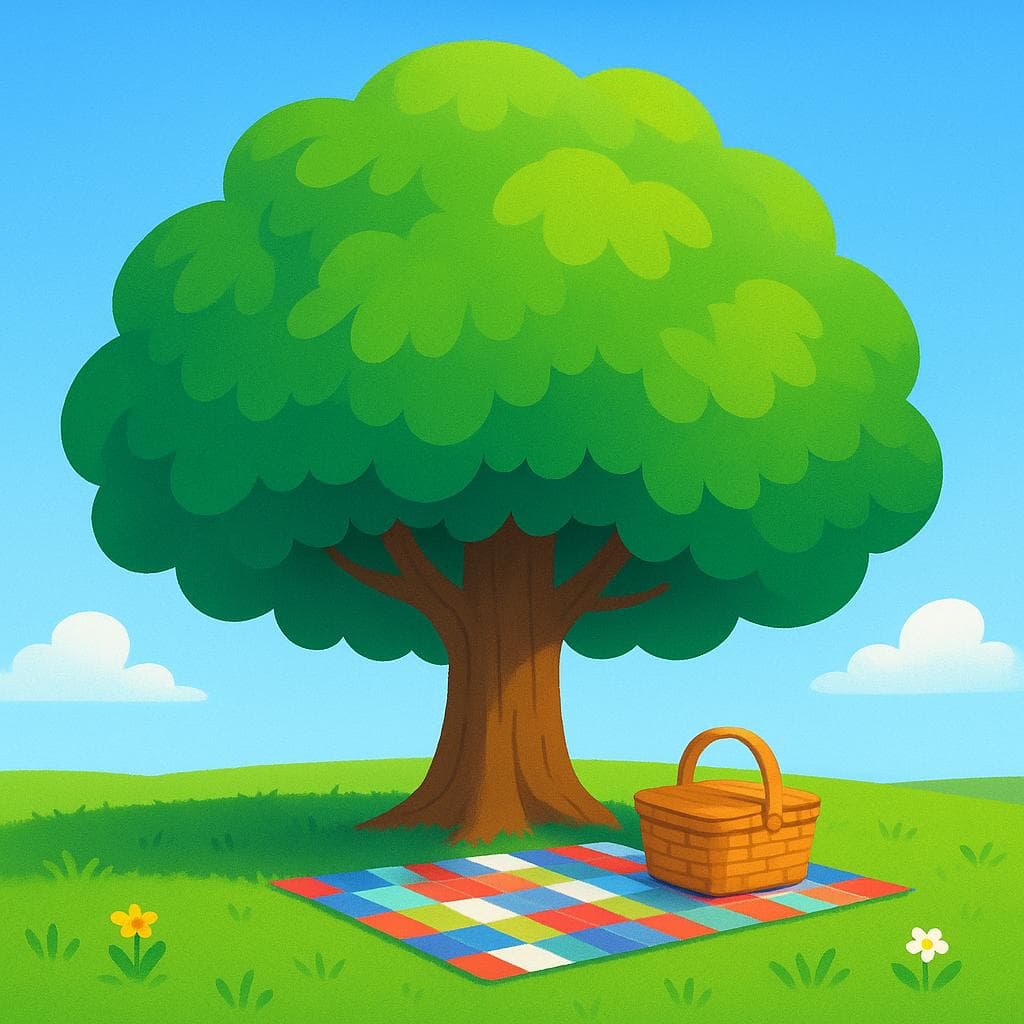
Use 'sombra' when referring to an area that is out of direct sunlight, providing coolness or protection from the sun.
Learn more →
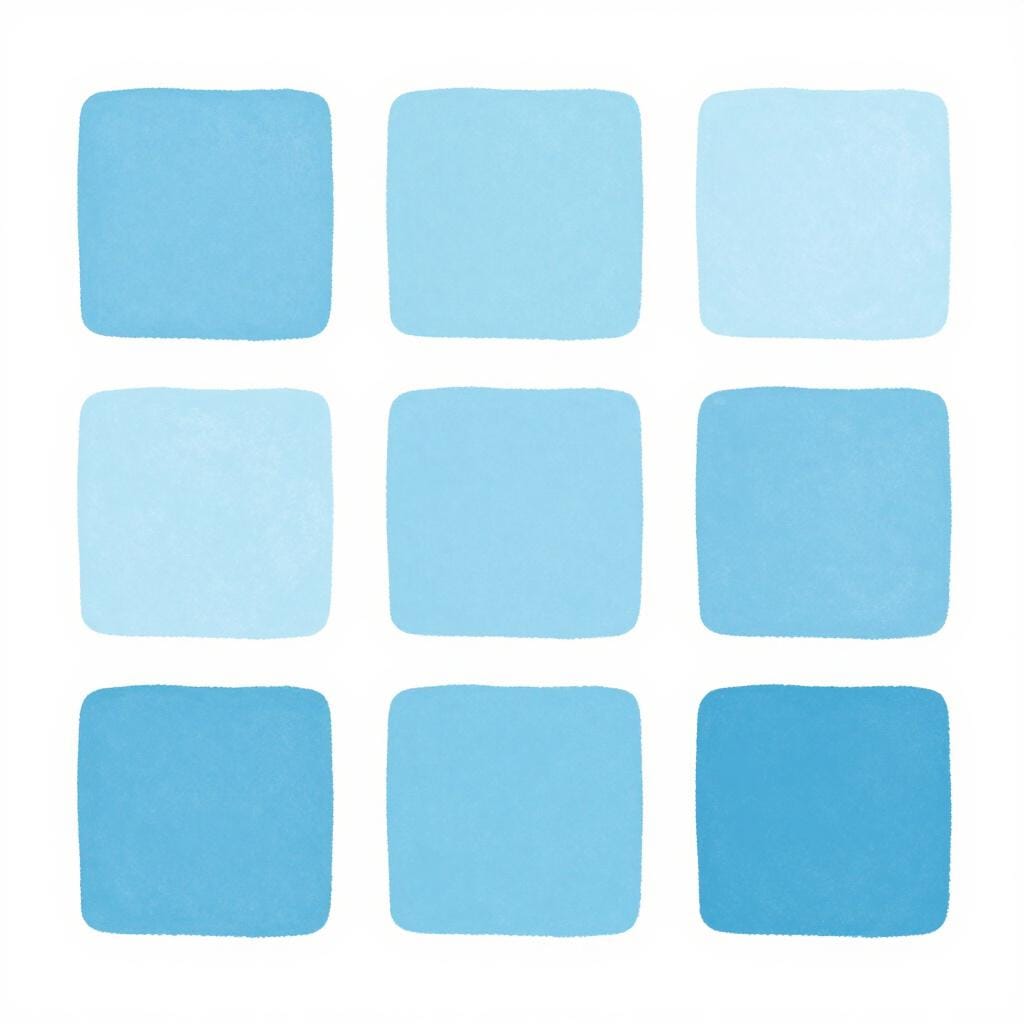
Use 'matiz' to describe a subtle difference or variation in color, often a slight hue or tint.
Learn more →
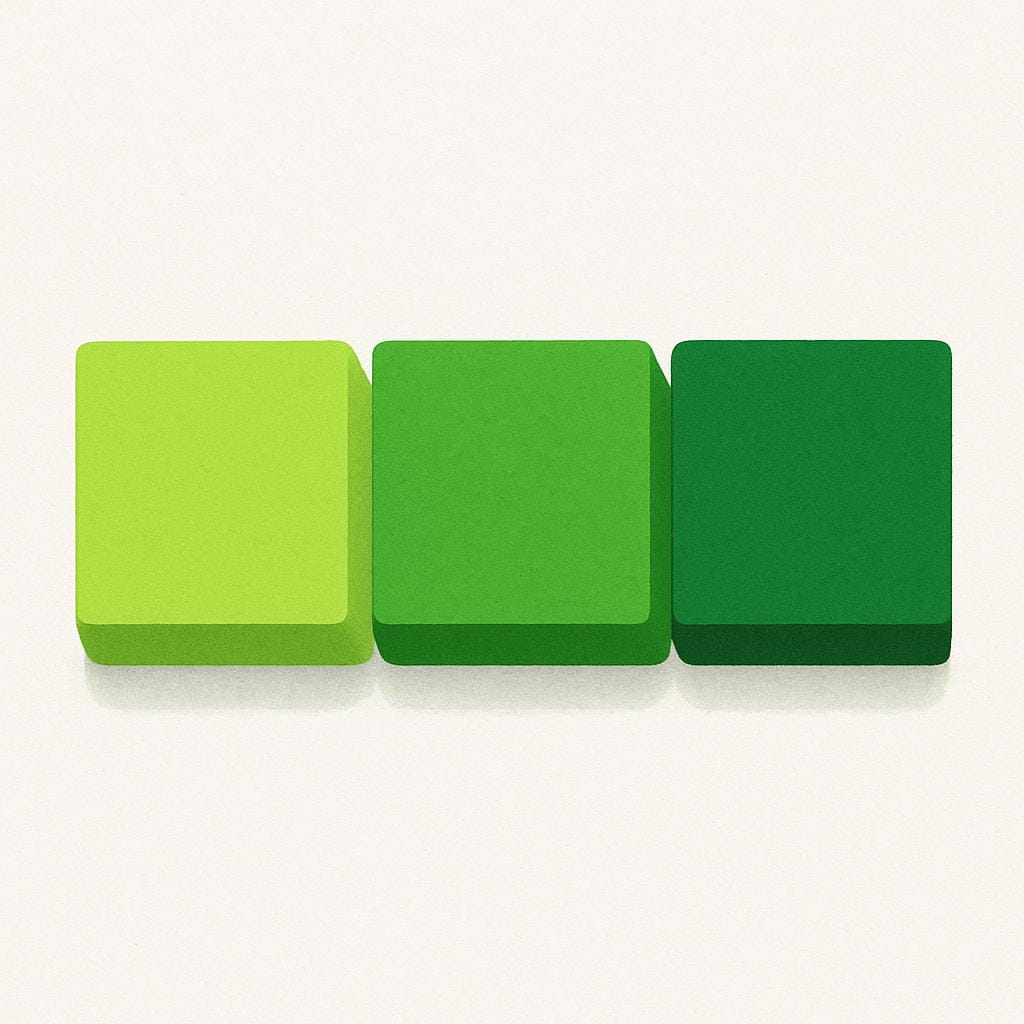
Use 'tono' to refer to the intensity, darkness, or lightness of a color.
Learn more →SOM-brahˈsom.bɾa
Examples
Busquemos la sombra para descansar.
Let's look for the shade to rest.
Hace mucho calor, ¡busquemos la sombra de ese árbol!
It's very hot, let's look for the shade of that tree!
Prefiero leer a la sombra que bajo el sol directo.
I prefer reading in the shade than under direct sun.
Using 'A la sombra'
To say you are 'in the shade,' Spanish often uses the preposition 'a' (to/at) or 'en' (in): 'Estamos a la sombra' or 'Estamos en la sombra.'
Mixing Shade and Darkness
Mistake: “Using 'oscuridad' when referring to shade from the sun.”
Correction: 'Oscuridad' means total darkness (like night). Use 'sombra' when you mean 'shade' from the sun.
ma-TEESSmaˈtiθ
Examples
La pared tiene un matiz de azul muy pálido.
The wall has a very pale shade of blue.
Esta pintura tiene un matiz de verde muy suave.
This painting has a very soft shade of green.
Sus palabras tenían un matiz de ironía que no todos notaron.
His words had a hint of irony that not everyone noticed.
Para entender este libro, hay que analizar cada matiz del lenguaje.
To understand this book, you have to analyze every nuance of the language.
The 'Z' to 'C' change
When you want to talk about more than one 'matiz', the 'z' at the end changes to a 'c' before adding 'es'. So, one is 'el matiz' and two are 'los matices'.
It's a masculine noun
Even though it ends in 'z' (which often indicates feminine words like 'paz' or 'luz'), 'matiz' is masculine. Always use 'el' or 'un' with it.
Gender Error
Mistake: “la matiz”
Correction: el matiz (it is a masculine noun despite the ending).
Spelling the plural
Mistake: “matizes”
Correction: matices (in Spanish, we change z to c before the letter e).
TOH-nohˈtono
Examples
Prefiero los tonos tierra para la decoración.
I prefer earthy shades for the decoration.
Me encantan los tonos azules y verdes oscuros.
I love dark blue and green shades.
Ella se tiñó el pelo de un tono rojizo muy natural.
She dyed her hair a very natural reddish hue.
El pintor usó tonos cálidos para representar el atardecer.
The painter used warm tones to represent the sunset.
Sombra vs. Matiz/Tono
Learners often confuse 'sombra' with 'matiz' or 'tono'. Remember that 'sombra' always refers to physical shade from the sun. 'Matiz' and 'tono' are exclusively used for colors, describing their variations and intensity.
Related Translations
Learn Spanish with Inklingo
Interactive stories, personalized learning, and more.