How to Say "manner" in Spanish
The most common Spanish word for “manner” is “manera” — use 'manera' to describe a general way of doing something, a person's behavior, or a style, especially when it's about how someone acts or presents themselves.






manera
ma-NEH-ramaˈneɾa
Examples
Me gusta la manera en que explicas las cosas.
I like the way you explain things.
Hay dos maneras de llegar al aeropuerto.
There are two ways to get to the airport.
Lo saludó de una manera muy amable.
She greeted him in a very kind manner.
Describing How: 'de manera' + Adjective
A super common pattern is 'de manera' followed by a describing word (adjective) to say how something is done. For example, 'de manera rápida' (quickly), 'de manera eficiente' (efficiently). It works just like adding '-ly' in English.
Forgetting 'de'
Mistake: “Habló manera clara.”
Correction: Habló de manera clara. To say 'in a... way', you almost always need the little word 'de' before 'manera'.
forma
for-mahˈfoɾma

Examples
Hay muchas formas de aprender español.
There are many ways to learn Spanish.
No me gusta la forma en que me habló.
I don't like the way he spoke to me.
De esta forma, terminaremos más rápido.
In this way, we will finish faster.
'Forma' vs. 'Camino'
Mistake: “Quiero encontrar una forma a la ciudad.”
Correction: Quiero encontrar un camino a la ciudad. Use 'forma' for a method or manner, but use 'camino' for a physical path or road.
estilo
es-TEE-lohesˈtilo

Examples
Me gusta el estilo de ese pintor, es muy moderno.
I like the style of that painter; it is very modern.
Ella tiene un estilo de vida muy saludable.
She has a very healthy lifestyle (style of life).
Necesitas cambiar tu estilo de escritura si quieres publicar el libro.
You need to change your writing style if you want to publish the book.
Always Masculine
Remember that 'estilo' is a masculine noun, so you always use the masculine word for 'the' ('el estilo') and make adjectives agree ('un estilo moderno').
Confusing 'Estilo' and 'Moda'
Mistake: “Usando la moda personal (Using 'moda' for personal style).”
Correction: 'Estilo' refers to your characteristic way of doing things or dressing; 'moda' specifically means a current trend or fashion that will eventually pass.
modo
moh-dohˈmo.ðo

Examples
Me gusta tu modo de ser.
I like your way of being.
Hazlo de este modo y será más fácil.
Do it this way and it will be easier.
De todos modos, gracias por tu ayuda.
Anyway, thanks for your help.
Using 'anyway'
Mistake: “Sometimes learners try to translate 'anyway' word-for-word. For example, *'Cualquier modo, gracias.'*”
Correction: The correct set phrase is 'de todos modos'. For example, 'De todos modos, gracias'. Think of it as a single chunk of vocabulary that means 'anyway' or 'in any case'.
tono
TOH-nohˈtono

Examples
No me gusta el tono agresivo con el que me hablaste.
I don't like the aggressive tone you spoke to me with.
El artículo tenía un tono muy formal y serio.
The article had a very formal and serious tone.
Por favor, baja el tono; estamos en una biblioteca.
Please lower your voice/calm your tone; we are in a library.
Using 'Tono' for Emotion
Mistake: “Using 'Tono' to mean 'mood' in the emotional sense (e.g., 'Estoy en un mal tono').”
Correction: Use 'estado de ánimo' or 'humor' instead. 'Tono' refers to the *expression* of the mood, not the mood itself.
trato
TRAH-tohˈtɾa.to
Examples
El hotel es conocido por su buen trato a los huéspedes.
The hotel is known for its good treatment of guests.
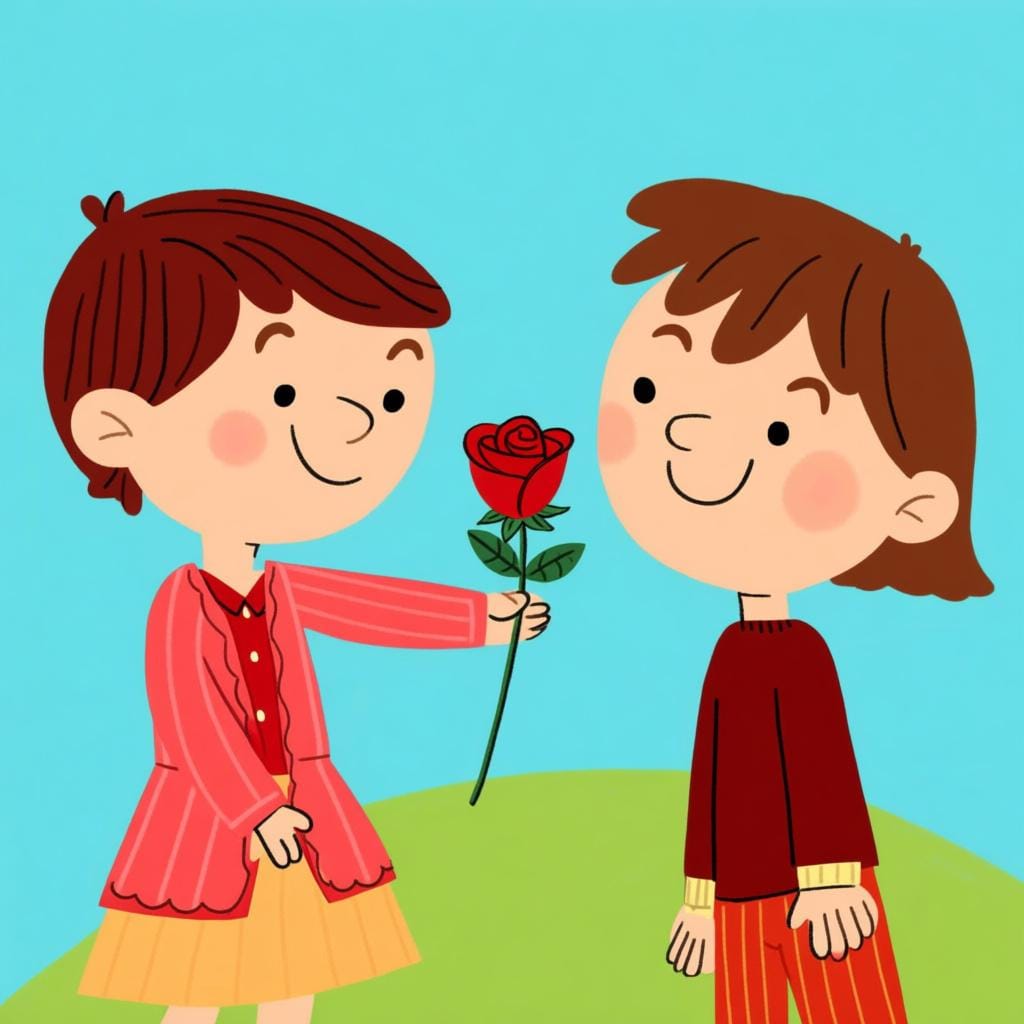
No me gusta el trato que me da tu hermano.
I don't like the way your brother treats me.
Es una persona de trato fácil y agradable.
He is an easy-going and pleasant person (to deal with).
`trato` vs. `tratamiento`
Mistake: “Quiero un trato para mi dolor de espalda.”
Correction: Quiero un tratamiento para mi dolor de espalda. 'Trato' is for how people interact with each other. 'Tratamiento' is for medical procedures, processes, or therapies.
suerte
SWER-tehˈsweɾ.te

Examples
De esta suerte, conseguimos resolver el conflicto pacíficamente.
In this manner, we managed to resolve the conflict peacefully.
El autor describe toda suerte de personajes en su novela.
The author describes all sorts of characters in his novel.
traza
TRAH-sahˈtɾaθa

Examples
Ese proyecto tiene buena traza.
That project looks promising (has a good look).
Llevaba traza de estar muy cansado.
He had the appearance of being very tired.
No me gusta la traza de ese desconocido.
I don't like the look of that stranger.
Using 'Traza' for Impressions
Use 'traza' with the verb 'tener' (to have) to describe the initial impression something gives you, similar to 'looks like' in English.
Gender agreement
This word is always feminine ('la traza'), even if you are describing a man or a masculine object.
Traza vs. Taza
Mistake: “Me gusta la taza de este edificio.”
Correction: Me gusta la traza de este edificio.
Confusing 'Manera', 'Forma', and 'Estilo'
Related Translations
Learn Spanish with Inklingo
Interactive stories, personalized learning, and more.