How to Say "method" in Spanish
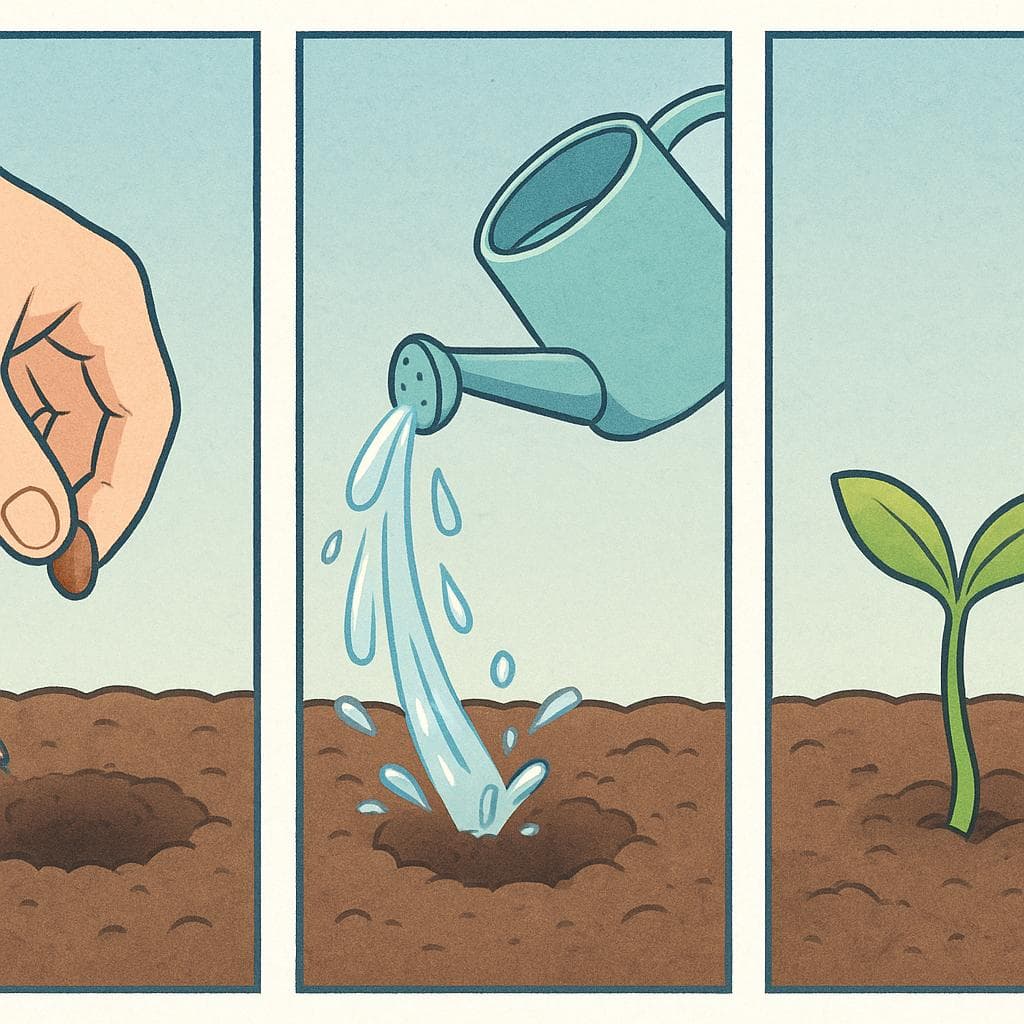
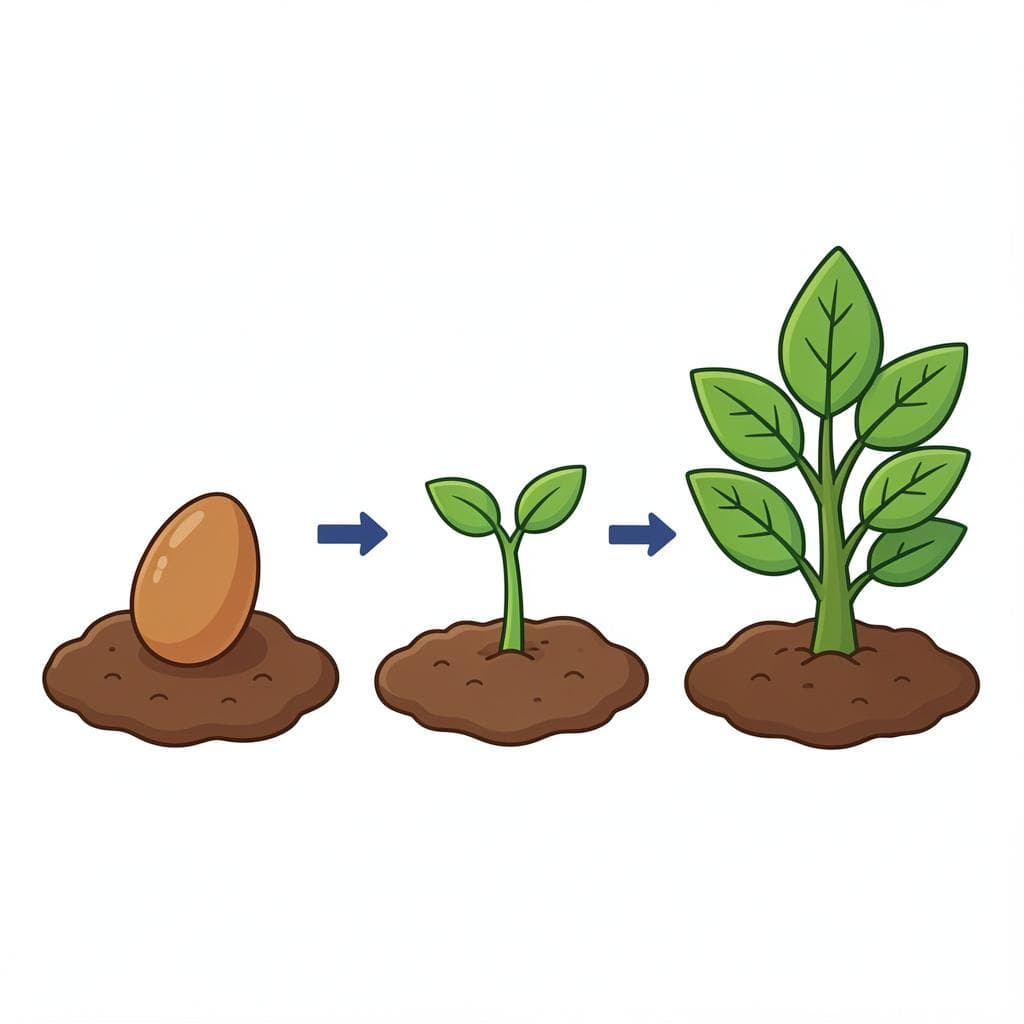
The most common Spanish word for “method” is “método” — use 'método' when referring to a systematic or established procedure for doing something, especially in academic, scientific, or professional contexts.






método
Examples
Necesitamos un nuevo método para organizar los archivos.
We need a new method for organizing the files.
manera
ma-NEH-ramaˈneɾa

Examples
Me gusta la manera en que explicas las cosas.
I like the way you explain things.
Hay dos maneras de llegar al aeropuerto.
There are two ways to get to the airport.
Lo saludó de una manera muy amable.
She greeted him in a very kind manner.
Describing How: 'de manera' + Adjective
A super common pattern is 'de manera' followed by a describing word (adjective) to say how something is done. For example, 'de manera rápida' (quickly), 'de manera eficiente' (efficiently). It works just like adding '-ly' in English.
Forgetting 'de'
Mistake: “Habló manera clara.”
Correction: Habló de manera clara. To say 'in a... way', you almost always need the little word 'de' before 'manera'.
modo
moh-dohˈmo.ðo

Examples
Me gusta tu modo de ser.
I like your way of being.
Hazlo de este modo y será más fácil.
Do it this way and it will be easier.
De todos modos, gracias por tu ayuda.
Anyway, thanks for your help.
Using 'anyway'
Mistake: “Sometimes learners try to translate 'anyway' word-for-word. For example, *'Cualquier modo, gracias.'*”
Correction: The correct set phrase is 'de todos modos'. For example, 'De todos modos, gracias'. Think of it as a single chunk of vocabulary that means 'anyway' or 'in any case'.
forma
for-mahˈfoɾma

Examples
Hay muchas formas de aprender español.
There are many ways to learn Spanish.
No me gusta la forma en que me habló.
I don't like the way he spoke to me.
De esta forma, terminaremos más rápido.
In this way, we will finish faster.
'Forma' vs. 'Camino'
Mistake: “Quiero encontrar una forma a la ciudad.”
Correction: Quiero encontrar un camino a la ciudad. Use 'forma' for a method or manner, but use 'camino' for a physical path or road.
proceso
proh-SEH-sohpɾoˈse.so
Examples
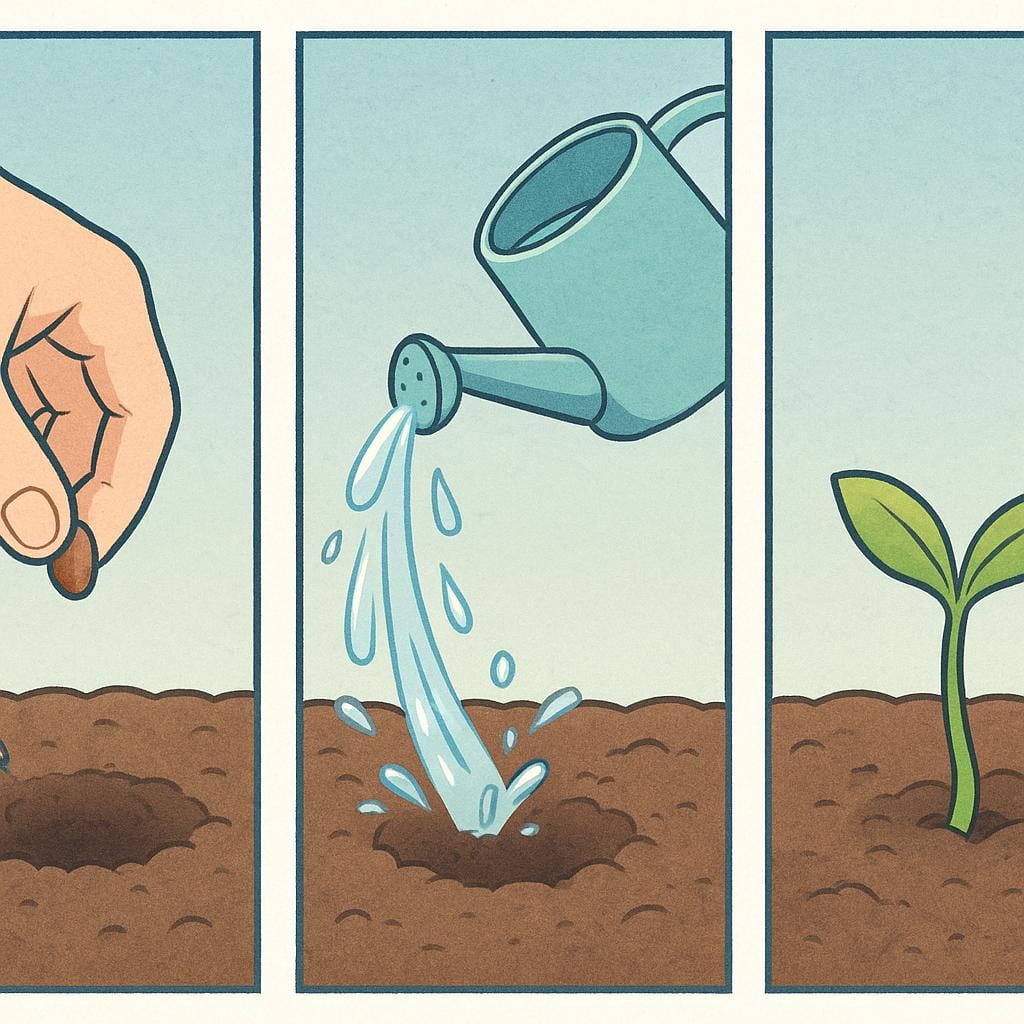
El proceso de aprendizaje es diferente para cada persona.
The learning process is different for every person.
Necesitamos seguir el proceso correcto para solicitar la visa.
We need to follow the correct procedure to apply for the visa.
¿Puedes explicar el proceso de producción?
Can you explain the production process?
Masculine Noun Rule
Even though it ends in '-o', remember that 'proceso' is a masculine word, so it always takes masculine articles (el proceso, un proceso).
técnica
Examples
Necesitas practicar la técnica de respiración para cantar bien.
You need to practice the breathing technique to sing well.
sistema
sees-TEH-mahsisˈtema

Examples
El sistema solar tiene ocho planetas.
The solar system has eight planets.
Necesitamos mejorar el sistema de transporte público.
We need to improve the public transportation system.
Mi sistema para estudiar es muy efectivo.
My study system is very effective.
It's Masculine!
Even though it ends in '-a,' 'sistema' is a masculine noun. So you say 'el sistema' and 'un sistema'.
Plural is Easy
To make it plural, just add an '-s': 'los sistemas'.
Don't Let the '-a' Fool You
Mistake: “La sistema es complicada.”
Correction: El sistema es complicado. Remember, it's a masculine noun, so it uses masculine articles and adjectives.
procedimiento
proh-seh-dee-myén-tohpɾo.θe.ðiˈmjen.to

Examples
Debes seguir el procedimiento de seguridad al pie de la letra.
You must follow the safety procedure exactly.
El procedimiento para solicitar la visa es muy complicado.
The process for applying for the visa is very complicated.
¿Cuál es el procedimiento habitual para encender esta máquina?
What is the usual method for turning on this machine?
Gender Check
Since 'procedimiento' ends in -o, remember it is a masculine noun. Always use 'el', 'un', or masculine descriptive words (adjectives) with it.
Confusing Noun and Verb
Mistake: “Using 'procedimiento' when you mean the verb 'to proceed' or 'to continue' ('proceder').”
Correction: Use 'procedimiento' only for the set of steps (the noun). Use 'proceder' for the action: 'Podemos proceder con el plan' (We can proceed with the plan).
modalidad
mo-dah-lee-DAHDmo.ða.liˈðað

Examples
La modalidad de teletrabajo es muy cómoda para mí.
The remote work mode is very convenient for me.
Debes seleccionar una modalidad de pago antes de finalizar.
You must select a payment method before finishing.
Este curso se ofrece en modalidad presencial y virtual.
This course is offered in in-person and virtual formats.
The '-dad' Rule
Words that end in '-dad' in Spanish are almost always feminine. This means you should always use 'la' or 'una' with them.
Feminine Matching
Because 'modalidad' is feminine, any word describing it must also be feminine. For example: 'modalidad nueva' (new mode).
Using the wrong gender
Mistake: “el modalidad”
Correction: la modalidad (because words ending in -dad are feminine).
fórmula
Examples
Su fórmula para el éxito es trabajo duro y disciplina.
His formula for success is hard work and discipline.
mecanismo
meh-kah-NEES-mohme.ka.ˈnis.mo
Examples
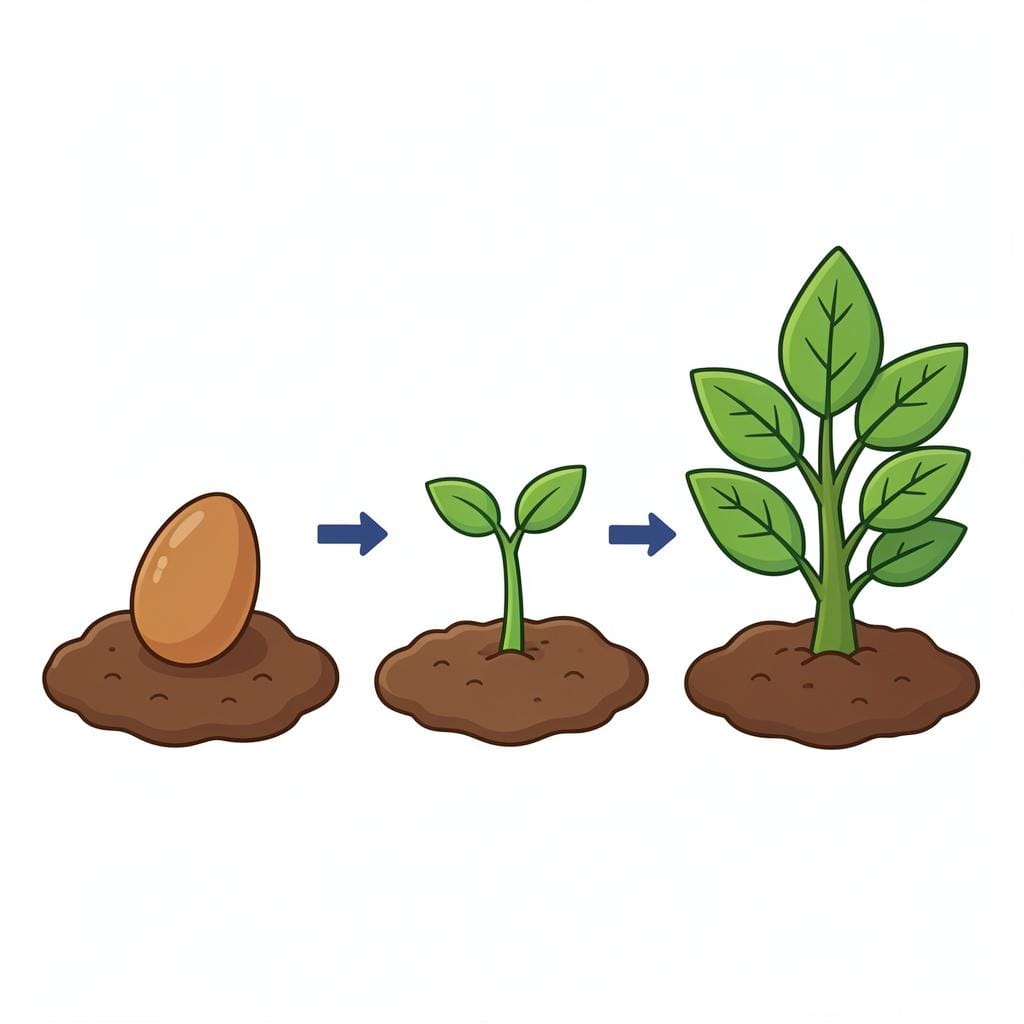
Necesitamos un mecanismo para resolver conflictos.
We need a mechanism/process for resolving conflicts.
El cerebro tiene mecanismos de defensa naturales.
The brain has natural defense mechanisms.
Abstract Use
Just like in English, you can use this word for things you can't touch, like a political system or a mental habit.
Manera vs. Método
Learn Spanish with Inklingo
Interactive stories, personalized learning, and more.