How to Say "mood" in Spanish
The most common Spanish word for “mood” is “ánimo” — use 'ánimo' when referring to your general feeling, spirit, or energy level, often implying a lack of motivation or enthusiasm for an activity.

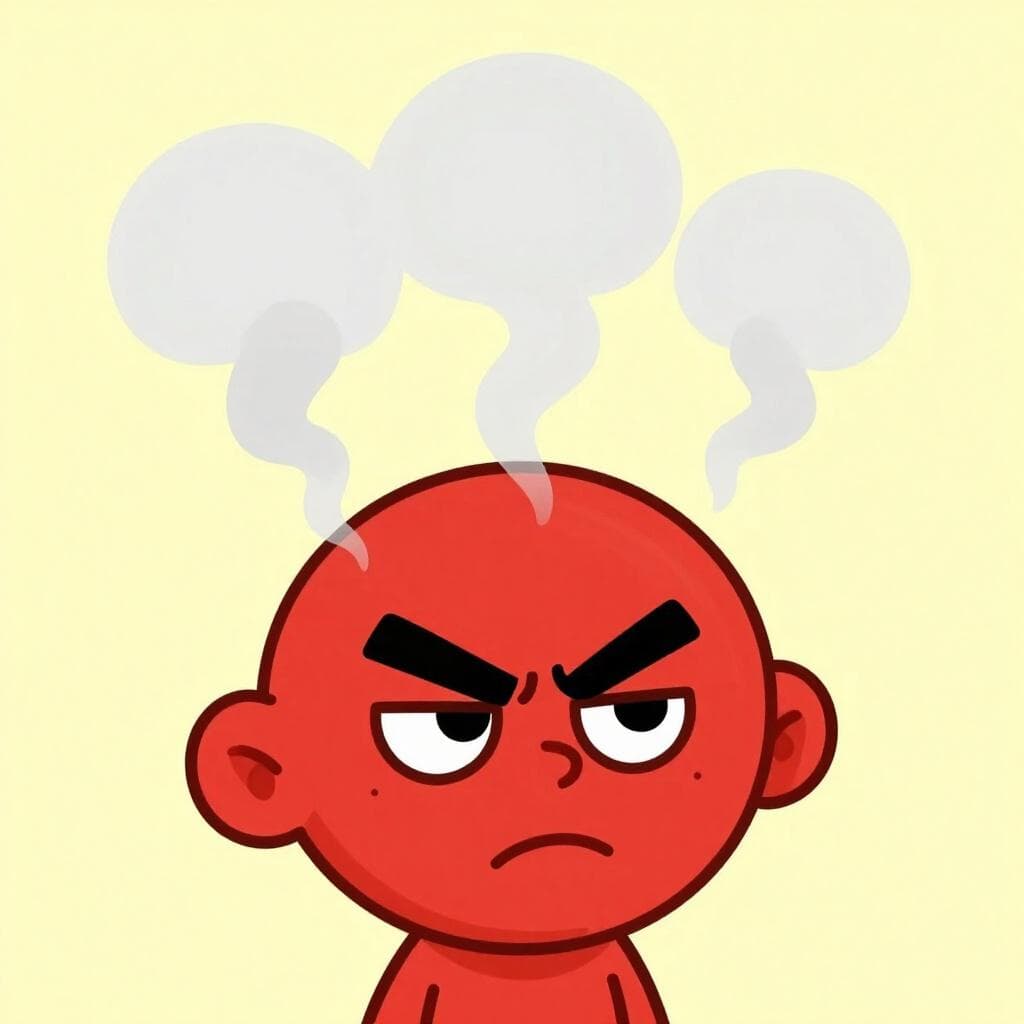



ánimo
Examples
No tengo mucho ánimo para ir a trabajar hoy.
I don't have much spirit/energy to go to work today.
humor
oo-MOHRuˈmoɾ

Examples
Hoy estoy de muy mal humor porque perdí mi cartera.
Today I am in a very bad mood because I lost my wallet.
Después de la siesta, se puso de buen humor.
After the nap, he got into a good mood.
Using ESTAR for Moods
To talk about someone's current mood (which can change!), always use the verb 'estar', never 'ser'. For example, 'Estoy de mal humor' (I am in a bad mood).
SER vs. ESTAR
Mistake: “Soy de buen humor.”
Correction: Estoy de buen humor. (The mistake is using 'ser' which implies being permanently good-humored, instead of 'estar' for a current, changeable feeling.)
genio
HEH-nee-ohˈxe.njo

Examples
Tiene muy mal genio por las mañanas.
He has a very bad temper in the mornings.
Hoy mi jefe está de buen genio, ¡aprovecha!
My boss is in a good mood today, take advantage of it!
No le digas nada, está de mal genio.
Don't tell him anything, he's in a bad temper/mood.
Expressing Mood
When talking about someone's current mood or state, use 'estar de buen/mal genio'. When talking about their permanent personality trait, use 'tener buen/mal genio'.
Confusing 'Ser' and 'Tener'
Mistake: “Using 'Él es mal genio.'”
Correction: Say 'Él tiene mal genio.' (He has a bad temper). 'Ser' is used for permanent qualities, but 'tener' (to have) is used for possessing a temper.
onda
OHN-dahˈon.da

Examples
El café tiene una onda muy relajada y acogedora.
The coffee shop has a very relaxed and cozy vibe.
¡Qué buena onda eres! Siempre me ayudas.
You're so cool/kind! You always help me.
¡Hola, amigo! ¿Qué onda?
Hey, friend! What's up?
Using 'Onda' as a compliment
When you say someone 'tiene buena onda' or 'es buena onda,' you are saying they are a good, kind, or cool person. It's a very high compliment in informal settings.
Using 'Onda' formally
Mistake: “Using 'onda' in a professional email or formal speech.”
Correction: Always keep 'onda' for casual, friendly conversations. For formal settings, use 'ambiente' (atmosphere) or 'actitud' (attitude).
tono
TOH-nohˈtono

Examples
No me gusta el tono agresivo con el que me hablaste.
I don't like the aggressive tone you spoke to me with.
El artículo tenía un tono muy formal y serio.
The article had a very formal and serious tone.
Por favor, baja el tono; estamos en una biblioteca.
Please lower your voice/calm your tone; we are in a library.
Using 'Tono' for Emotion
Mistake: “Using 'Tono' to mean 'mood' in the emotional sense (e.g., 'Estoy en un mal tono').”
Correction: Use 'estado de ánimo' or 'humor' instead. 'Tono' refers to the *expression* of the mood, not the mood itself.
disposición
Examples
Ella siempre muestra buena disposición para aprender cosas nuevas.
She always shows good willingness to learn new things.
vena
BEH-nahˈbe.na

Examples
Tiene una vena artística muy fuerte.
He has a very strong artistic streak.
De repente le dio la vena de limpiar toda la casa.
Suddenly he got into a mood to clean the whole house.
Esa vena rebelde le viene de su abuelo.
That rebellious streak comes from her grandfather.
Using 'Dar'
When talking about a sudden mood, we use the verb 'dar' (to give): 'Me dio la vena' (I suddenly felt like).
Not just for blood
Mistake: “Thinking 'vena' only refers to medicine.”
Correction: In Spanish, 'vena' is a very common way to describe a person's character or a hidden talent.
modo
moh-dohˈmo.ðo
Examples
En español, el modo subjuntivo se usa mucho.
In Spanish, the subjunctive mood is used a lot.
La profesora explicó los tres modos del verbo: indicativo, subjuntivo e imperativo.
The teacher explained the three moods of the verb: indicative, subjunctive, and imperative.
What is a grammatical 'mood'?
Think of a verb's 'mood' as its attitude or purpose. The indicative mood states facts ('It is raining'). The subjunctive mood expresses feelings, doubts, or wishes ('I hope it rains'). The imperative mood gives commands ('Rain!'). 'Modo' is just the name for this concept.
Confusing with 'Humor'
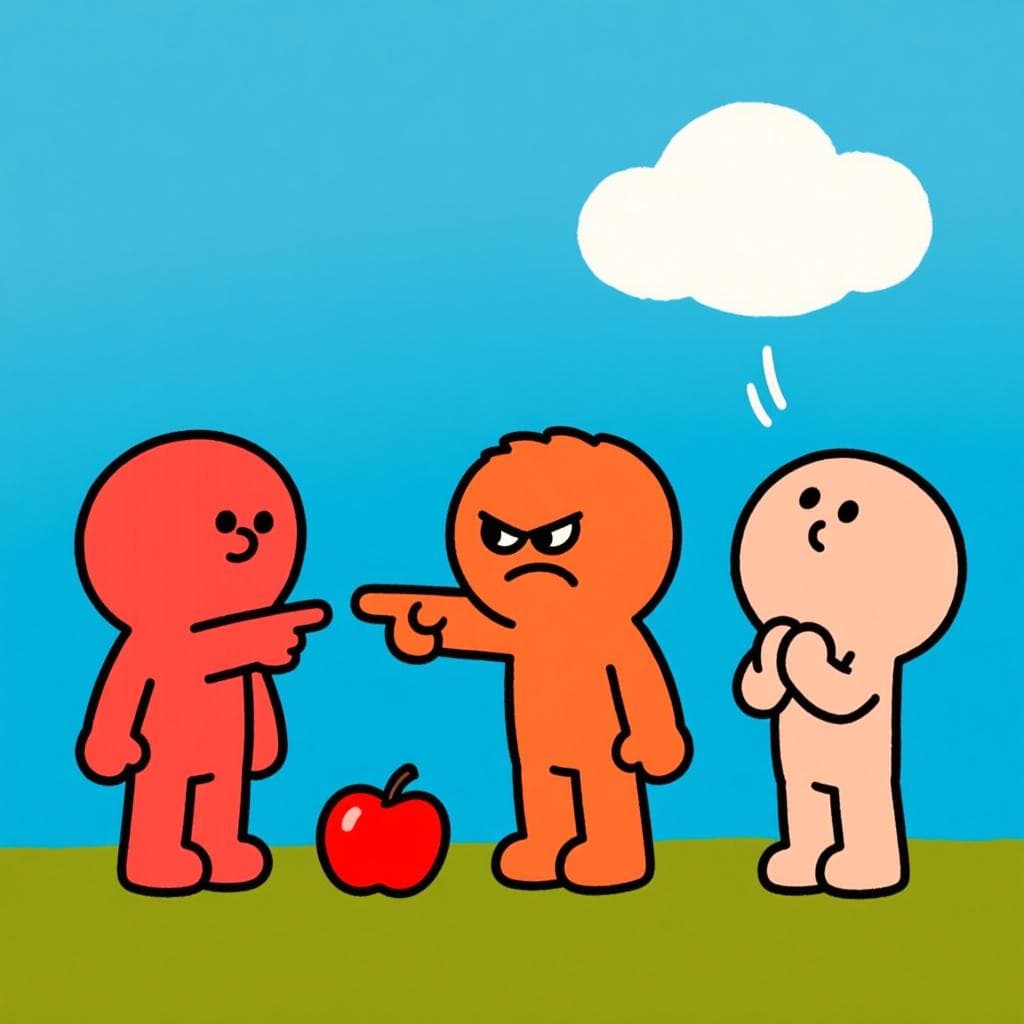
Mistake: “Don't confuse the grammatical 'modo' with a person's mood (how they feel). For a person's mood, you'd use 'humor' or 'estado de ánimo'. 'Estoy de mal humor' (I'm in a bad mood).”
Correction: Use 'modo' only when talking about grammar. For feelings, use 'humor' or 'estado de ánimo'.
Mood vs. Temper vs. Vibe
Related Translations
Learn Spanish with Inklingo
Interactive stories, personalized learning, and more.