metes
“metes” means “you put in” in Spanish. It has 3 different meanings depending on context:


you put in, you insert
Also: you stick, you place
📝 In Action
¿Dónde metes las llaves cuando llegas a casa?
A2Where do you put the keys when you get home?
Siempre metes mucha azúcar en tu café.
A2You always put a lot of sugar in your coffee.
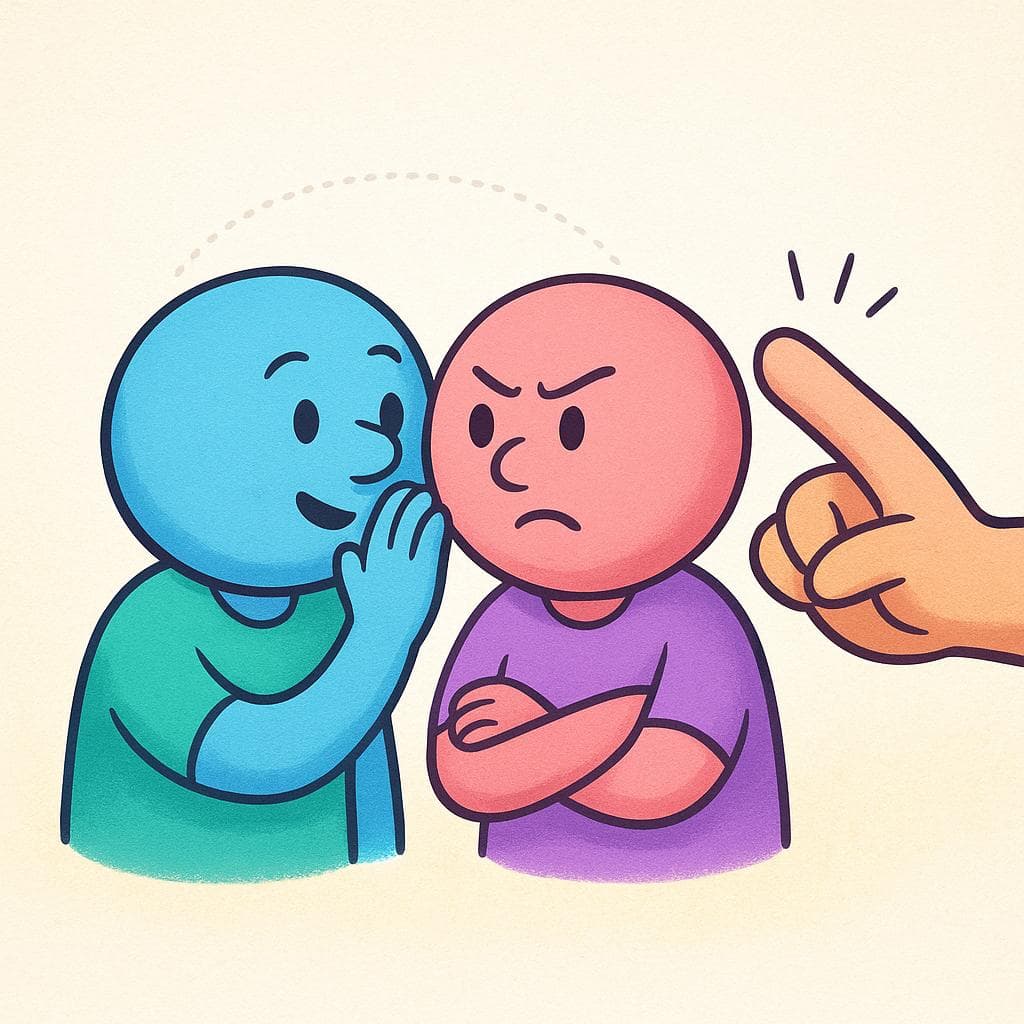
you interfere, you get involved
Also: you cause trouble
📝 In Action
Si metes a tu hermano en esto, la situación empeorará.
B1If you involve your brother in this, the situation will get worse.
No metes cizaña entre mis amigos.
C1Don't sow discord among my friends. (Literally: You don't put weeds between my friends.)

you score
Also: you net
📝 In Action
¡Si metes ese gol, ganamos la liga!
B2If you score that goal, we win the league!
Cada vez que metes un tiro libre, el público grita.
B2Every time you make a free throw, the crowd screams.
Indicative
Present
Imperfect
Preterite
Subjunctive
Present Subjunctive
Imperfect Subjunctive
Translate to Spanish
✏️ Quick Practice
Quick Quiz: metes
Question 1 of 1
Which sentence correctly uses 'metes' in its figurative sense of interfering?
📚 More Resources
👥 Word Family▼
🎵 Rhymes▼
📚 Etymology▼
From the Latin verb *mittere* (to send, throw, or put). Over time, the meaning shifted slightly in Spanish to focus strongly on the action of placing something 'inside' or 'into' a space.
First recorded: Around the 13th century
Cognates (Related words)
💡 Master Spanish
Take your Spanish to the next level. Read 200+ illustrated and narrated Spanish stories tailored to your level with the Inklingo app!
Frequently Asked Questions
Is 'metes' the same as 'metas'?
No. 'Metes' is the informal 'you' form in the simple present tense (Indicative mood), used for facts and routines ('You put'). 'Metas' is the informal 'you' form in the Subjunctive mood, used for wishes, doubts, and indirect commands ('I hope that you put').
How do I use 'meter' to talk about scoring a goal?
You use 'meter' just like the literal meaning. For example, 'meter un gol' (to put in a goal). This is much more common than using the verb 'anotar' (to note down/score) in casual speech.