metrópoli
“metrópoli” means “metropolis” in Spanish. It has 2 different meanings depending on context:

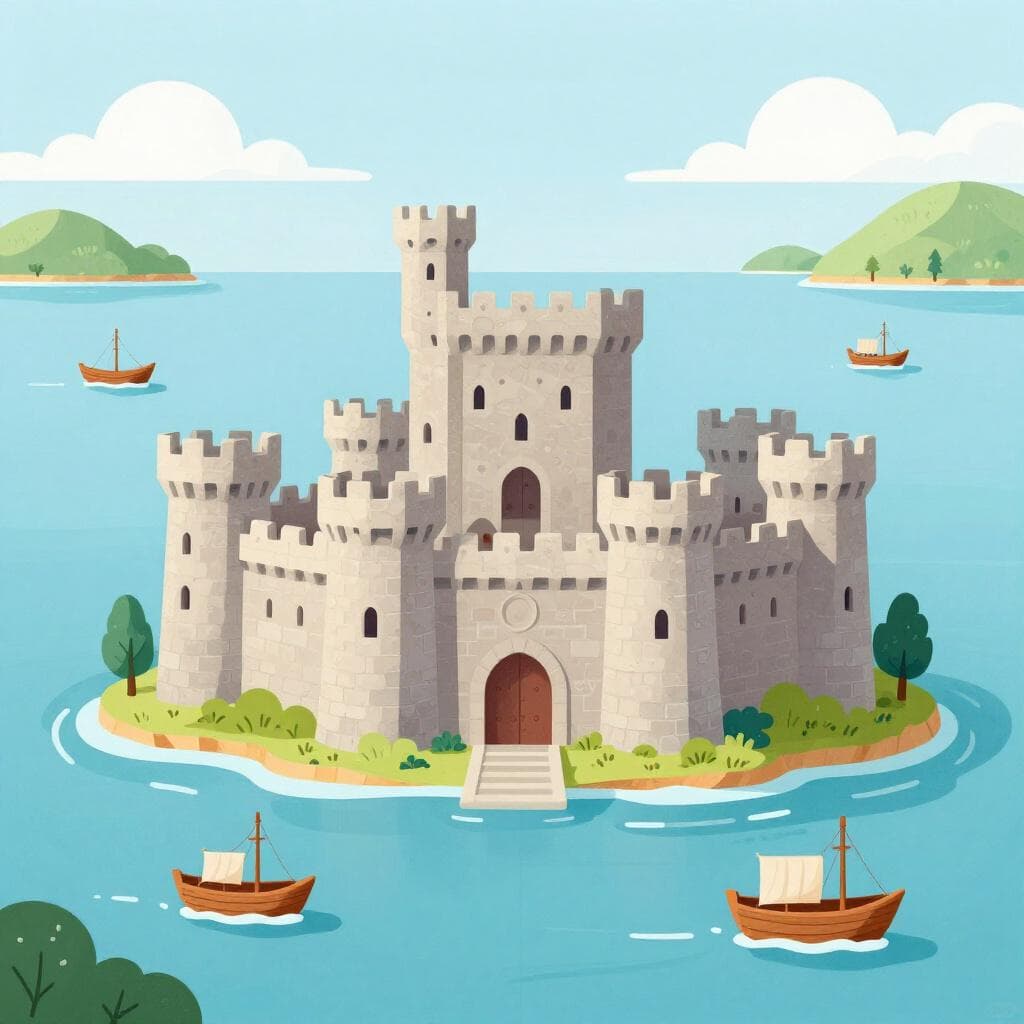
metropolisAlso: large city

📝 In Action
Tokio es una metrópoli fascinante con millones de habitantes.
B1Tokyo is a fascinating metropolis with millions of inhabitants.
Vivir en la metrópoli ofrece muchas oportunidades laborales.
B2Living in the metropolis offers many job opportunities.
El transporte público es esencial en una gran metrópoli.
A2Public transportation is essential in a large metropolis.
Word Connections
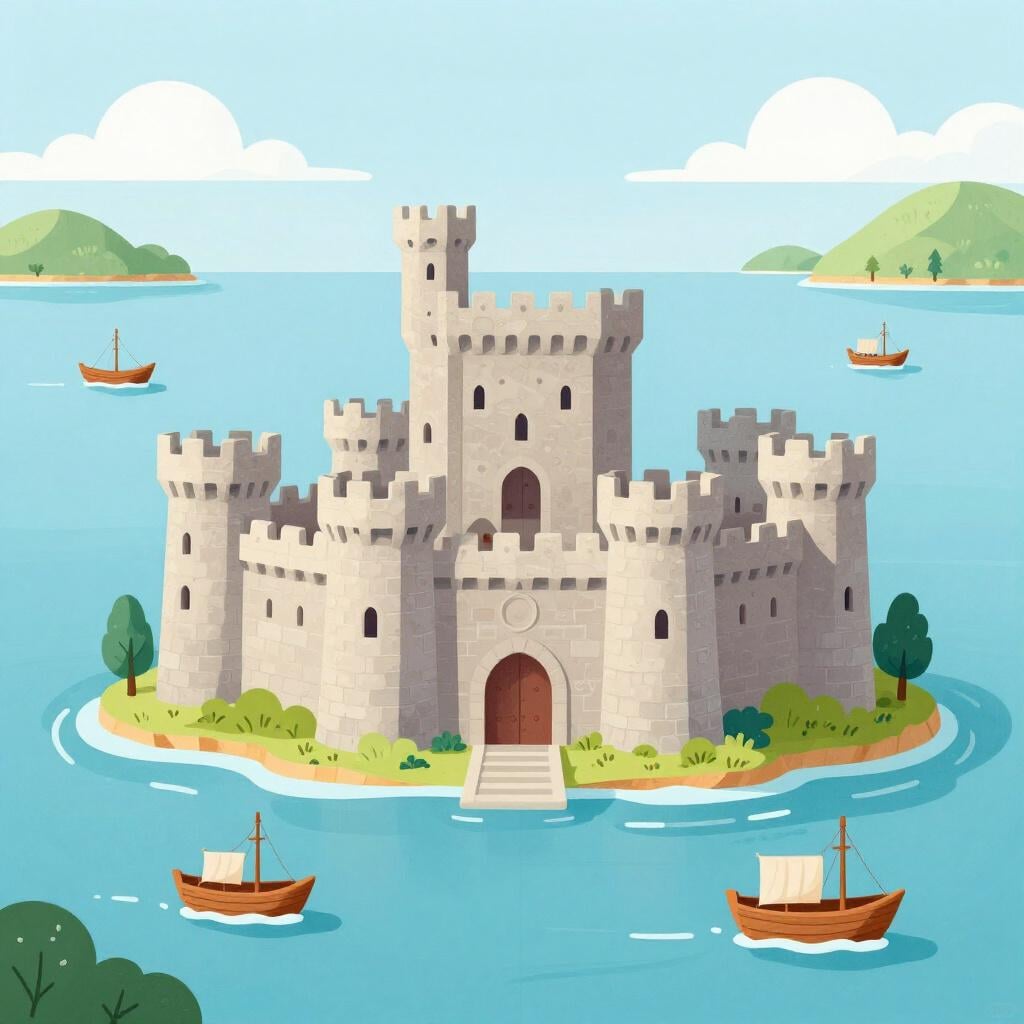
mother cityAlso: parent state
📝 In Action
Las noticias tardaban meses en llegar desde la metrópoli a las colonias.
C1News took months to arrive from the mother city to the colonies.
Word Connections
Translate to Spanish
Words that translate to "metrópoli" in Spanish:
✏️ Quick Practice
Quick Quiz: metrópoli
Question 1 of 3
What is the gender of 'metrópoli'?
📚 More Resources
👥 Word Family
🎵 Rhymes
📚 Etymology
From Ancient Greek 'mētropolis', which literally means 'mother city' (mētēr 'mother' + polis 'city').
First recorded: 15th century
Cognates (Related words)
💡 Master Spanish
Take your Spanish to the next level. Read 200+ illustrated and narrated Spanish stories tailored to your level with the Inklingo app!
Frequently Asked Questions
Does 'metrópoli' always have an accent?
Yes, it has a written accent on the 'o' because the stress falls on the third-to-last syllable.
Is 'metrópoli' the same as 'ciudad'?
Not quite. While all metropolises are cities, not all cities are metropolises. A 'metrópoli' is much larger and usually has more political and economic power.
Why is the plural 'metrópolis'?
Spanish words ending in stressed vowels or specific consonants follow different plural rules, but this one simply adopts the 's' which is consistent with its Greek origins.