muscular
“muscular” means “muscular” in Spanish. It has 2 different meanings depending on context:
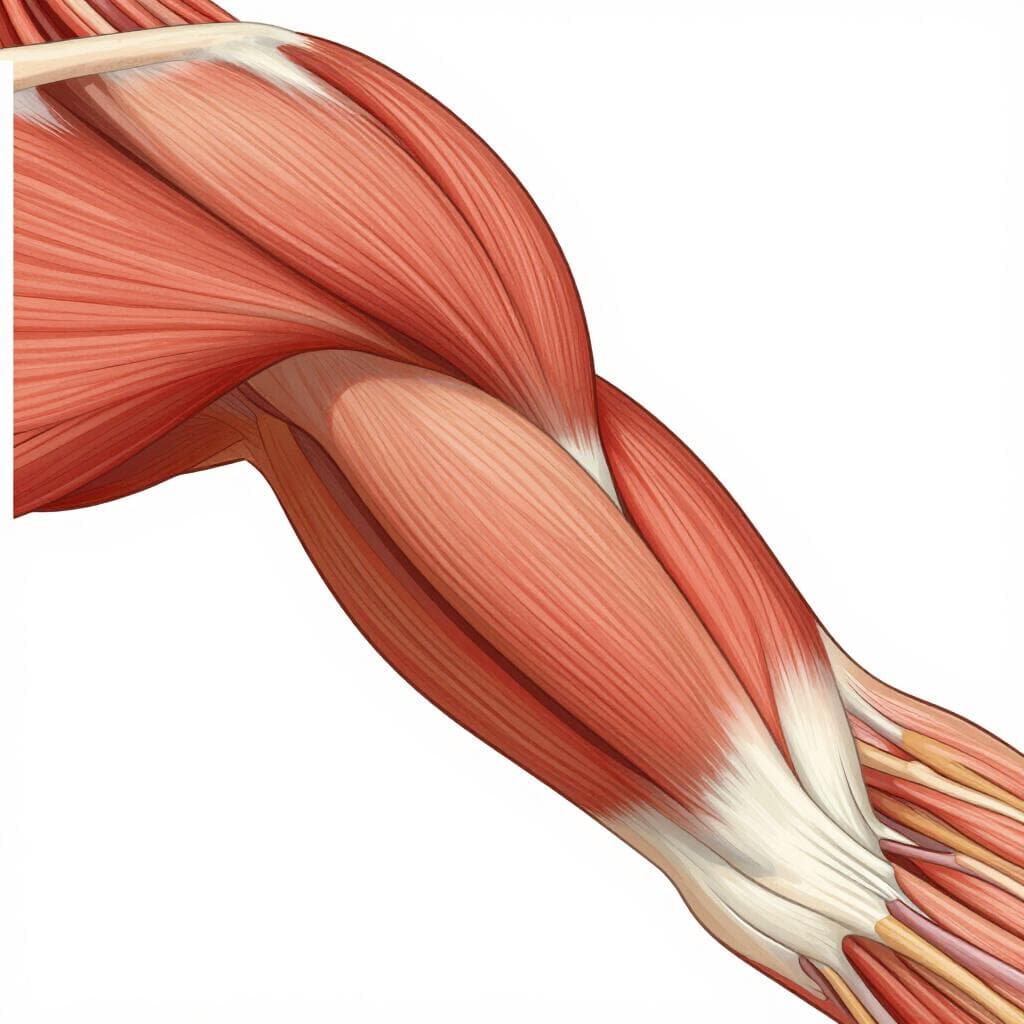
muscular
Also: muscle-related
📝 In Action
Tengo un dolor muscular después de correr.
A1I have muscle pain after running.
La masa muscular es importante para la salud.
B1Muscle mass is important for health.
El sistema muscular nos permite movernos.
B2The muscular system allows us to move.
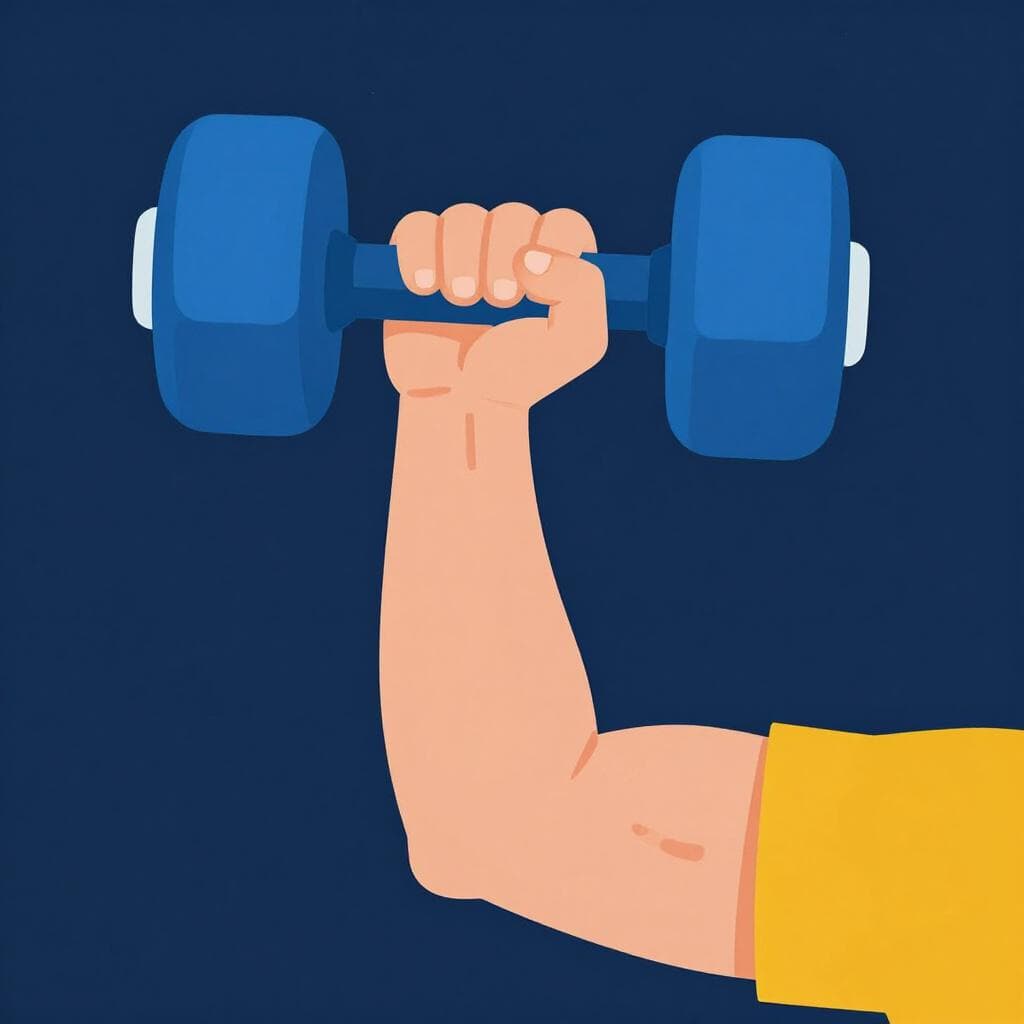
to build muscle
Also: to tone up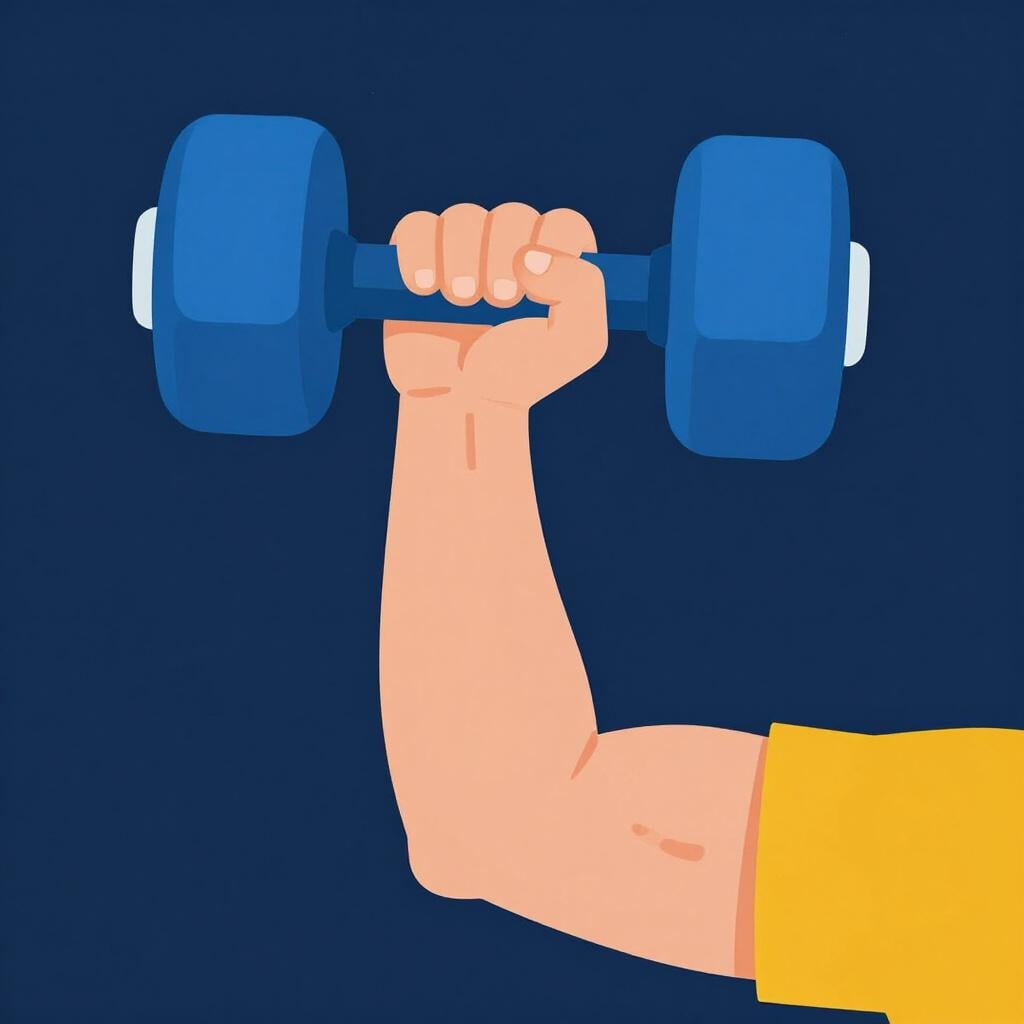
📝 In Action
Él va al gimnasio para muscular las piernas.
B1He goes to the gym to build muscle in his legs.
Es difícil muscular sin comer suficiente proteína.
B2It is difficult to build muscle without eating enough protein.
Se ha musculado mucho este verano.
C1He has gotten very buff this summer.
Subjunctive
Imperfect Subjunctive
Present Subjunctive
Indicative
Preterite
Imperfect
Present
Translate to Spanish
✏️ Quick Practice
Quick Quiz: muscular
Question 1 of 3
If you want to say someone has a very athletic, 'buff' body, which word is BEST?
📚 More Resources
👥 Word Family▼
📚 Etymology▼
From the Latin 'musculus', which literally means 'little mouse.' Ancient people thought that a muscle moving under the skin looked like a small mouse running around.
First recorded: 15th century
Cognates (Related words)
💡 Master Spanish
Take your Spanish to the next level. Read 200+ illustrated and narrated Spanish stories tailored to your level with the Inklingo app!
Frequently Asked Questions
What is the difference between 'muscular' and 'musculoso'?
Think of 'muscular' as a medical or technical term (muscle-related), while 'musculoso' is a descriptive term for a person (buff/strong).
Does 'muscular' change for feminine nouns?
No! It stays the same for both. You say 'un tejido muscular' (masculine) and 'una fibra muscular' (feminine).
Is 'muscular' used for animals too?
Yes, it can describe the anatomy or the action of building muscle in animals, just like in humans.