nata
“nata” means “cream” in Spanish. It has 2 different meanings depending on context:


cream
Also: skin
📝 In Action
¿Prefieres el café solo o con un poco de nata?
A1Do you prefer black coffee or with a bit of cream?
Esta tarta de fresas tiene mucha nata montada.
A2This strawberry cake has a lot of whipped cream.
Quita la nata de la leche antes de beberla.
B1Take the skin off the milk before drinking it.
cream of the crop
Also: elite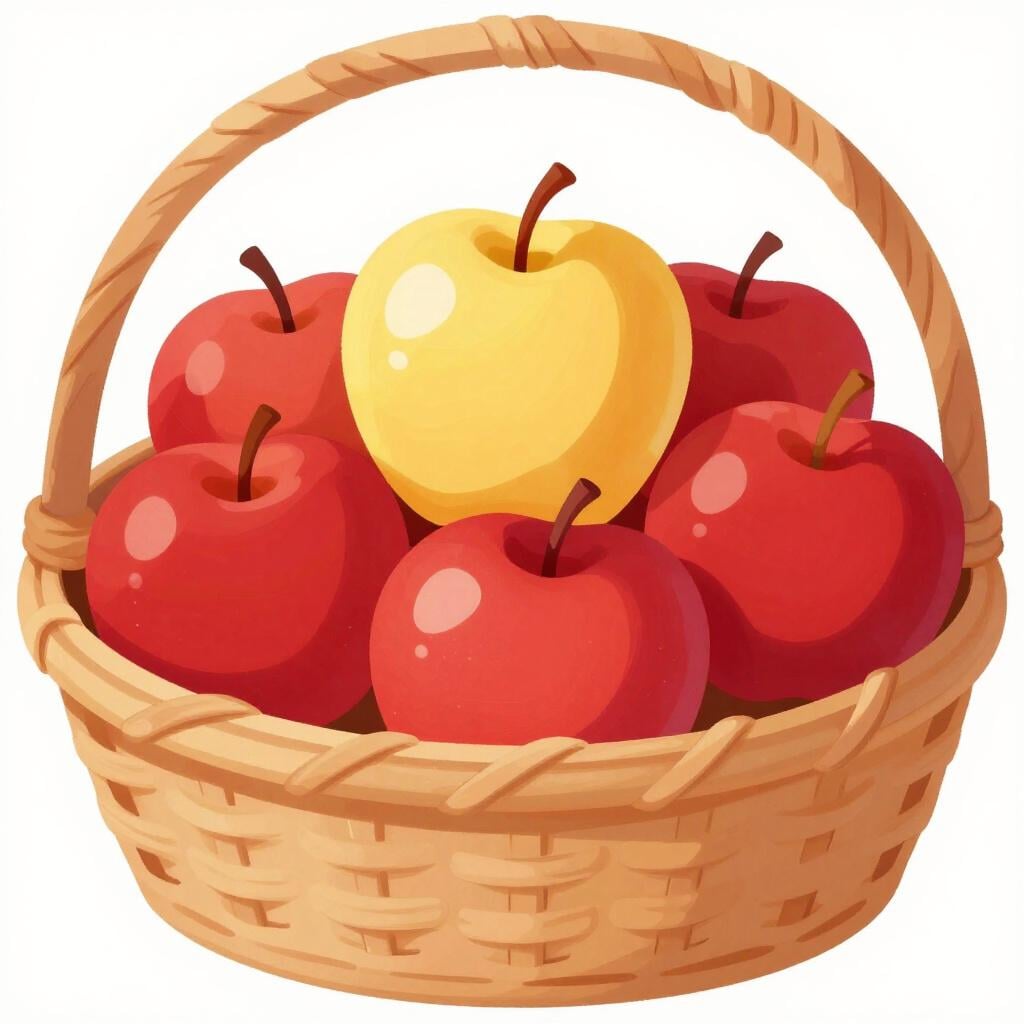
📝 In Action
A la gala asistió la nata de la sociedad.
B2The elite of society attended the gala.
Estos estudiantes son la crema y nata de la universidad.
C1These students are the cream of the crop of the university.
✏️ Quick Practice
Quick Quiz: nata
Question 1 of 3
If you want to buy heavy cream to make a sauce in Spain, what should you look for?
📚 More Resources
👥 Word Family▼
📚 Etymology▼
From the Latin word 'nata,' which is the feminine form of 'natus' (born). It refers to the layer that is 'born' or appears on the surface of milk.
First recorded: 13th century
Cognates (Related words)
💡 Master Spanish
Take your Spanish to the next level. Read 200+ illustrated and narrated Spanish stories tailored to your level with the Inklingo app!
Frequently Asked Questions
Is 'nata' the same as 'crema'?
In Spain, 'nata' is dairy cream (for coffee/desserts), while 'crema' usually refers to thick vegetable soups or pastry custard. In Latin America, 'crema' is the more common word for dairy cream.
How do I say 'whipped cream'?
You say 'nata montada' (literally 'mounted cream').
What is 'leche desnatada'?
It is 'skimmed milk' or 'fat-free milk,' meaning the 'nata' (cream) has been removed.