How to Say "skin" in Spanish
The most common Spanish word for “skin” is “piel” — use 'piel' for the general outer covering of a person or animal's body, especially when discussing health, appearance, or protection.
piel
pyehlpjel
Examples
Debes proteger tu piel del sol en verano.
You must protect your skin from the sun in summer.
El doctor revisó la piel para ver si había alguna alergia.
The doctor checked the skin to see if there was any allergy.
Se me puso la piel de gallina cuando escuché esa canción.
I got goosebumps when I heard that song. (Literally: My skin became chicken skin)
Use of the Article 'La'
When talking about your own body parts, Spanish often uses the definite article ('la' or 'el') instead of the possessive word ('mi' or 'tu'). Say 'Me piqué la piel' (I pricked my skin), not 'mi piel'.
cuero
KWEH-rohˈkweɾo
Examples
Me pica el cuero después de la picadura del mosquito.
My skin is itchy after the mosquito bite.
Se jugó el cuero por su familia.
He risked his neck (life) for his family.
pellejo
peh-YEH-hopeˈʎexo
Examples
No me gusta comer el pellejo del pollo.
I don't like eating the chicken skin.
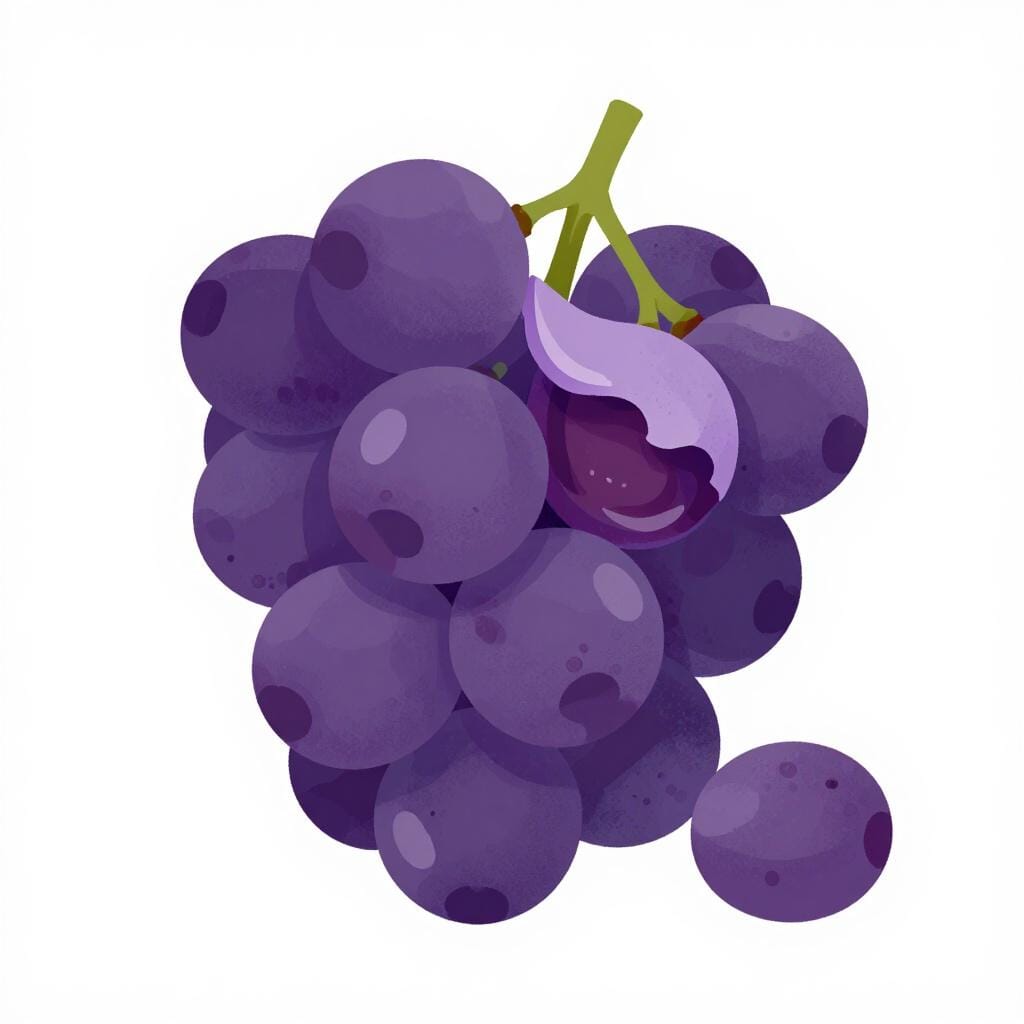
Las uvas tienen un pellejo muy fino.
The grapes have a very thin skin.
Después de adelgazar mucho, le quedó algo de pellejo.
After losing a lot of weight, he had some loose skin left over.
Pellejo vs. Piel
While both mean 'skin,' use 'piel' for healthy living human skin. Use 'pellejo' for skin that is detached, loose, or on fruits and animals.
Don't use it for compliments
Mistake: “Tienes un pellejo muy bonito.”
Correction: Say 'Tienes una piel muy bonita.' Calling someone's skin 'pellejo' suggests it is loose, old, or like animal hide.
nata
nah-tahˈnata

Examples
¿Prefieres el café solo o con un poco de nata?
Do you prefer black coffee or with a bit of cream?
Esta tarta de fresas tiene mucha nata montada.
This strawberry cake has a lot of whipped cream.
Quita la nata de la leche antes de beberla.
Take the skin off the milk before drinking it.
Using 'Nata' as a 'Mass' Noun
Just like the word 'water' or 'sand,' we usually treat 'nata' as a single mass of stuff. You rarely make it plural unless you are talking about different types of cream.
Cream vs. Custard
Mistake: “Using 'nata' to describe the yellow filling in a donut.”
Correction: Use 'crema' or 'crema pastelera' for yellow pastry custard. 'Nata' is specifically the white dairy cream.
película
Examples
Una fina película de polvo cubría los muebles.
A thin film of dust covered the furniture.
General vs. Specific Skin
Related Translations
Learn Spanish with Inklingo
Interactive stories, personalized learning, and more.