How to Say "leather" in Spanish
The most common Spanish word for “leather” is “cuero” — use 'cuero' for the general material of leather, especially for common items like shoes, bags, or furniture, and when the origin of the skin isn't emphasized.
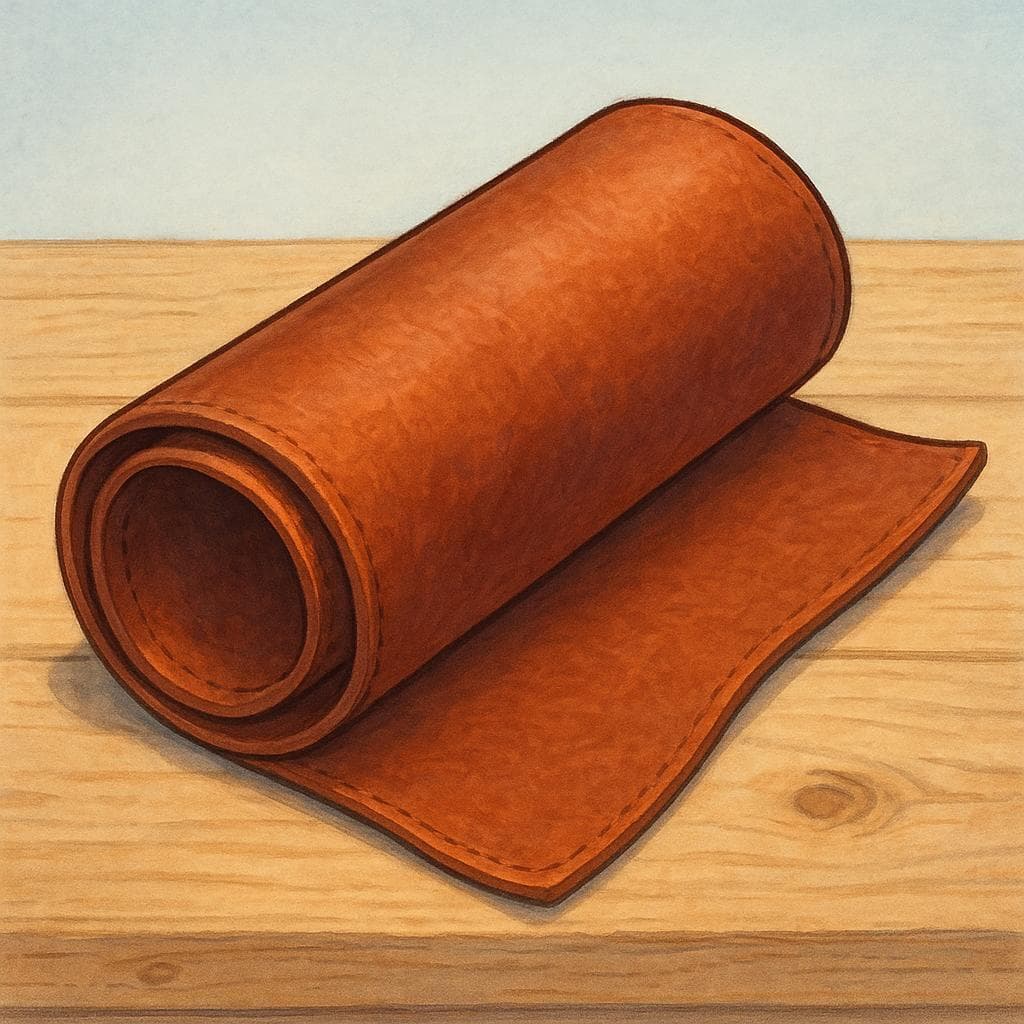

cuero
KWEH-rohˈkweɾo
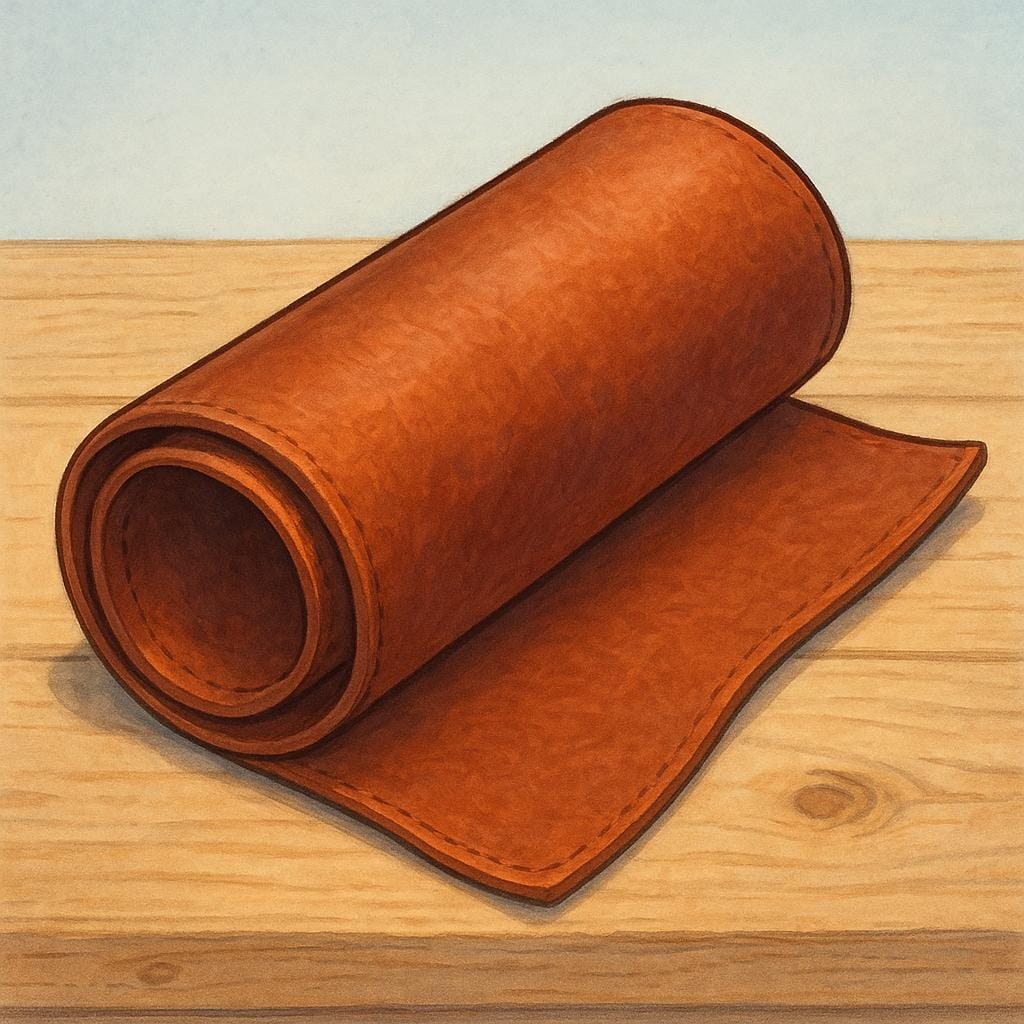
Examples
Compramos unos zapatos de cuero negro muy elegantes.
We bought some very elegant black leather shoes.
El cinturón de cuero se rompió después de muchos años de uso.
The leather belt broke after many years of use.
piel
pyehlpjel

Examples
Las botas de piel son muy duraderas, pero caras.
Leather boots are very durable, but expensive.
Prefiero los muebles de piel sintética.
I prefer synthetic leather furniture.
Piel vs. Cuero
Mistake: “Using 'piel' when referring specifically to tough, heavy leather.”
Correction: 'Piel' often implies a softer or finer quality of leather, or simply the raw hide. If you mean thick, rough material (like for saddles or belts), 'cuero' is a better choice.
Cuero vs. Piel
Related Translations
Learn Spanish with Inklingo
Interactive stories, personalized learning, and more.