pellejo
“pellejo” means “skin” in Spanish. It has 2 different meanings depending on context:
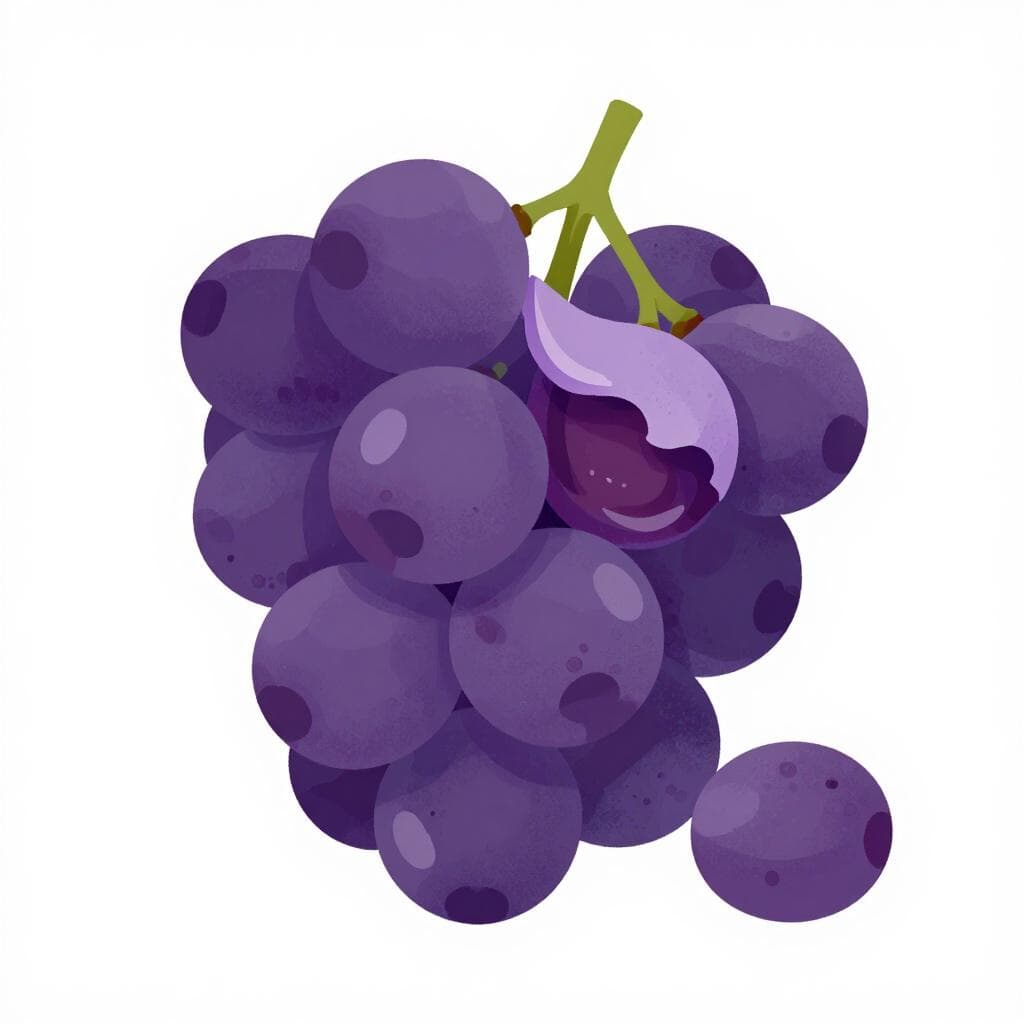

skin, hideAlso: peel
📝 In Action
No me gusta comer el pellejo del pollo.
A2I don't like eating the chicken skin.
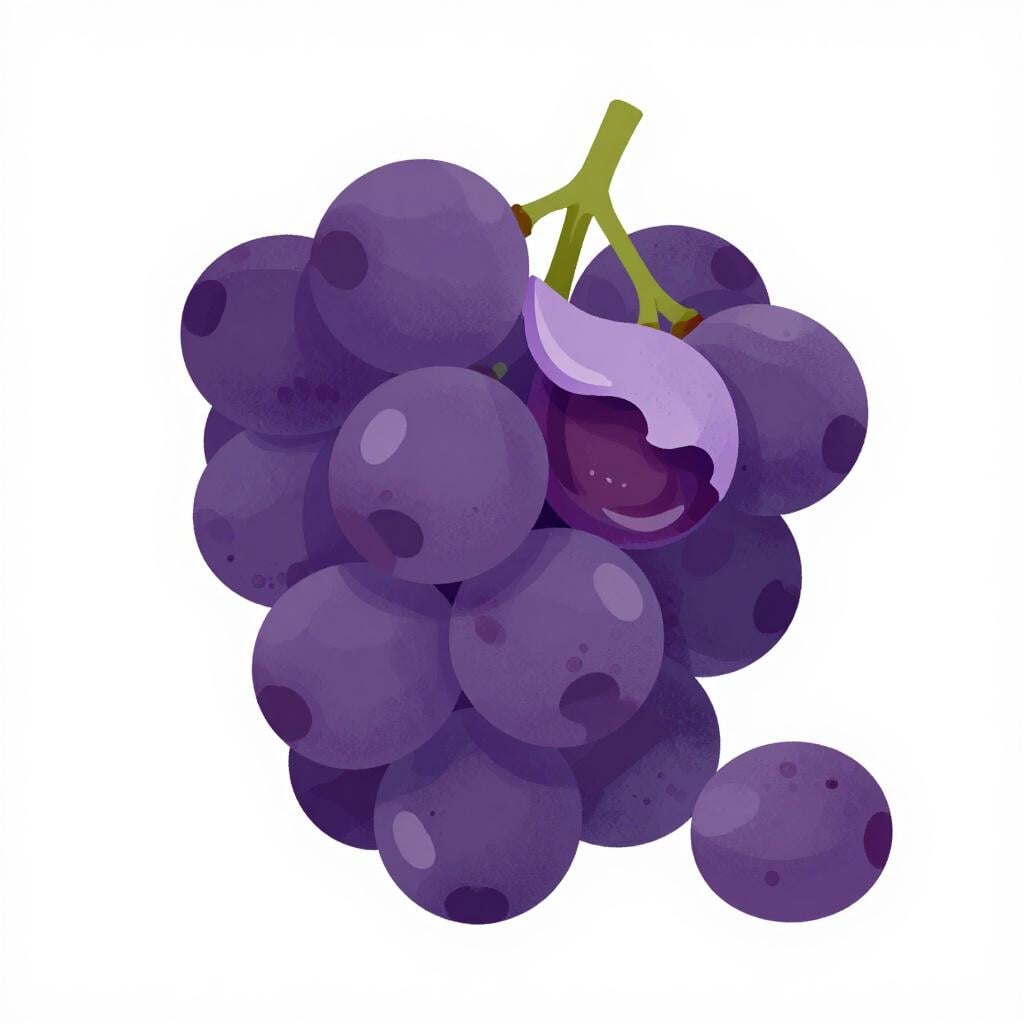
Las uvas tienen un pellejo muy fino.
B1The grapes have a very thin skin.
Después de adelgazar mucho, le quedó algo de pellejo.
B2After losing a lot of weight, he had some loose skin left over.
Word Connections
life, neckAlso: shoes

📝 In Action
El bombero se jugó el pellejo para salvar al gato.
B2The firefighter risked his life to save the cat.
Por fin logramos salvar el pellejo.
B2We finally managed to save our necks.
No me gustaría estar en su pellejo ahora mismo.
C1I wouldn't want to be in his shoes right now.
Word Connections
✏️ Quick Practice
Quick Quiz: pellejo
Question 1 of 3
If a firefighter enters a burning building, he is...
📚 More Resources
👥 Word Family
📚 Etymology
Derived from the Latin 'pellis' (skin/hide) with the suffix '-ejo,' which often implies a slightly diminished or rougher quality.
First recorded: 13th century
Cognates (Related words)
💡 Master Spanish
Take your Spanish to the next level. Read 200+ illustrated and narrated Spanish stories tailored to your level with the Inklingo app!
Frequently Asked Questions
Is 'pellejo' a rude word?
Not inherently, but using it to describe a person's skin can be unflattering because it suggests the skin is loose, wrinkled, or animal-like. Stick to 'piel' for compliments.
Can I use 'pellejo' for an apple peel?
Usually, we use 'cáscara' or 'piel' for apples. 'Pellejo' is more for thin, membrane-like skins like those on grapes, chickpeas, or sausages.
Is there a feminine version?
While 'pelleja' exists, it is very rare and often used as a very harsh slang insult in specific regions. For general use, stick to the masculine 'el pellejo'.