How to Say "peel" in Spanish
The most common Spanish word for “peel” is “cáscara” — use 'cáscara' for the outer covering of fruits and vegetables, like the rind of an orange or the skin of a potato.
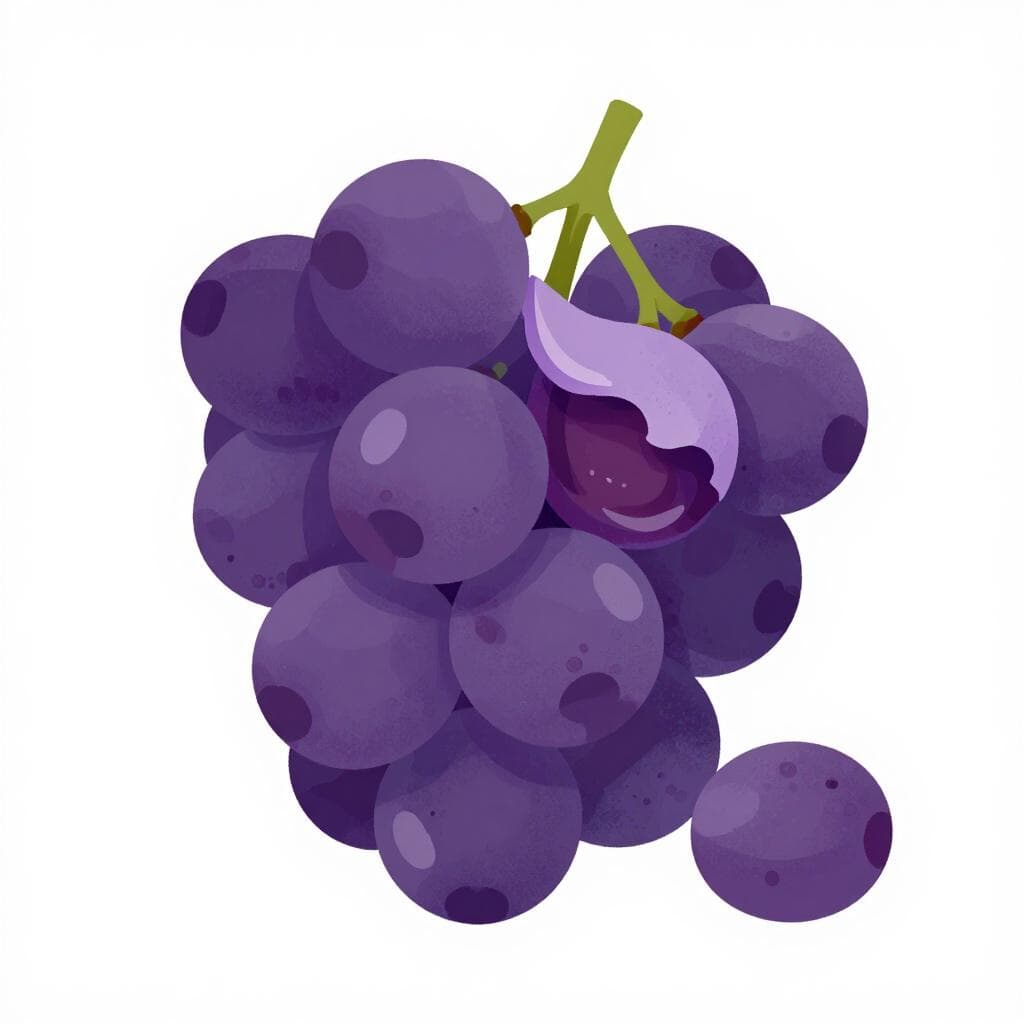
cáscara
Examples
La cáscara de la naranja es amarga.
The orange peel is bitter.
peh-YEH-hopeˈʎexo
Examples
Prefiero el pollo sin pellejo.
I prefer chicken without skin.
No me gusta comer el pellejo del pollo.
I don't like eating the chicken skin.
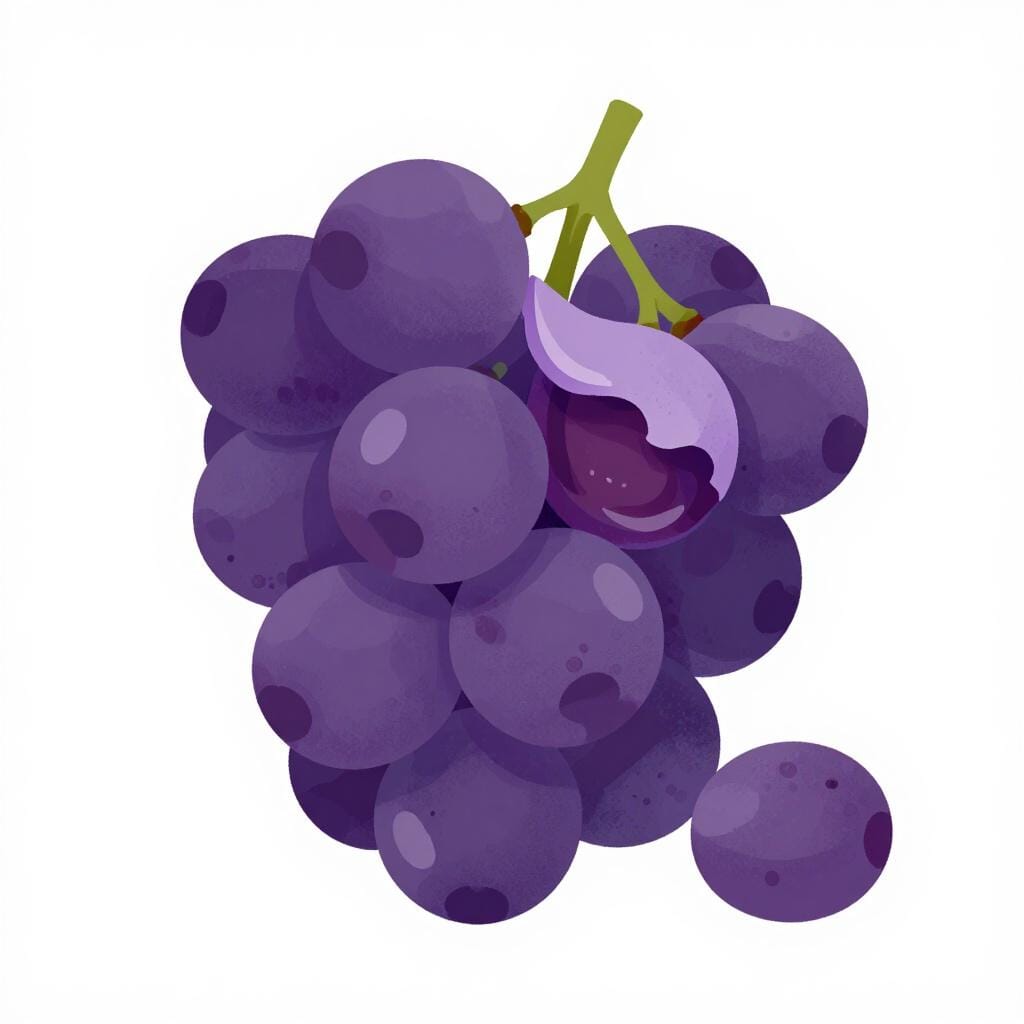
Las uvas tienen un pellejo muy fino.
The grapes have a very thin skin.
Después de adelgazar mucho, le quedó algo de pellejo.
After losing a lot of weight, he had some loose skin left over.
Pellejo vs. Piel
While both mean 'skin,' use 'piel' for healthy living human skin. Use 'pellejo' for skin that is detached, loose, or on fruits and animals.
Don't use it for compliments
Mistake: “Tienes un pellejo muy bonito.”
Correction: Say 'Tienes una piel muy bonita.' Calling someone's skin 'pellejo' suggests it is loose, old, or like animal hide.
Fruits vs. Poultry Skin
Learners often confuse 'cáscara' and 'pellejo' by using them interchangeably. Remember that 'cáscara' is primarily for produce like fruits and vegetables, while 'pellejo' is typically used for the skin of meats or legumes.
Related Translations
Learn Spanish with Inklingo
Interactive stories, personalized learning, and more.