How to Say "bark" in Spanish
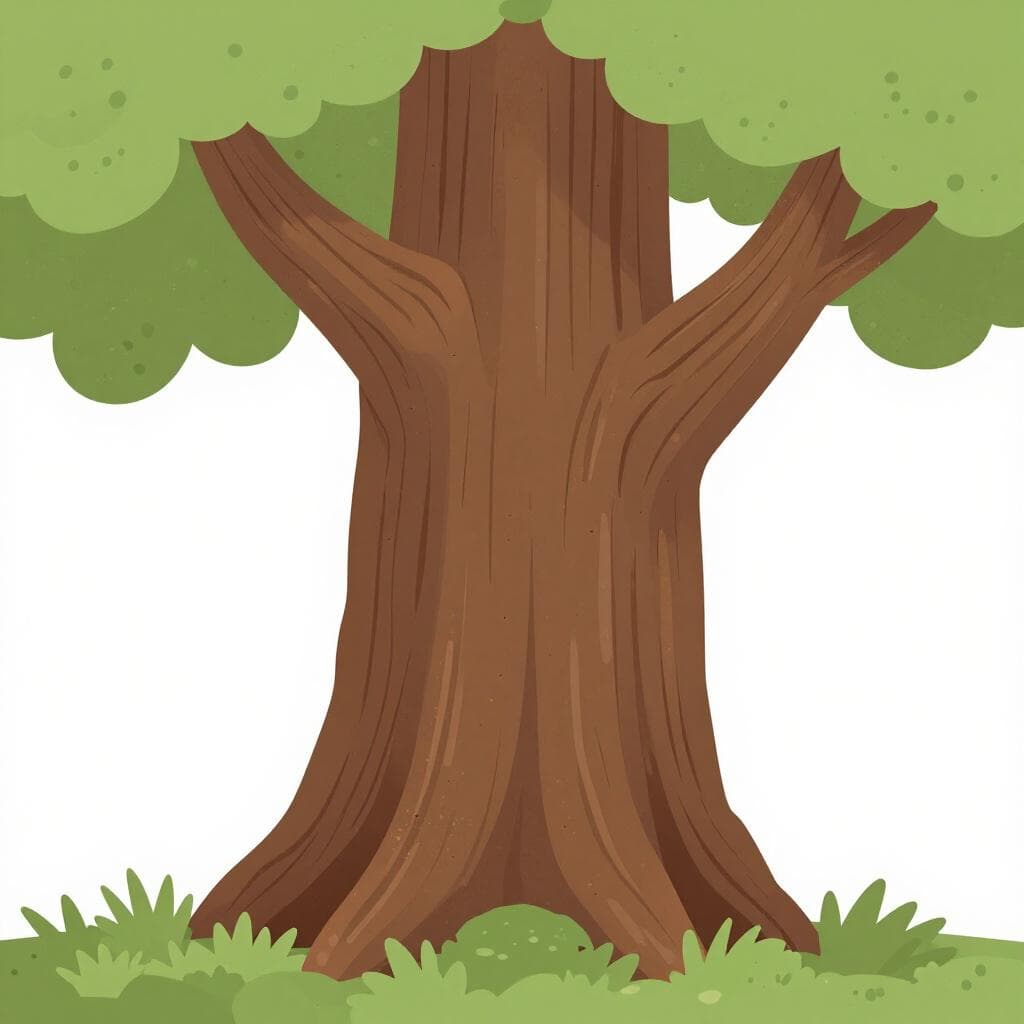
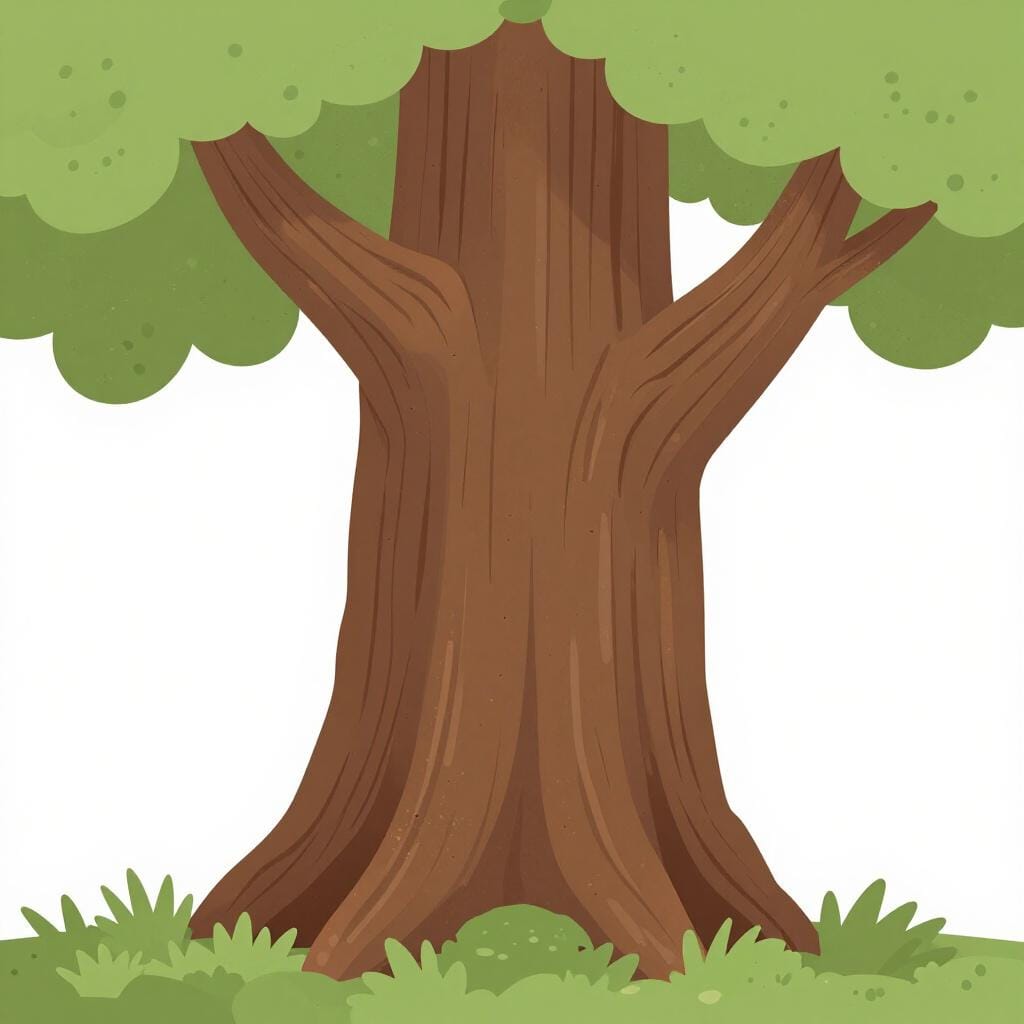
The most common Spanish word for “bark” is “corteza” — use 'corteza' for the outer layer of a tree, or for the crust of bread.
corteza
kor-TEH-sahkoɾˈtesa
Examples
La corteza de este roble es muy gruesa.
The bark of this oak tree is very thick.
No me gusta la corteza del pan, prefiero solo la miga.
I don't like the bread crust; I prefer only the soft part.
Los elefantes usan sus colmillos para quitar la corteza de los árboles.
Elephants use their tusks to strip the bark from the trees.
Hay que quitarle la corteza al queso antes de comerlo.
You have to remove the rind from the cheese before eating it.
Always Feminine
Corteza is a feminine word. You must always use 'la' or 'una' with it, even if you are talking about a rough tree bark or a hard crust.
Plural Form
To talk about more than one, simply add an '-s' to the end: 'las cortezas'.
Corteza vs. Cáscara
Mistake: “Using 'corteza' for an eggshell or a banana peel.”
Correction: Use 'cáscara' for eggs, nuts, and fruits you peel with your hands. Use 'corteza' for harder or thicker things like tree trunks, bread, and cheese.
cáscara
Examples
Quita la cáscara de la naranja antes de comerla.
Remove the peel of the orange before eating it.
Tree Bark vs. Fruit Peels
Learn Spanish with Inklingo
Interactive stories, personalized learning, and more.