nostalgia
“nostalgia” means “nostalgia” in Spanish (a sentimental longing for the past).
nostalgia
Also: homesickness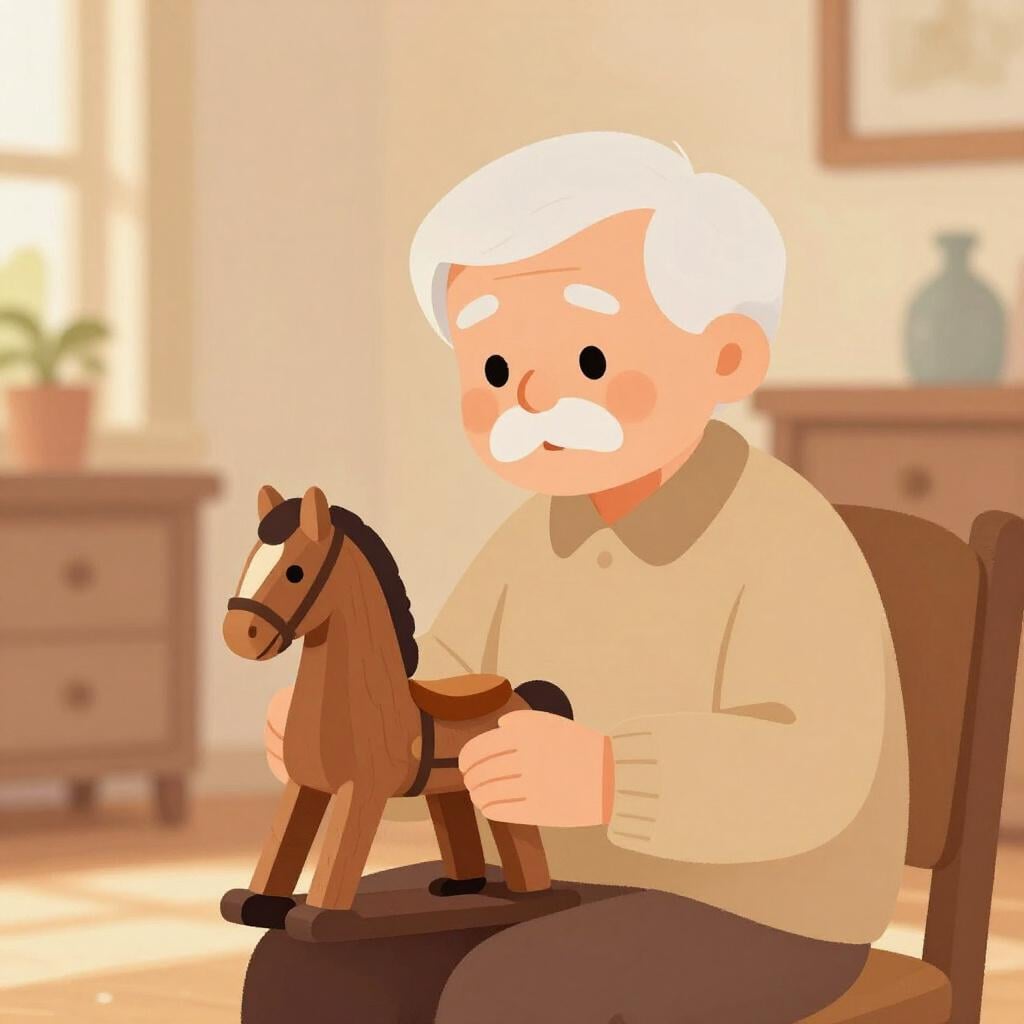
📝 In Action
Siento mucha nostalgia por mi país.
A2I feel a lot of nostalgia for my country.
Esta canción me da mucha nostalgia.
B1This song makes me feel very nostalgic.
Recordamos los veranos de la infancia con nostalgia.
B2We remember childhood summers with nostalgia.
Translate to Spanish
✏️ Quick Practice
Quick Quiz: nostalgia
Question 1 of 3
How do you say 'This song makes me feel nostalgic' in Spanish?
📚 More Resources
👥 Word Family▼
🎵 Rhymes▼
📚 Etymology▼
From Greek 'nostos' (return home) and 'algos' (pain). It was originally coined as a medical term to describe the physical pain of missing home.
First recorded: 18th century
Cognates (Related words)
💡 Master Spanish
Take your Spanish to the next level. Read 200+ illustrated and narrated Spanish stories tailored to your level with the Inklingo app!
Frequently Asked Questions
Can I use 'nostalgia' to talk about missing a person?
Yes, although 'echar de menos' or 'extrañar' are more common for people, 'sentir nostalgia por alguien' is perfectly correct and very poetic.
What is the difference between 'nostalgia' and 'melancolía'?
Nostalgia is specifically about the past or home, while 'melancolía' is a more general sadness or gloominess that doesn't always have a specific cause.
Is it a 'heavy' word to use in conversation?
Not at all. It is very common in everyday conversation when looking at old photos or talking about your hometown.