How to Say "homesickness" in Spanish
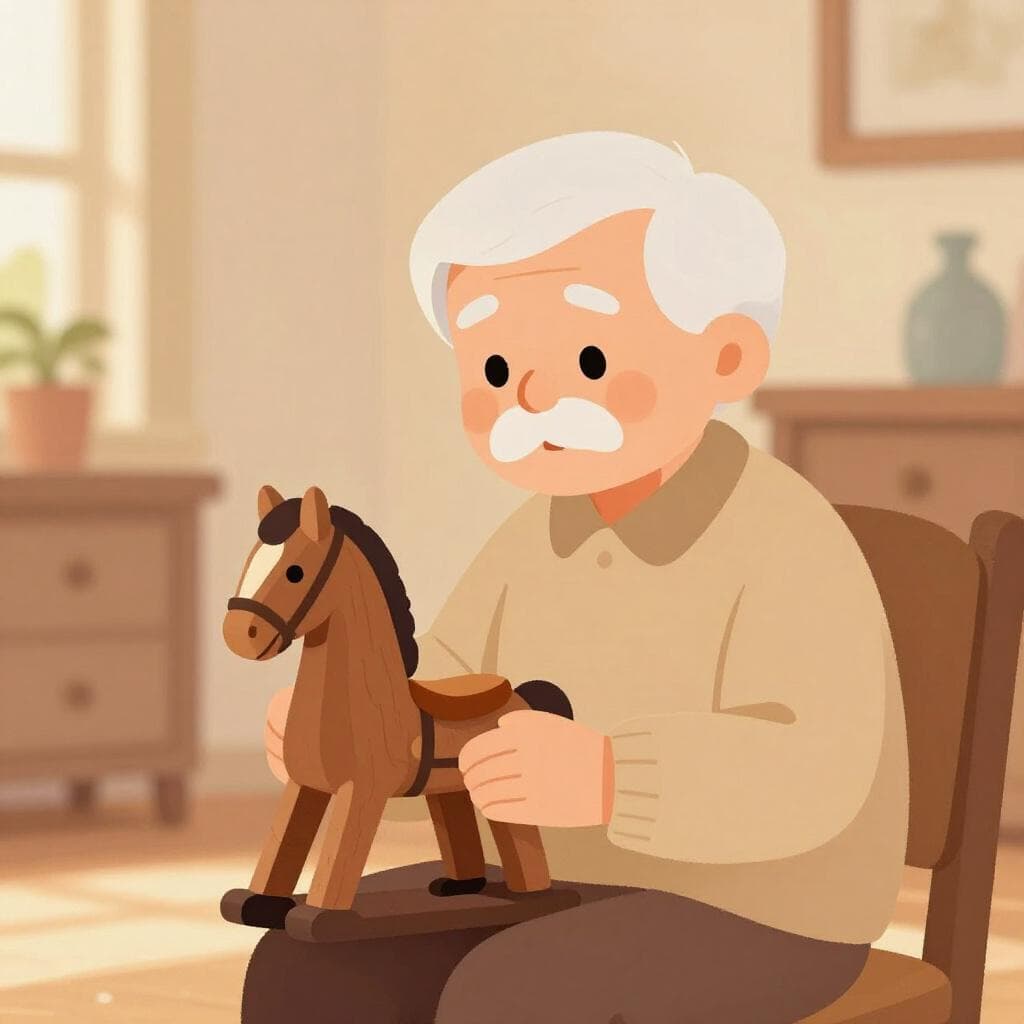
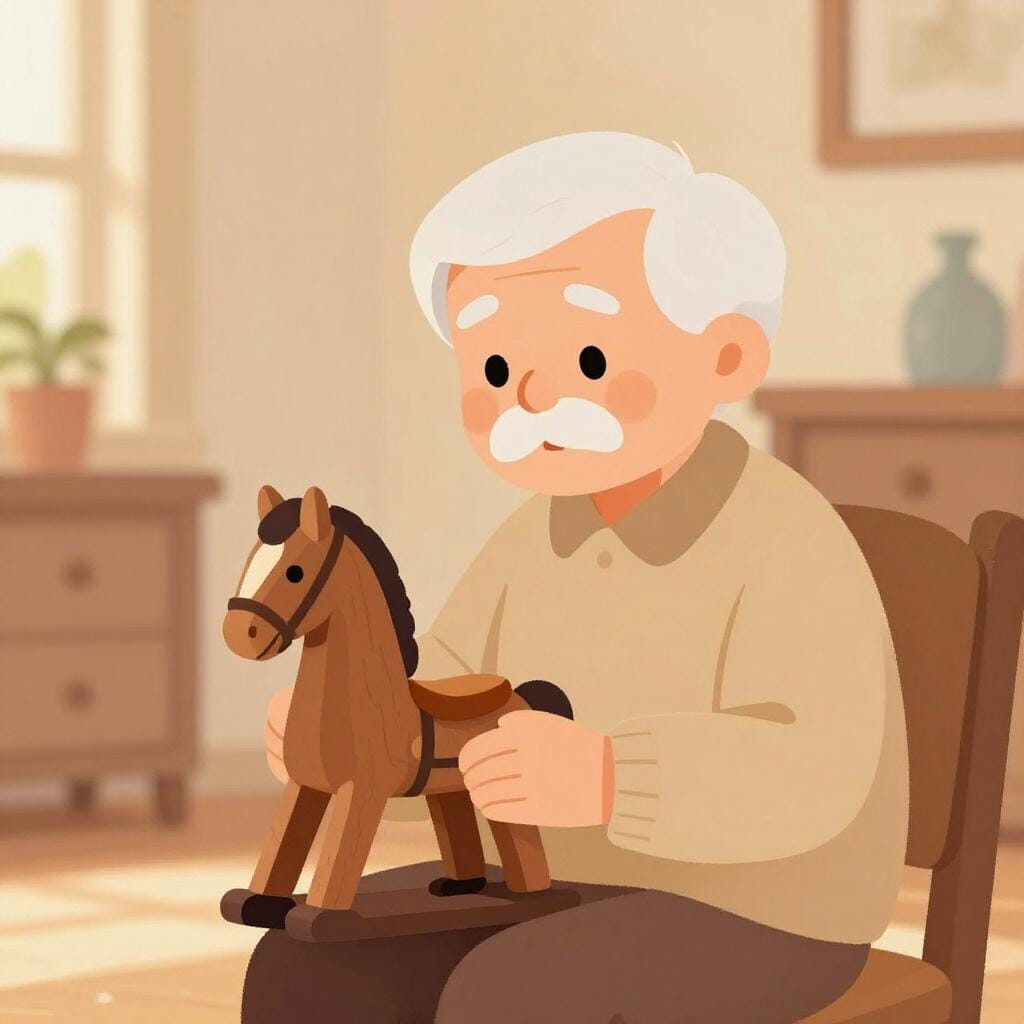
The most common Spanish word for “homesickness” is “nostalgia” — use 'nostalgia' when you feel a general sense of missing your home, country, or familiar surroundings, often triggered by memories or distance.
nostalgia
noh-STAHL-hee-ahnosˈtal.xja
Examples
Siento mucha nostalgia por mi país.
I feel a lot of nostalgia for my country.
Esta canción me da mucha nostalgia.
This song makes me feel very nostalgic.
Recordamos los veranos de la infancia con nostalgia.
We remember childhood summers with nostalgia.
Using 'dar' to express feelings
In Spanish, we often use the word 'dar' (to give) with feelings. Instead of saying 'I am nostalgic,' we say 'me da nostalgia' (it gives me nostalgia).
The connector 'por'
To say what you are nostalgic for, always use the connector 'por.' For example: 'Nostalgia por el hogar' (Nostalgia for home).
Using 'de' instead of 'por'
Mistake: “Siento nostalgia de mi infancia.”
Correction: Siento nostalgia por mi infancia. While 'de' is sometimes used, 'por' is the more natural way to show what causes the feeling.
melancolía
Examples
Siento una profunda melancolía cuando escucho las canciones de mi infancia.
I feel a deep melancholy when I listen to the songs of my childhood.
Choosing Between Nostalgia and Melancolía
Related Translations
Learn Spanish with Inklingo
Interactive stories, personalized learning, and more.