oído
“oído” means “ear” in Spanish. It has 2 different meanings depending on context:

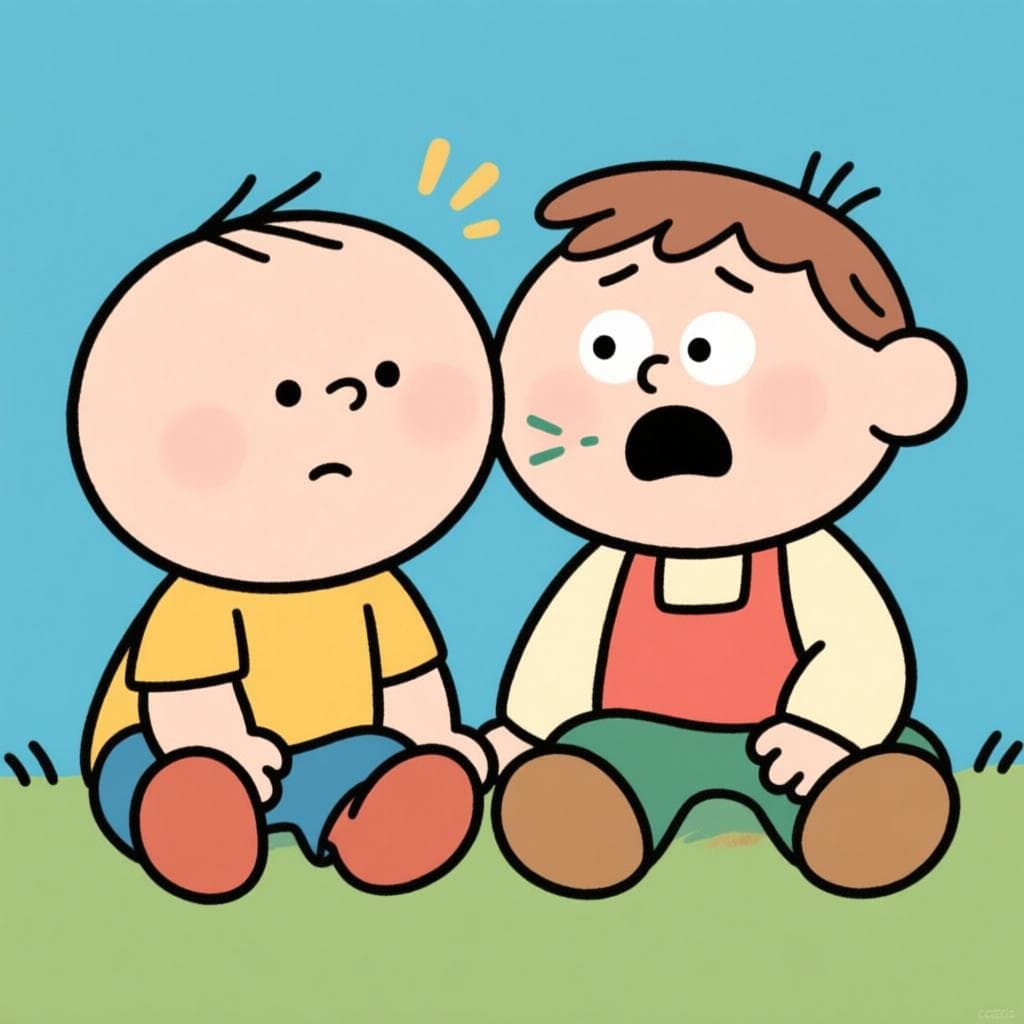
ear
Also: hearing
📝 In Action
Me duele el oído derecho.
A2My right ear hurts.
Mi abuelo no tiene muy buen oído.
B1My grandfather doesn't have very good hearing.
¡Presta oído a lo que te digo!
B2Listen up to what I'm telling you!
heard

📝 In Action
¿Has oído ese ruido?
A2Have you heard that noise?
Nunca había oído hablar de ese actor.
B1I had never heard of that actor.
El himno nacional fue oído con respeto.
B2The national anthem was heard with respect.
✏️ Quick Practice
Quick Quiz: oído
Question 1 of 2
Which sentence is correct for saying 'My ears hurt' because of a loud noise?
📚 More Resources
👥 Word Family▼
📚 Etymology▼
Comes from the Latin word 'audītus', which meant 'a hearing' or 'the sense of hearing'. It's also the past participle of the Latin verb 'audīre', meaning 'to hear'. This single Latin root is why the Spanish word 'oído' has both meanings today.
First recorded: Around the 10th century
Cognates (Related words)
💡 Master Spanish
Take your Spanish to the next level. Read 200+ illustrated and narrated Spanish stories tailored to your level with the Inklingo app!
Frequently Asked Questions
What is the simplest way to remember the difference between 'oído' and 'oreja'?
Think of it this way: you wear earrings on your 'orejas' (the outside part). You get an earache in your 'oídos' (the inside part). 'Oído' is for hearing, 'oreja' is for showing!
Is 'oído' related to 'audio'?
Yes, absolutely! Both words come from the same Latin root 'audīre' (to hear). You can see the connection in many English words like 'audio,' 'auditorium,' and 'audible.'
Why do people say 'he oído' instead of just 'oí'?
Both mean 'I heard,' but they're used differently. 'Oí' (I heard) is for a specific, finished moment in the past, like 'Oí un ruido anoche' (I heard a noise last night). 'He oído' (I have heard) is for experiences that are still relevant, like 'He oído buenas cosas de ti' (I have heard good things about you).