oírlo
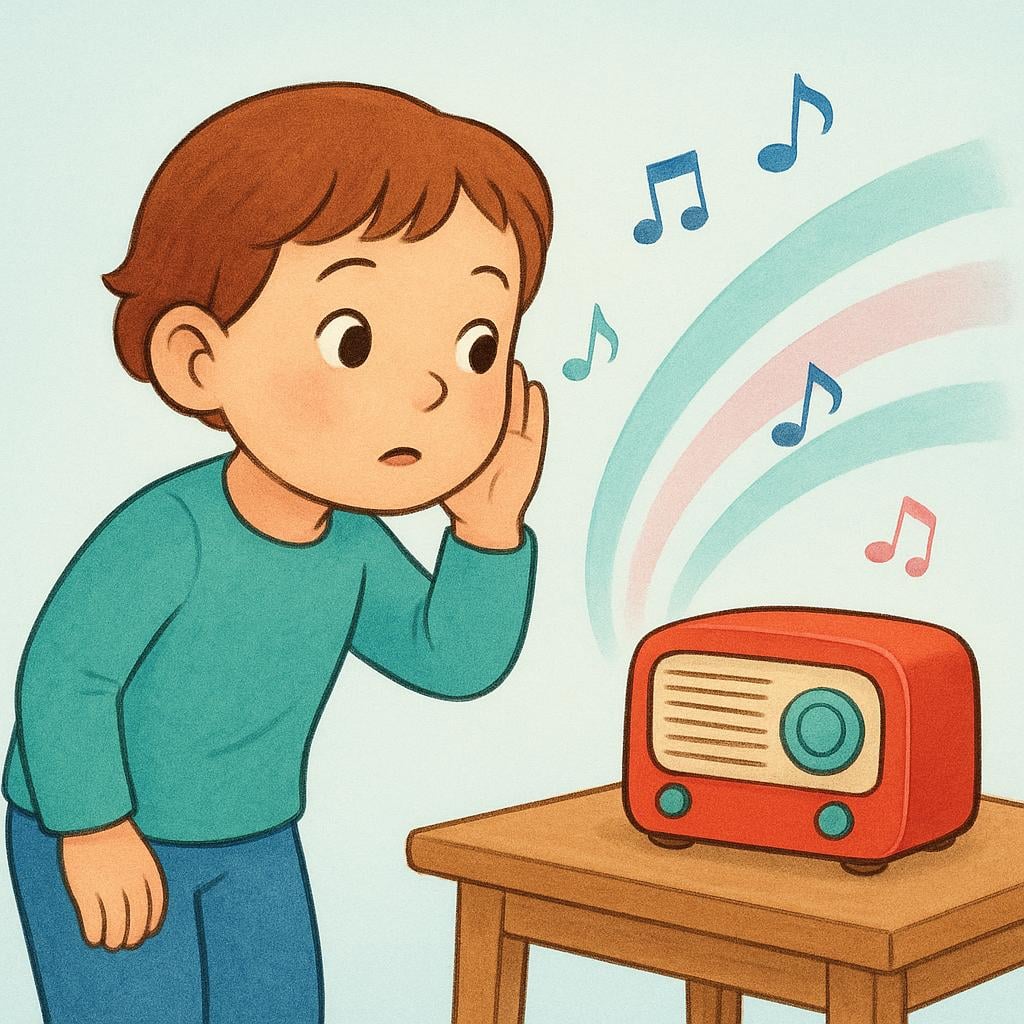
“oírlo” means “to hear it” in Spanish (referring to a masculine noun or abstract concept (e.g., 'the noise', 'the message')).
📝 In Action
Necesitas **oírlo** para entender la situación.
A2You need to hear it (the statement/report) to understand the situation.
No pude **oírlo** bien por el viento.
A2I couldn't hear him/it well because of the wind.
Vamos a **oírlo** otra vez, quizás perdimos algo.
B1We are going to listen to it again, maybe we missed something.
Word Connections
Indicative
Present
Imperfect
Preterite
Subjunctive
Present Subjunctive
Imperfect Subjunctive
✏️ Quick Practice
Quick Quiz: oírlo
Question 1 of 1
Which sentence correctly uses 'oírlo'?
📚 More Resources
👥 Word Family
📚 Etymology
The word is a combination of the irregular verb *oír* (from Latin *audīre*, meaning 'to hear') and the direct object pronoun *lo* (from Latin *illum*, meaning 'that/him'). The combined form is common across all Romance languages.
First recorded: The verb *oír* dates back to early Old Spanish, while the combined form follows standard grammatical rules established early in the language's development.
Cognates (Related words)
💡 Master Spanish
Take your Spanish to the next level. Read 200+ illustrated and narrated Spanish stories tailored to your level with the Inklingo app!
Frequently Asked Questions
Why does 'oírlo' have an accent mark?
The accent mark is added to 'oírlo' to maintain the natural stress of the original verb 'oír'. Without the accent, the stress would fall on the 'o' in 'lo,' changing the sound of the word.
When do I use 'oírlo' instead of 'oírla'?
You use 'oírlo' when the thing you are hearing is a masculine singular noun (like *el sonido* - the sound). You use 'oírla' when the thing you are hearing is a feminine singular noun (like *la voz* - the voice).