oíste
“oíste” means “you heard” in Spanish (past action, singular informal).
you heard
Also: did you hear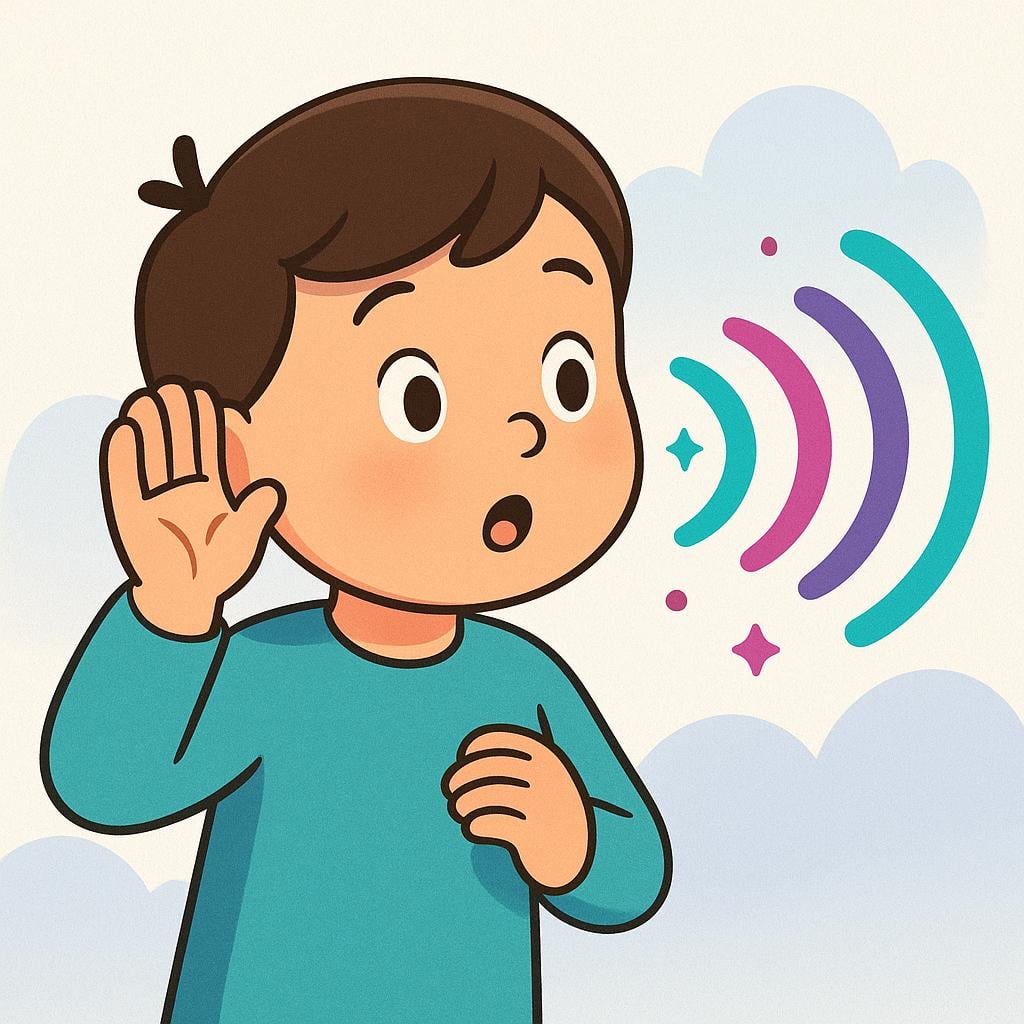
📝 In Action
¿Oíste ese ruido anoche?
A1Did you hear that noise last night?
No me oíste bien; dije 'café', no 'té'.
A2You didn't hear me well; I said 'coffee', not 'tea'.
Cuando te lo conté, ¿oíste la sorpresa en mi voz?
B1When I told you, did you hear the surprise in my voice?
🔄 Conjugations
indicative
present
imperfect
preterite
subjunctive
present
imperfect
✏️ Quick Practice
Quick Quiz: oíste
Question 1 of 2
Which English phrase correctly translates 'oíste'?
📚 More Resources
👥 Word Family▼
📚 Etymology▼
The verb 'oír' comes directly from the Latin verb *audire*, meaning 'to hear.' Spanish simplified the sound significantly over time. The 'í' in 'oíste' comes from the need to break up the vowel sequence in the past tense, making it easier to pronounce.
First recorded: Before the 10th century (as *oir* or similar forms)
Cognates (Related words)
💡 Master Spanish
Take your Spanish to the next level. Read 200+ illustrated and narrated Spanish stories tailored to your level with the Inklingo app!
Frequently Asked Questions
Why does 'oíste' have an accent mark?
The accent mark on the 'i' (oíste) is crucial because it tells you to pronounce the 'o' and the 'i' as two separate syllables (o-í-ste), rather than blending them together into one sound.
What is the difference between 'oíste' and 'escuchaste'?
'Oíste' means 'you heard' (the sound came to you, often involuntarily). 'Escuchaste' means 'you listened' (you actively paid attention to the sound or message).