pasarme
“pasarme” means “pass me” in Spanish. It has 3 different meanings depending on context:

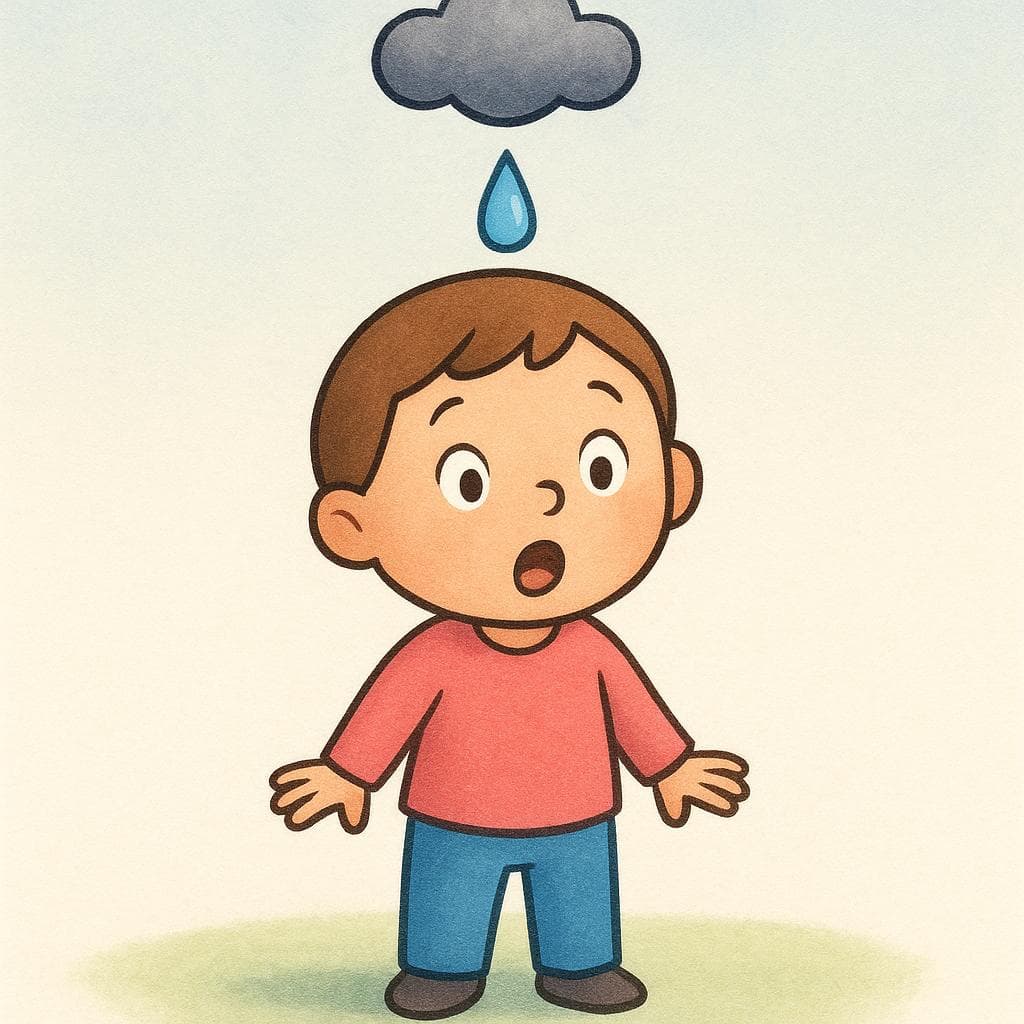

pass me, hand me
Also: give me (a turn/the phone)
📝 In Action
¿Podrías pasarme la sal, por favor?
A1Could you pass me the salt, please?
Necesito pasarme el archivo antes de la reunión.
A2I need to transfer the file to myself before the meeting.
happen to me, occur to me
Also: affect me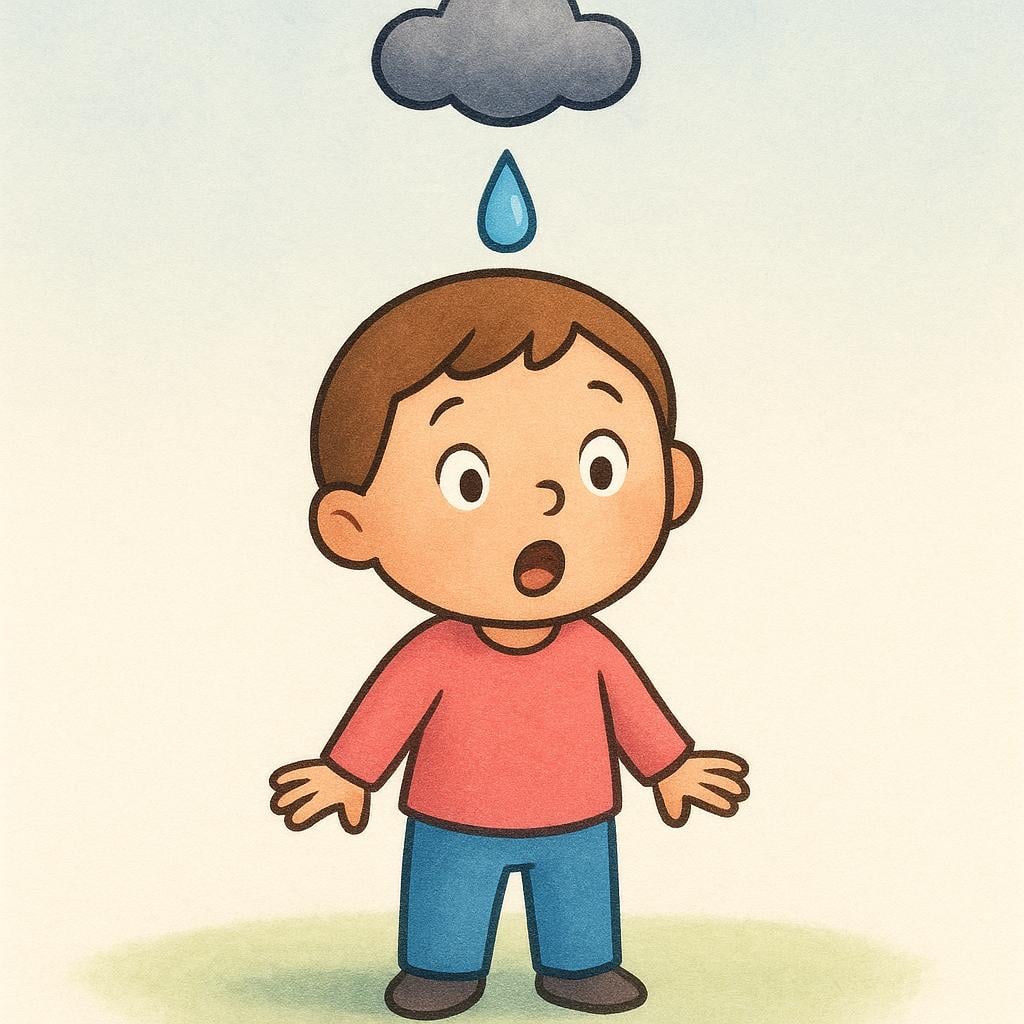
📝 In Action
No te preocupes, no va a pasarme nada malo.
A2Don't worry, nothing bad is going to happen to me.
Se me acaba de pasarme una idea genial para el proyecto.
B1A great idea for the project just occurred to me.
go too far, overdo it
Also: cross the line, overstay (one's welcome)
📝 In Action
Disculpa, creo que me pasé con la broma.
B1Sorry, I think I went too far with the joke.
No quiero pasarme, voy a comer solo un poco de postre.
B2I don't want to overdo it, I'm only going to eat a little dessert.
Me pasé tres horas viendo televisión anoche.
B1I spent/wasted three hours watching TV last night.
Indicative
Present
Preterite
Imperfect
Subjunctive
Present Subjunctive
Imperfect Subjunctive
Translate to Spanish
✏️ Quick Practice
Quick Quiz: pasarme
Question 1 of 2
Which English phrase best translates 'Creo que me pasé con el volumen'?
📚 More Resources
👥 Word Family▼
📚 Etymology▼
From the Vulgar Latin *passare*, meaning 'to step' or 'to walk,' which itself came from the Latin *passus* (a step). The meaning evolved from simple movement to spending time and eventually to the complex reflexive meanings of exceeding a boundary.
First recorded: 10th century
Cognates (Related words)
💡 Master Spanish
Take your Spanish to the next level. Read 200+ illustrated and narrated Spanish stories tailored to your level with the Inklingo app!
Frequently Asked Questions
Why is the pronoun 'me' attached to the end of the verb?
The pronoun 'me' attaches to the end of the verb when the verb is in its infinitive form (the base form, ending in -ar, -er, or -ir). This is very common when the infinitive follows another conjugated verb, like 'quiero' or 'necesito'.
Is 'pasarme' always reflexive?
No. 'Pasarme' is the combination of 'pasar' and the pronoun 'me.' Sometimes 'me' acts as a direct or indirect object (meaning 'to me'), as in 'pass me the salt.' Other times, it forms the reflexive verb 'pasarse,' which changes the core meaning to 'go too far' or 'happen to me.'