pegarle
“pegarle” means “to hit him/her/it” in Spanish. It has 2 different meanings depending on context:
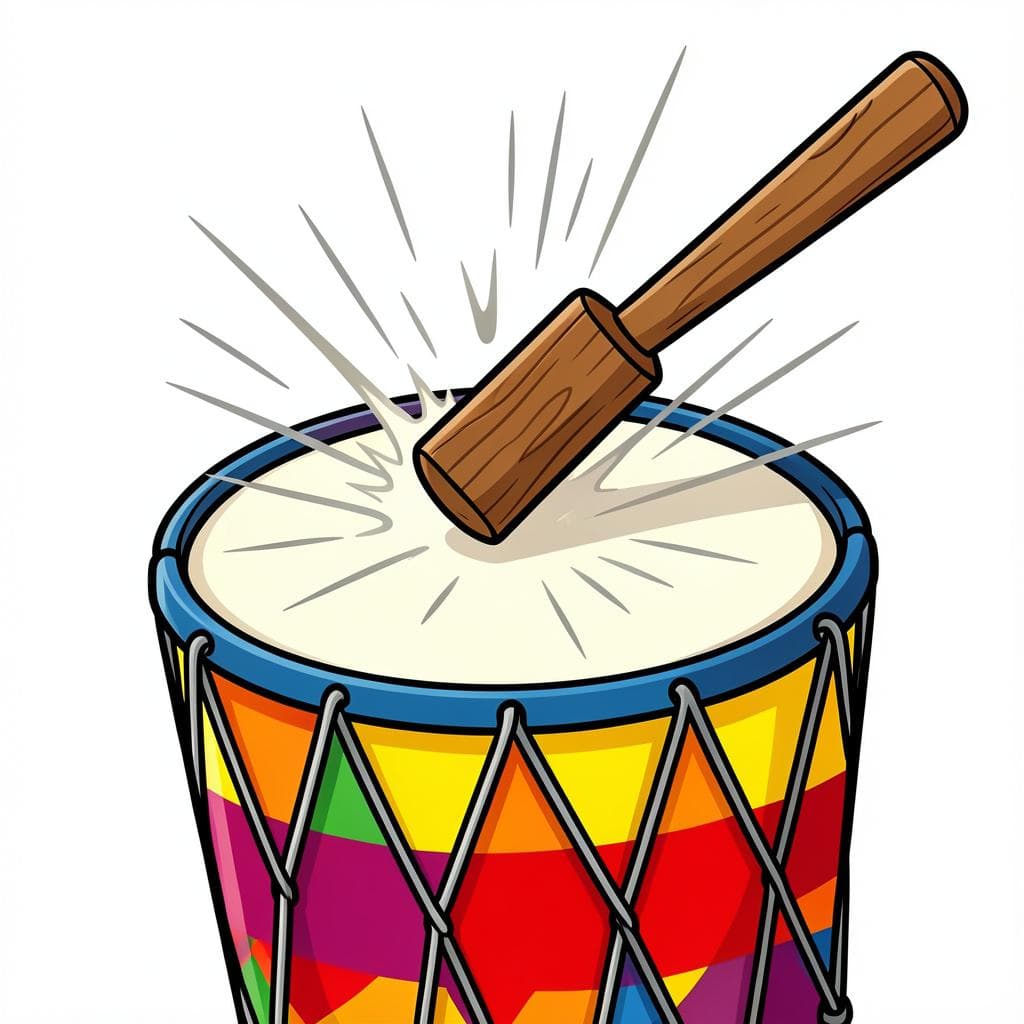

to hit him/her/it
Also: to strike it, to beat him/her
📝 In Action
Tienes que pegarle a la pelota con fuerza.
A2You have to hit the ball with strength.
No está bien pegarle a los demás.
A2It is not right to hit others.
to get it right
Also: to nail it, to hit the jackpot
📝 In Action
¡Le pegaste al gordo!
B1You hit the jackpot! (You got it exactly right!)
Creo que le pegaste con esa respuesta.
B1I think you nailed it with that answer.
Subjunctive
Imperfect Subjunctive
Present Subjunctive
Indicative
Preterite
Imperfect
Present
✏️ Quick Practice
Quick Quiz: pegarle
Question 1 of 2
If you are playing soccer and someone says '¡Pégale!', what should you do?
📚 More Resources
🎵 Rhymes▼
📚 Etymology▼
From the verb 'pegar' (from Latin 'picare', to cover with pitch/glue) combined with the pronoun 'le' (him/her/it). Over time, the meaning shifted from just 'sticking' to 'striking' as if things were being clapped together.
First recorded: 13th century (base verb)
Cognates (Related words)
💡 Master Spanish
Take your Spanish to the next level. Read 200+ illustrated and narrated Spanish stories tailored to your level with the Inklingo app!
Frequently Asked Questions
Why does the word change to 'pégale'?
When you give a command (the imperative), the accent moves to the 'e' to keep the stress on the right syllable when the 'le' is attached.
Can 'pegarle' mean 'to glue it'?
While 'pegar' means to glue, when you add 'le' as an object, it almost always refers to hitting or striking someone/something.