pegajoso
“pegajoso” means “sticky” in Spanish. It has 2 different meanings depending on context:
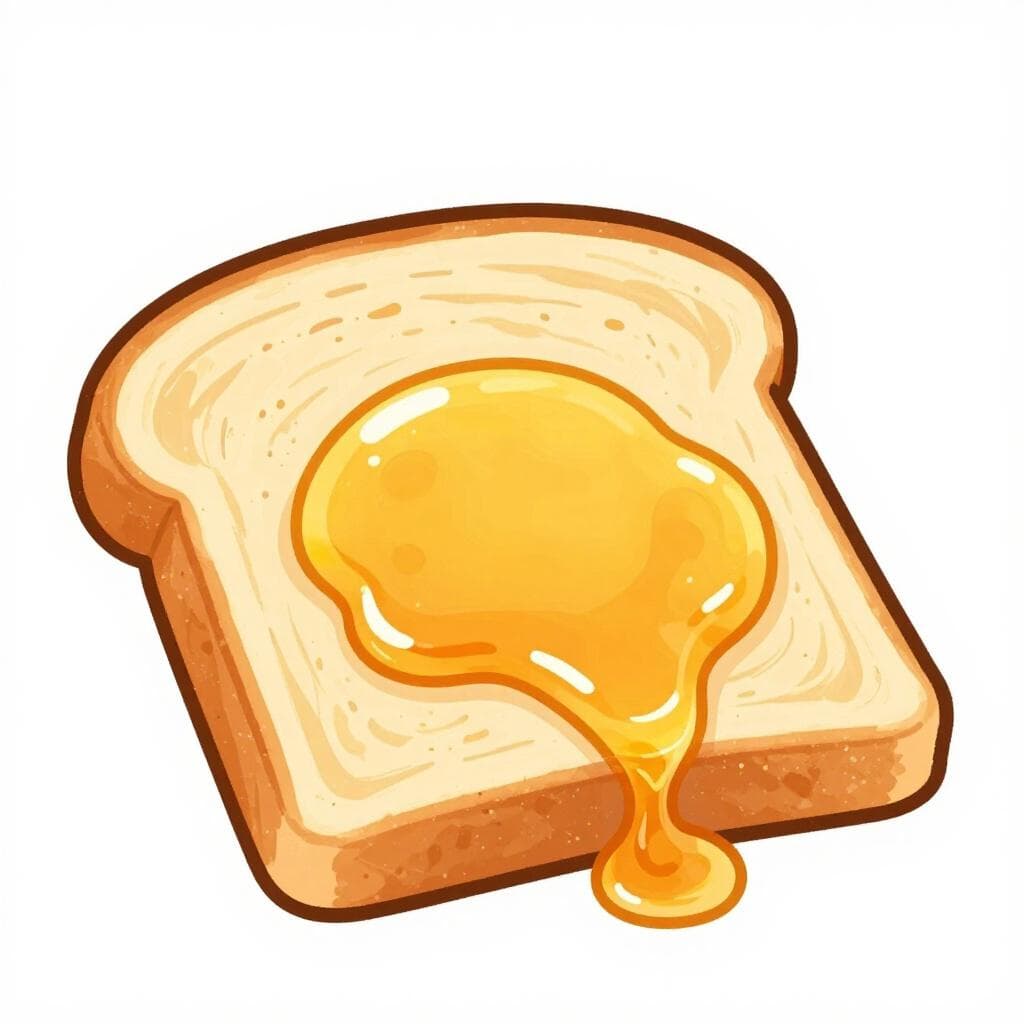
sticky, catchy
Also: tacky, muggy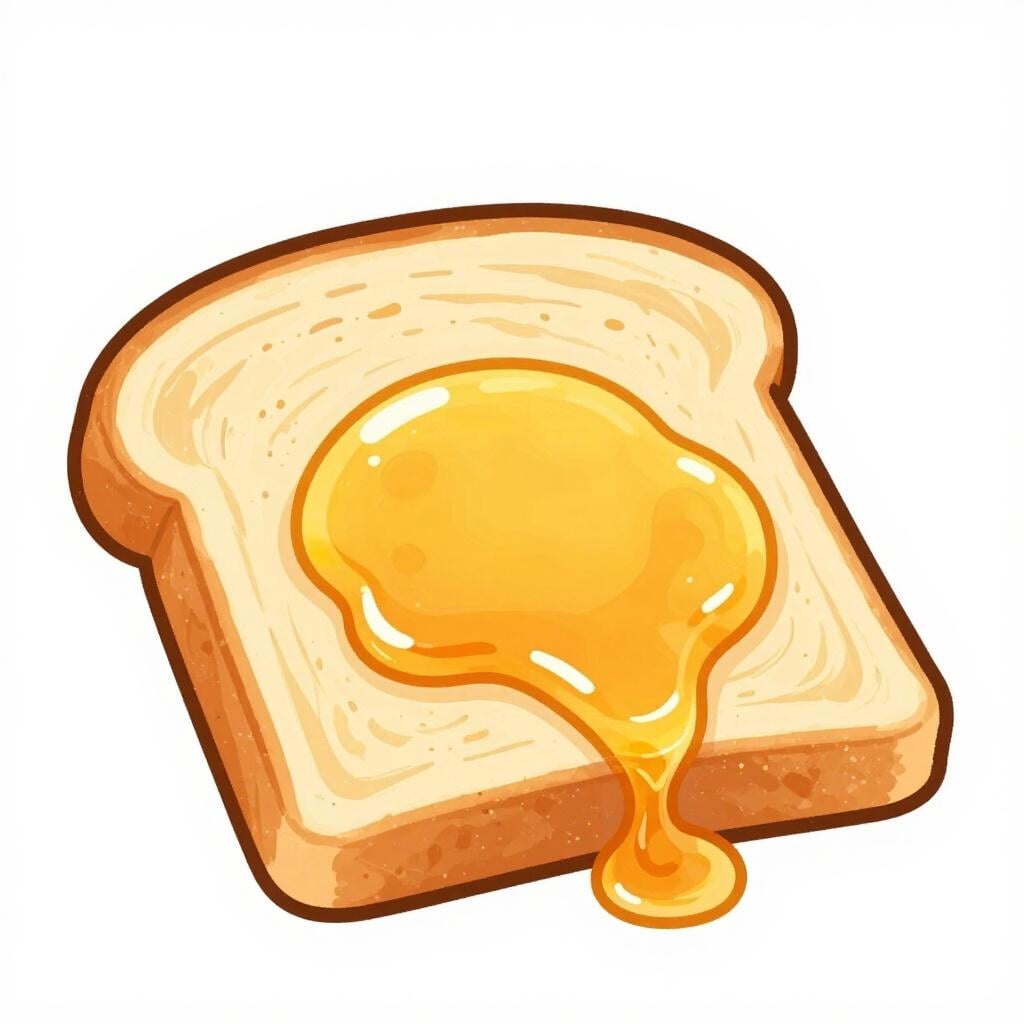
📝 In Action
El suelo de la cocina está pegajoso.
A1The kitchen floor is sticky.
Esa canción es muy pegajosa, no puedo dejar de tararearla.
A2That song is very catchy, I can't stop humming it.
Hace un calor pegajoso hoy por la humedad.
B1It's a muggy/sticky heat today because of the humidity.
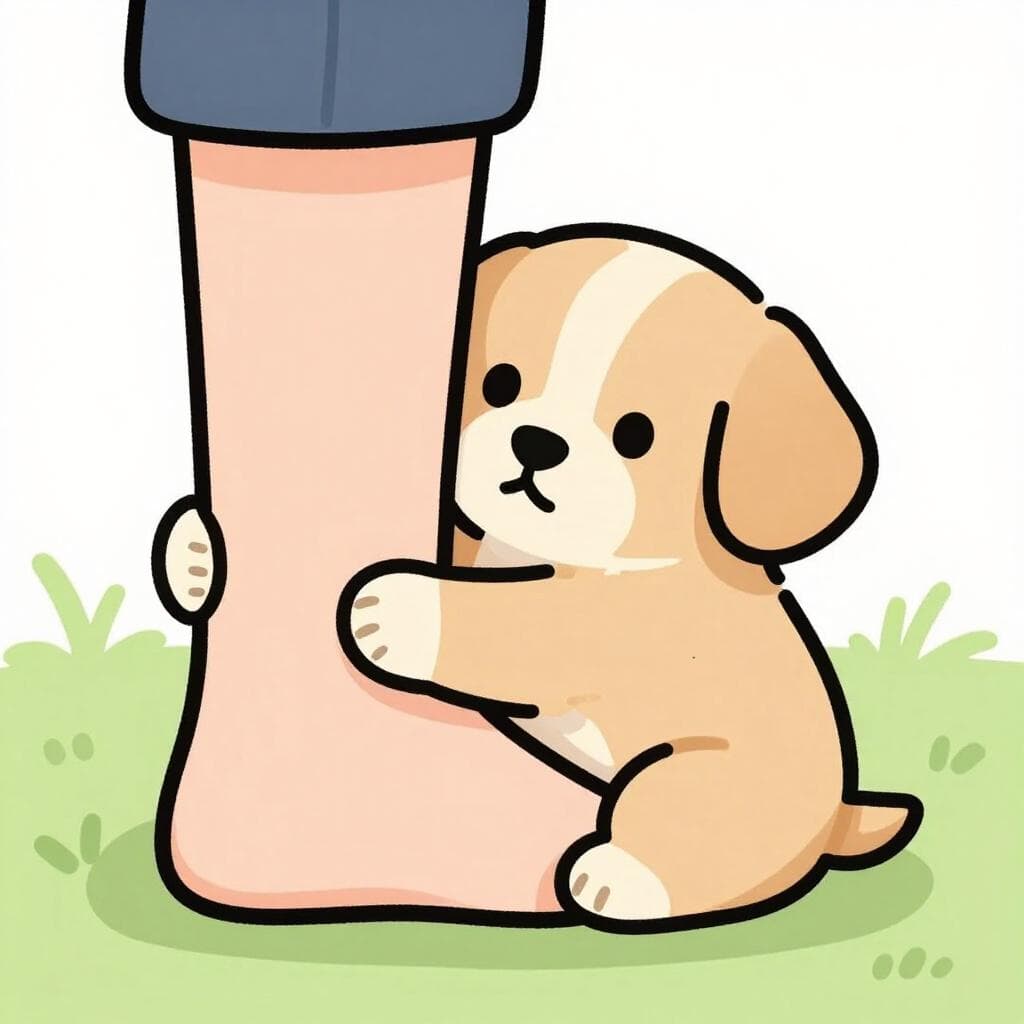
clingy
Also: lovey-dovey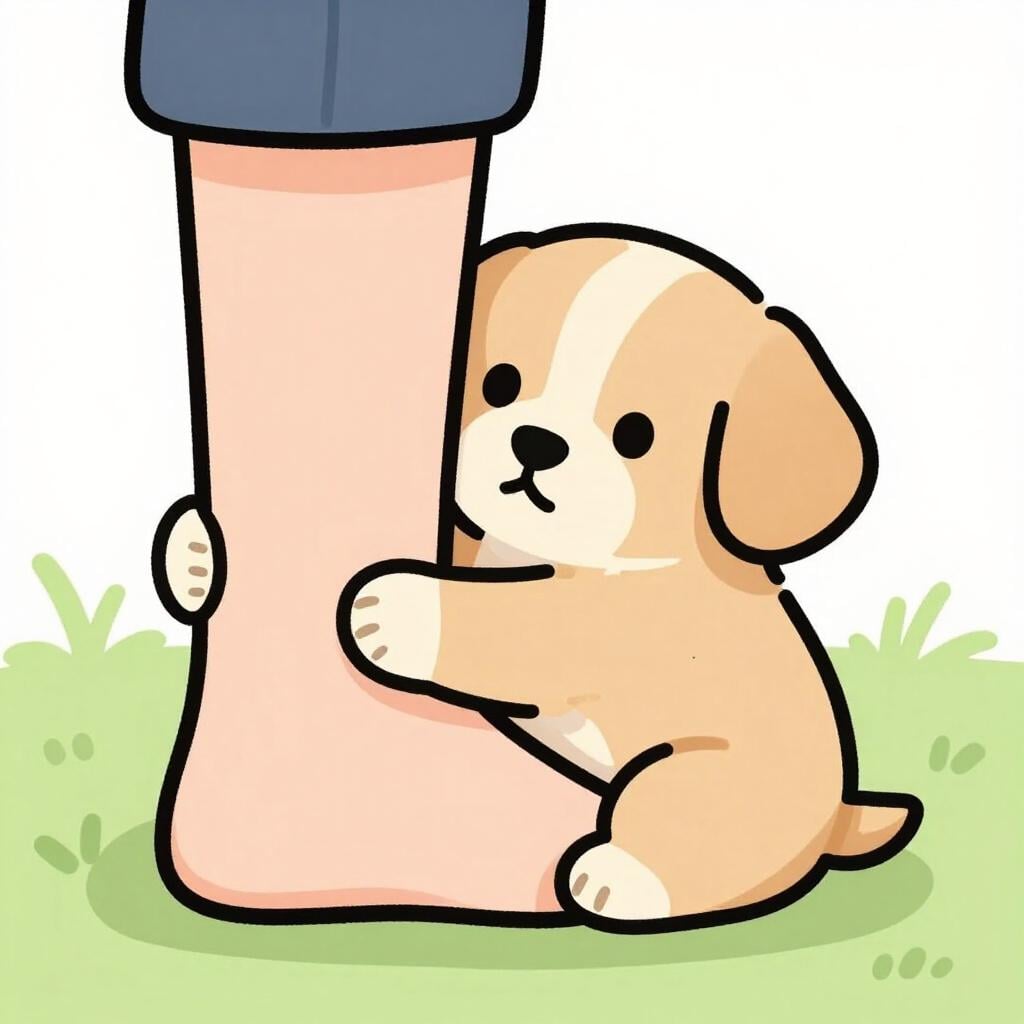
📝 In Action
Mi gato es muy pegajoso, siempre quiere estar en mi regazo.
B1My cat is very clingy, he always wants to be in my lap.
No seas tan pegajoso con ella, dale su espacio.
B2Don't be so clingy with her, give her some space.
Eran una pareja muy pegajosa en la fiesta.
C1They were a very lovey-dovey couple at the party.
Translate to Spanish
✏️ Quick Practice
Quick Quiz: pegajoso
Question 1 of 3
Which word describes a song that you can't stop singing?
📚 More Resources
👥 Word Family▼
📚 Etymology▼
From the Spanish verb 'pegar' (to stick), which comes from the Latin 'picare', meaning 'to cover with pitch/tar'.
First recorded: 13th century
Cognates (Related words)
💡 Master Spanish
Take your Spanish to the next level. Read 200+ illustrated and narrated Spanish stories tailored to your level with the Inklingo app!
Frequently Asked Questions
Is 'pegajoso' always a bad thing?
Not always. While it can mean a floor is dirty or a person is annoying, it is a compliment for a song or a cute way to describe a pet.
What is the difference between 'pegado' and 'pegajoso'?
'Pegado' means something is currently stuck or very close to something else. 'Pegajoso' describes the quality of being sticky (like honey).
Can I use 'pegajoso' for a sticker?
You would say the sticker 'tiene pegamento' (has glue) or that it is 'adhesivo'. You only use 'pegajoso' to describe the sticky residue it leaves behind.