How to Say "tacky" in Spanish
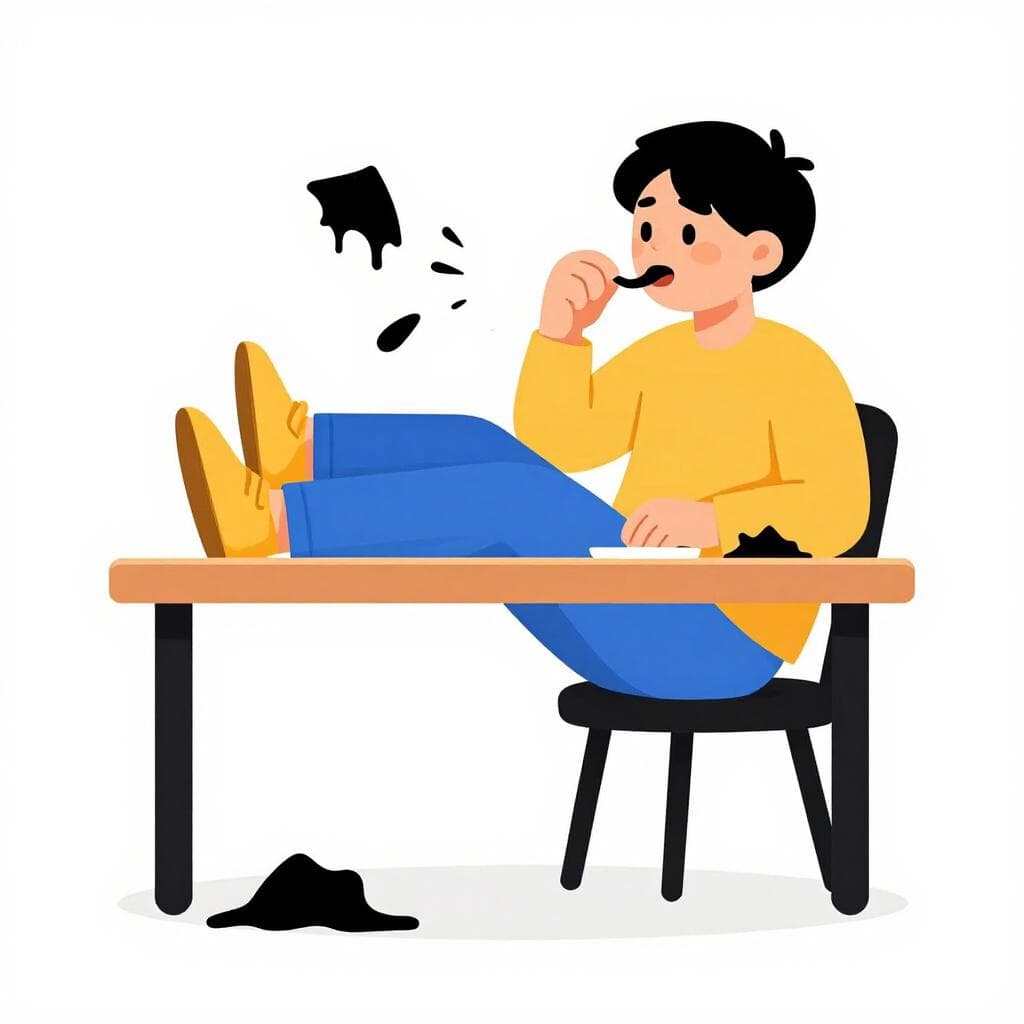
The most common Spanish word for “tacky” is “barato” — use 'barato' when 'tacky' refers to something that looks cheap or of poor quality in appearance, often due to its low cost.


barato
bah-RAH-tohbaˈɾato

Examples
No me gusta su ropa, siempre parece barata.
I don't like her clothes; they always look tacky/cheaply made.
Ese reloj de plástico se ve muy barato.
That plastic watch looks very trashy/cheap.
ordinario
or-dee-NAH-ryohoɾ.ði.ˈna.ɾjo
Examples
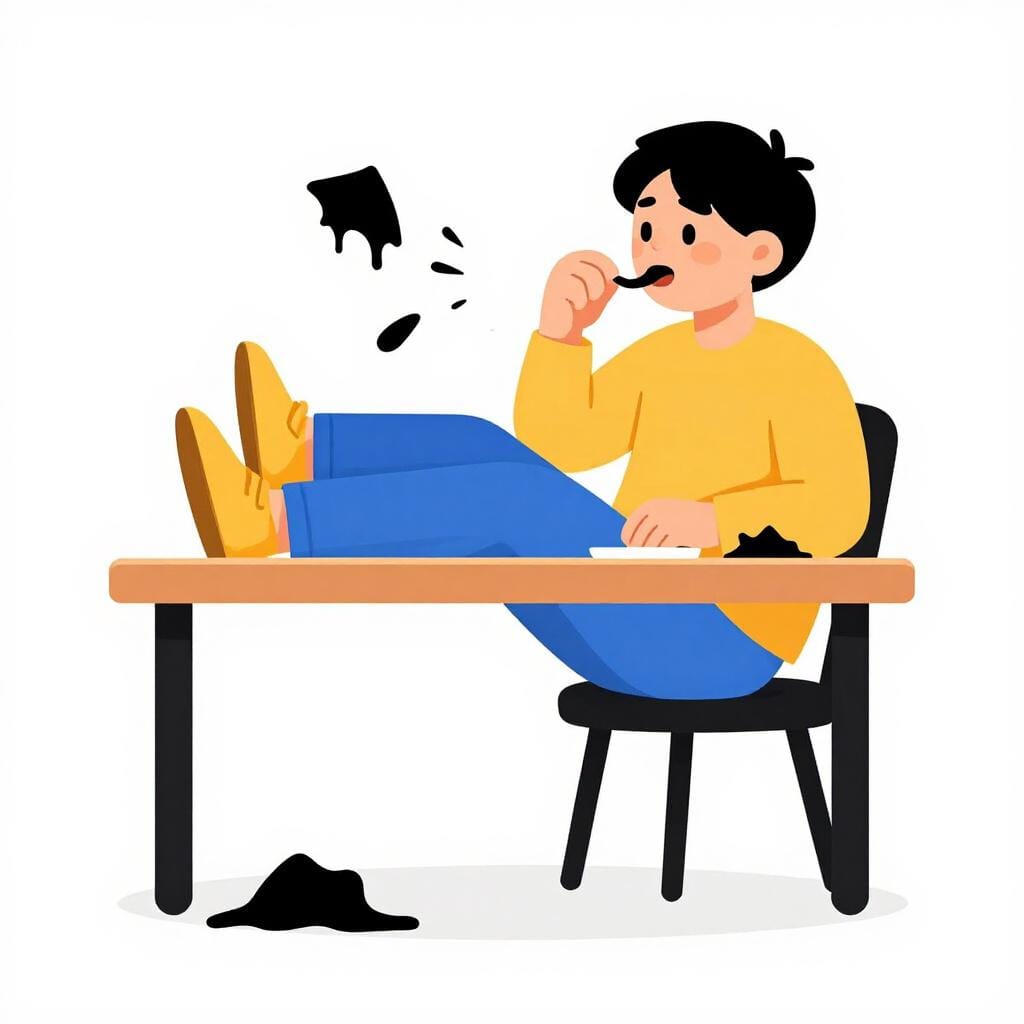
No seas ordinario, no hables con la boca llena.
Don't be rude, don't talk with your mouth full.
Ese chiste fue un poco ordinario para esta cena.
That joke was a bit vulgar for this dinner.
Se comportó de una manera muy ordinaria.
He behaved in a very boorish/vulgar way.
Using 'Ser' vs 'Estar'
Use 'ser ordinario' to describe someone's personality, and 'estar ordinario' to say they are acting rude just in this moment.
The False Friend Trap
Mistake: “Saying 'Eres ordinario' to mean 'You are an average person'.”
Correction: Be careful! In Spanish, calling a person 'ordinario' usually means you think they are vulgar or have no manners. Use 'una persona común' for 'average'.
cursi
KOOR-seeˈkuɾ.si

Examples
No seas tan cursi, no me digas esas cosas delante de la gente.
Don't be so cheesy, don't say those things to me in front of people.
La decoración de la fiesta era un poco cursi con tantos corazones rosas.
The party decorations were a bit tacky with so many pink hearts.
Me parece cursi escribir poemas de amor en servilletas.
I think it's corny to write love poems on napkins.
One word for everyone
This word doesn't change based on gender. You can say 'él es cursi' or 'ella es cursi'—the ending always stays as an 'i'.
Ser vs. Estar with Cursi
Use 'ser' if someone has a cheesy personality, and 'estar' if they are just acting or looking cheesy at a specific moment.
Avoid 'cursa'
Mistake: “Esa película es muy cursa.”
Correction: Esa película es muy cursi. Even if the object is feminine, the word always ends in 'i'.
pegajoso
peh-gah-HOH-sohpe.ɣa.ˈxo.so
Examples
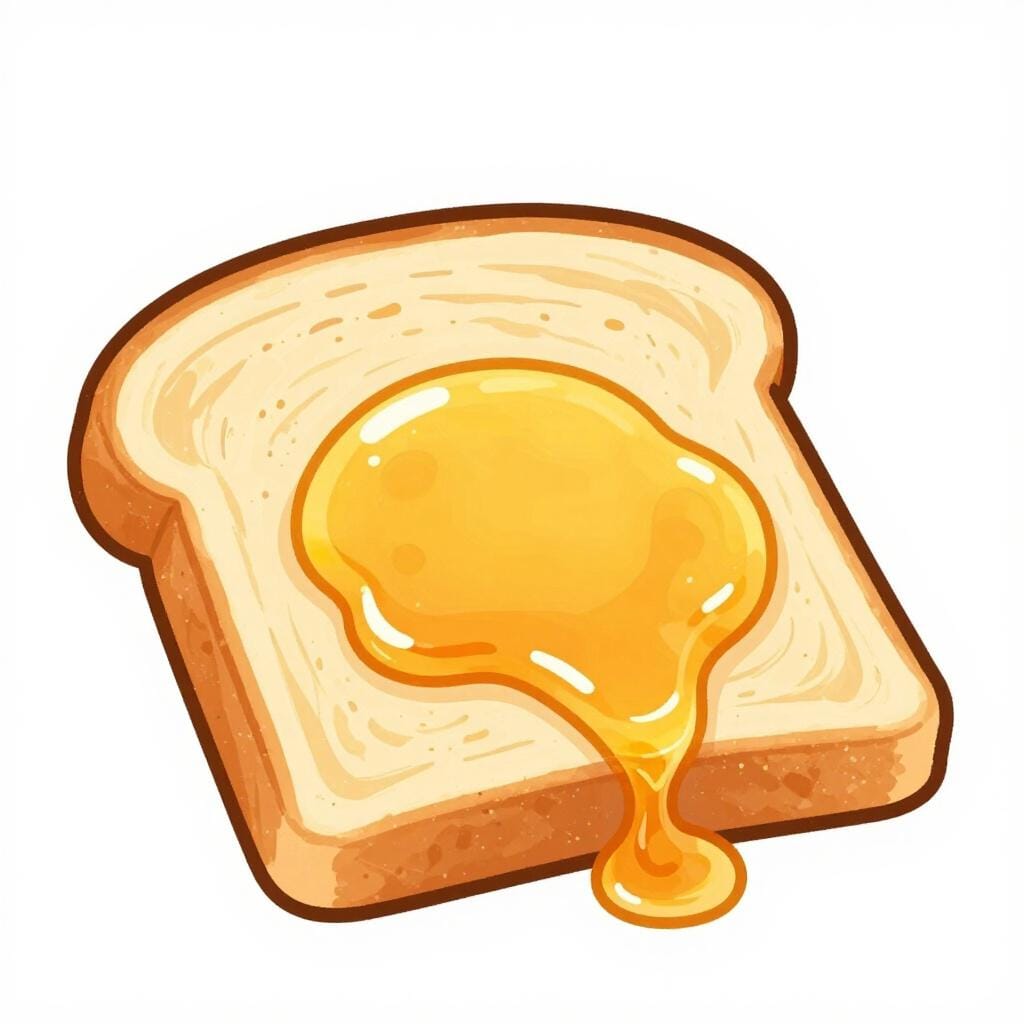
El suelo de la cocina está pegajoso.
The kitchen floor is sticky.
Esa canción es muy pegajosa, no puedo dejar de tararearla.
That song is very catchy, I can't stop humming it.
Hace un calor pegajoso hoy por la humedad.
It's a muggy/sticky heat today because of the humidity.
Matching Gender
The word changes its ending to 'pegajosa' when describing feminine words like 'canción' (song) or 'miel' (honey).
Describing Sensations
Use this word with 'estar' to describe how something feels right now (like a spill) and 'ser' for something that is naturally sticky (like glue).
Using it for Tape
Mistake: “Dame el pegajoso.”
Correction: Dame la cinta adhesiva. 'Pegajoso' describes the feeling, not the object itself.
Distinguishing 'Barato', 'Ordinario', and 'Cursi'
Learn Spanish with Inklingo
Interactive stories, personalized learning, and more.