perdieron
“perdieron” means “they lost” in Spanish. It has 3 different meanings depending on context:
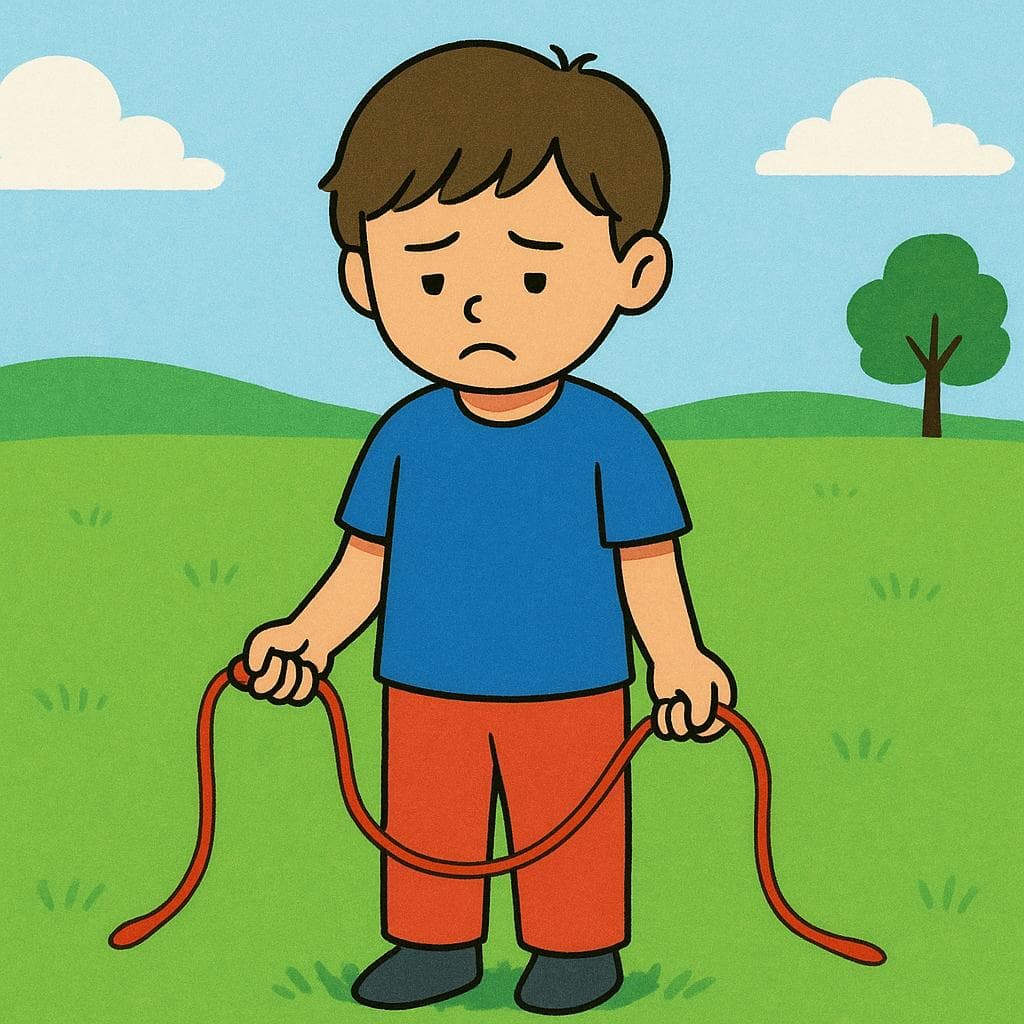
they lost, you lost (plural/formal)
Also: they misplaced
📝 In Action
Ellos perdieron las llaves del coche ayer.
A2They lost the car keys yesterday.
Ustedes perdieron mucho dinero en esa inversión, ¿verdad?
B1You (all) lost a lot of money in that investment, right?
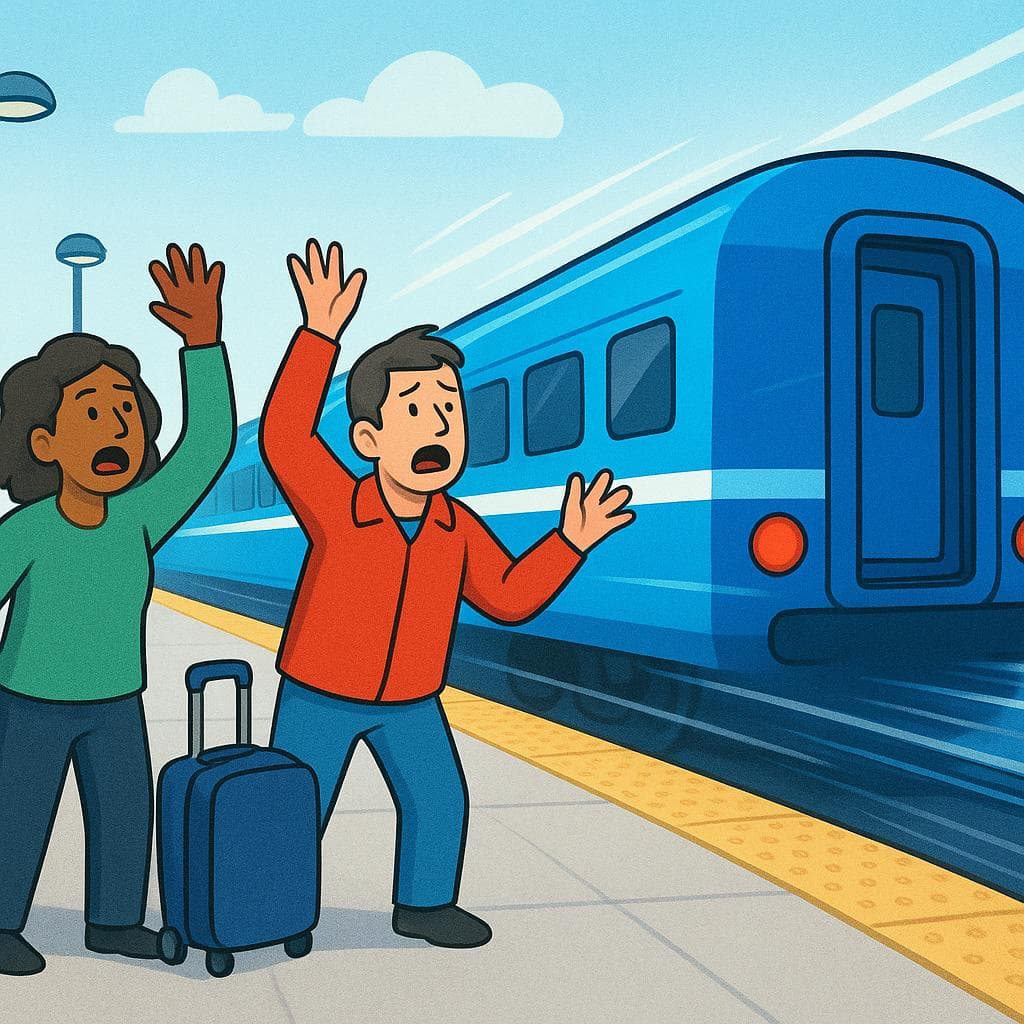
they missed, you missed (plural/formal)
Also: they failed to catch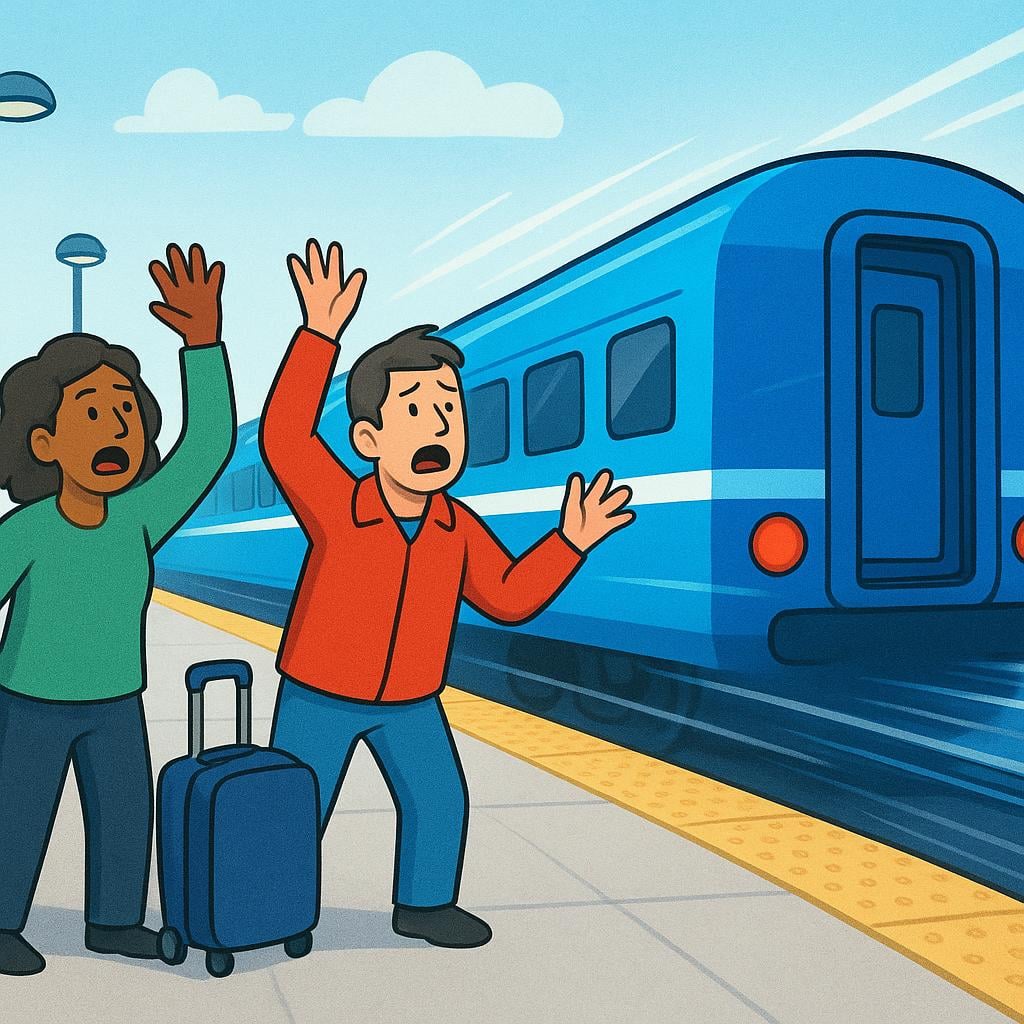
📝 In Action
Llegaron tarde y perdieron el último tren a casa.
B1They arrived late and missed the last train home.
¡Qué pena! Perdieron la oportunidad de ver el eclipse.
B1What a shame! They missed the opportunity to see the eclipse.
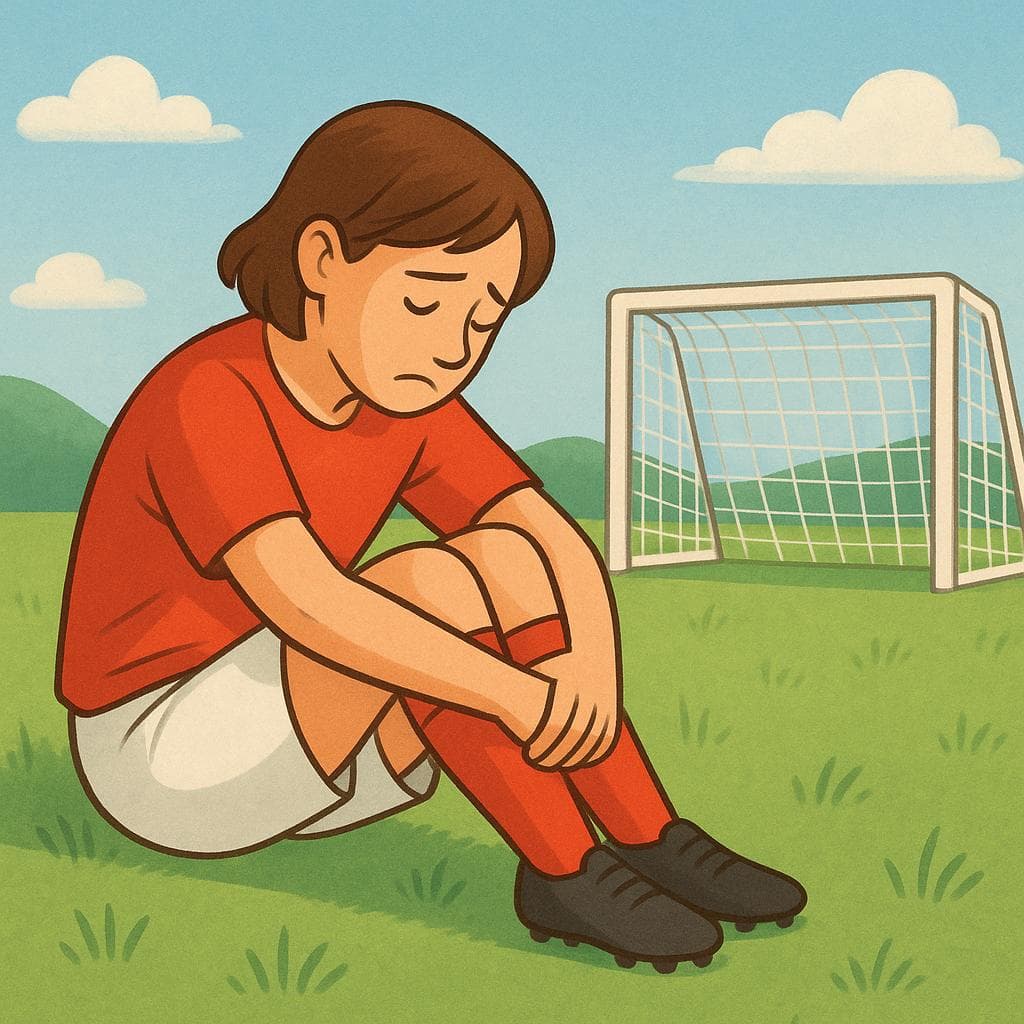
they lost, you lost (plural/formal)
Also: they were defeated
📝 In Action
Lucharon duro, pero perdieron el partido por un punto.
B1They fought hard, but they lost the match by one point.
Si ustedes perdieron la apuesta, deben pagar la cena.
B2If you (all) lost the bet, you must pay for dinner.
🔄 Conjugations
indicative
present
imperfect
preterite
subjunctive
present
imperfect
Translate to Spanish
✏️ Quick Practice
Quick Quiz: perdieron
Question 1 of 2
Which sentence uses 'perdieron' in the sense of 'missing transport'?
📚 More Resources
🎵 Rhymes▼
📚 Etymology▼
'Perder' comes from the Latin verb *perdere*, which meant 'to destroy' or 'to cast away.' Over time, its meaning shifted in Spanish to focus primarily on the sense of 'losing' something, whether physically or figuratively.
First recorded: Before 1200
Cognates (Related words)
💡 Master Spanish
Take your Spanish to the next level. Read 200+ illustrated and narrated Spanish stories tailored to your level with the Inklingo app!
Frequently Asked Questions
Is 'perdieron' a regular or irregular verb form?
The infinitive verb *perder* is considered irregular because its stem changes (e to ie) in the present tense (e.g., *pierdo*). However, the specific form 'perdieron' is part of the Preterite tense, which follows the regular conjugation pattern for -er verbs.
How is 'perdieron' different from 'perdían'?
'Perdieron' (Preterite) describes a single, finished action: 'They lost the match yesterday.' 'Perdían' (Imperfect) describes repeated or ongoing actions in the past: 'They were always losing when they played.'