piensan
“piensan” means “they think” in Spanish (cognitive activity or opinion).
they think, you (plural, formal) think
Also: they are planning, they believe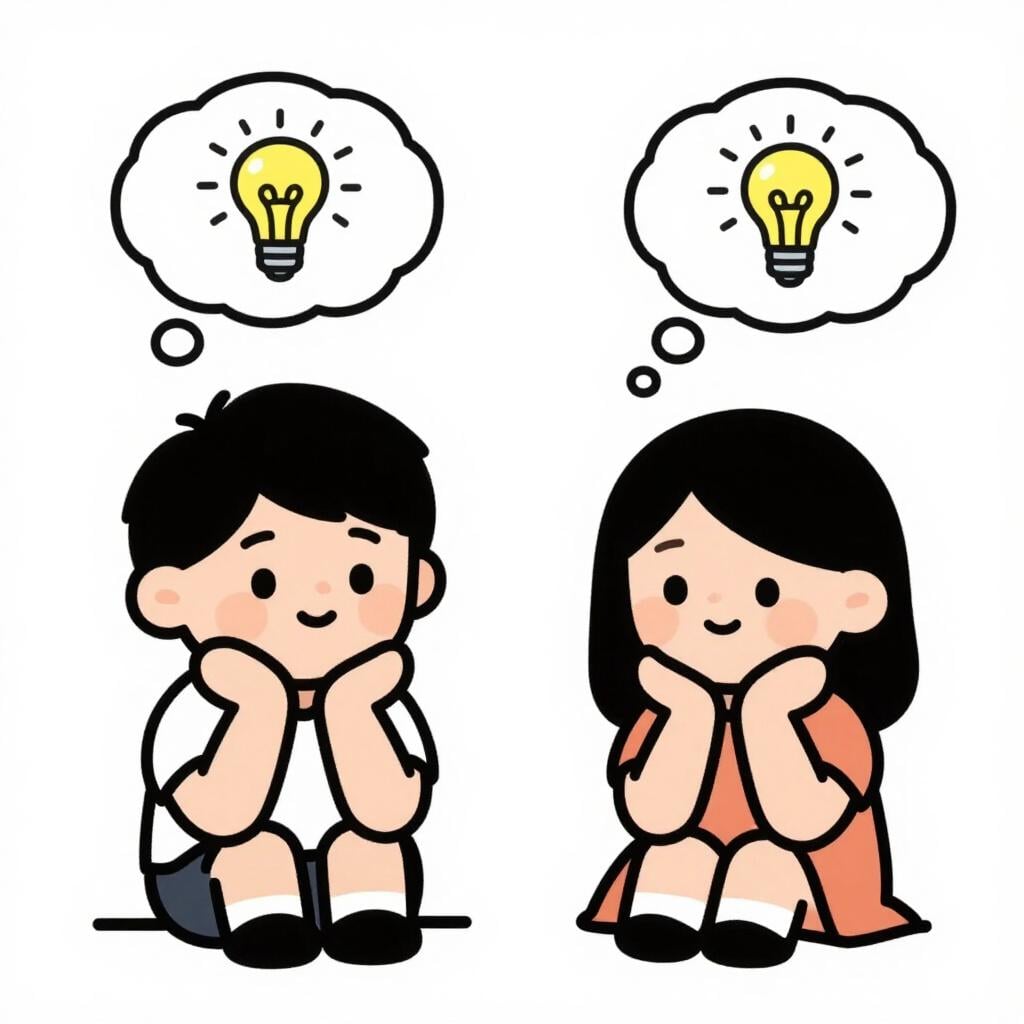
📝 In Action
¿Qué piensan ustedes sobre el nuevo plan?
A1What do you all think about the new plan?
Ellos piensan viajar a España este verano.
A2They are planning (or thinking of) traveling to Spain this summer.
Mis amigos piensan que la película fue aburrida.
A1My friends believe that the movie was boring.
Los científicos piensan en cómo resolver el problema.
B1The scientists are thinking about how to solve the problem.
Subjunctive
Imperfect Subjunctive
Present Subjunctive
Indicative
Preterite
Imperfect
Present
Translate to Spanish
✏️ Quick Practice
Quick Quiz: piensan
Question 1 of 2
Which English phrase best translates 'Ellos piensan en la cena'?
📚 More Resources
👥 Word Family▼
🎵 Rhymes▼
📚 Etymology▼
Comes from the Latin verb *pensāre*, which originally meant 'to weigh' or 'to calculate' (as in weighing goods or considering options). This connection evolved in Spanish to mean 'to consider' generally, and finally 'to think'.
First recorded: 10th century
Cognates (Related words)
💡 Master Spanish
Take your Spanish to the next level. Read 200+ illustrated and narrated Spanish stories tailored to your level with the Inklingo app!
Frequently Asked Questions
How do I know if 'piensan' means 'they think' or 'you (plural formal) think'?
You can usually tell by the context or if a pronoun is included. If you see 'Ellos/Ellas' or if the group is being discussed (like 'mis padres'), it means 'they.' If you see 'Ustedes' or are directly speaking to the group, it means 'you (all) think.'
Is 'piensan' irregular?
Yes, 'pensar' is a stem-changing verb, meaning the vowel in the middle of the verb changes from 'e' to 'ie' in most present tense forms, including 'piensan.' However, the endings follow the regular pattern for -ar verbs.