pierden
“pierden” means “they lose” in Spanish. It has 2 different meanings depending on context:
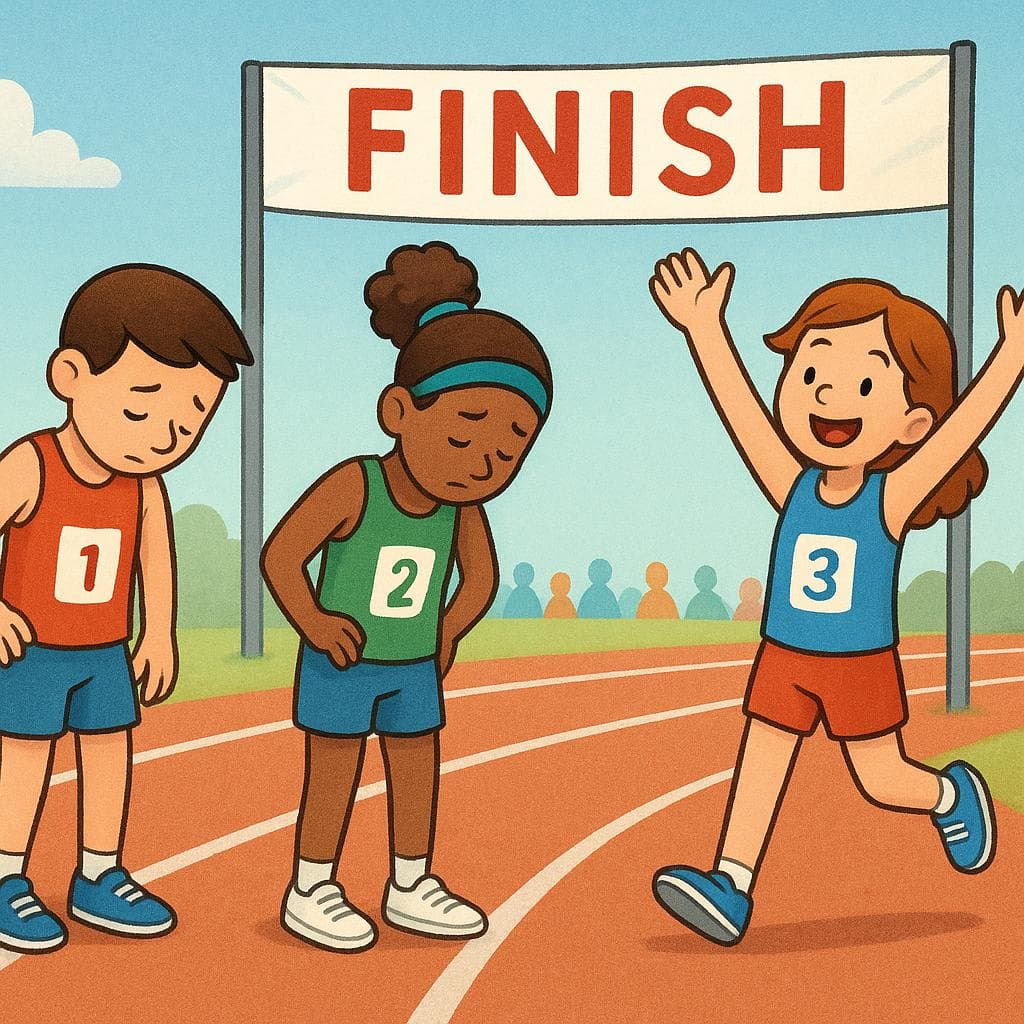
they lose, you all lose
Also: they fail
📝 In Action
Si no entrenan, siempre pierden los partidos.
A1If they don't train, they always lose the games.
Ustedes pierden la calma muy fácilmente.
B1You all lose your temper very easily.
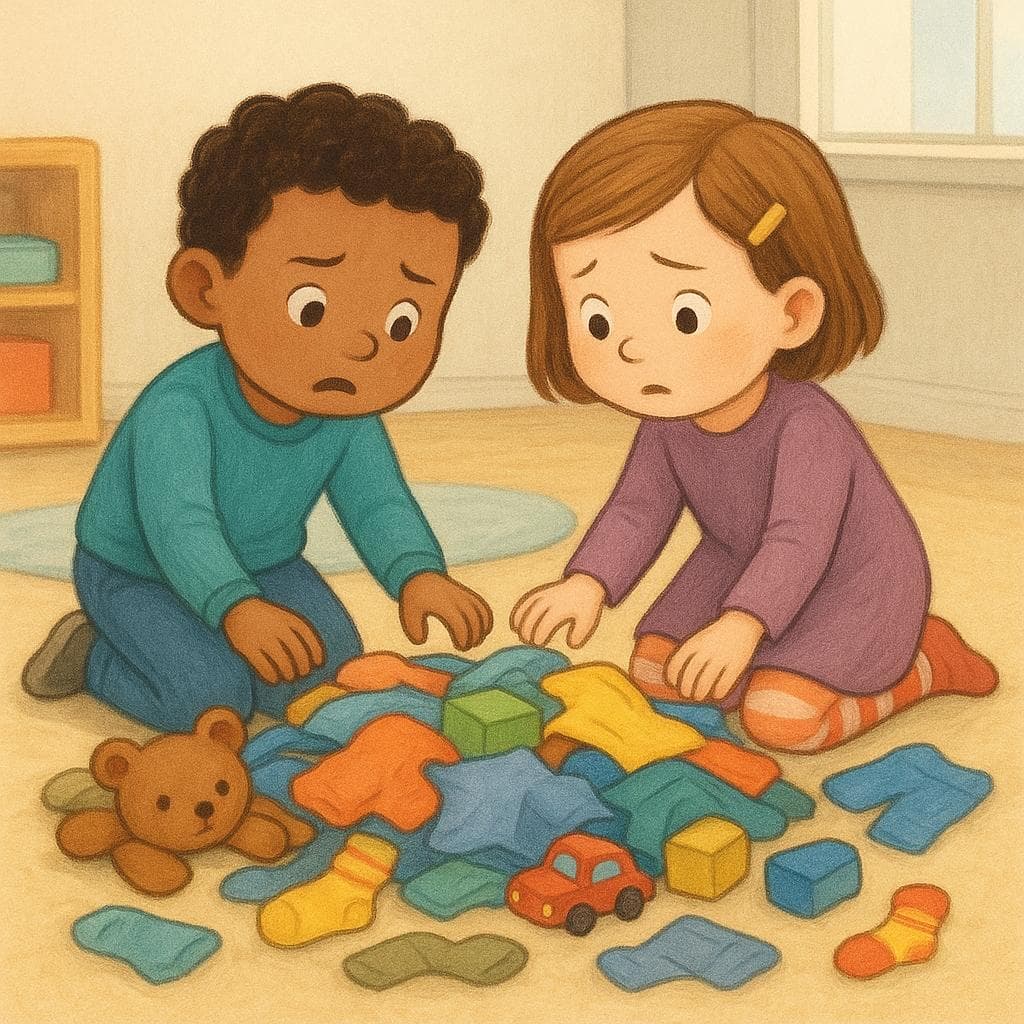
they misplace, they waste
Also: they miss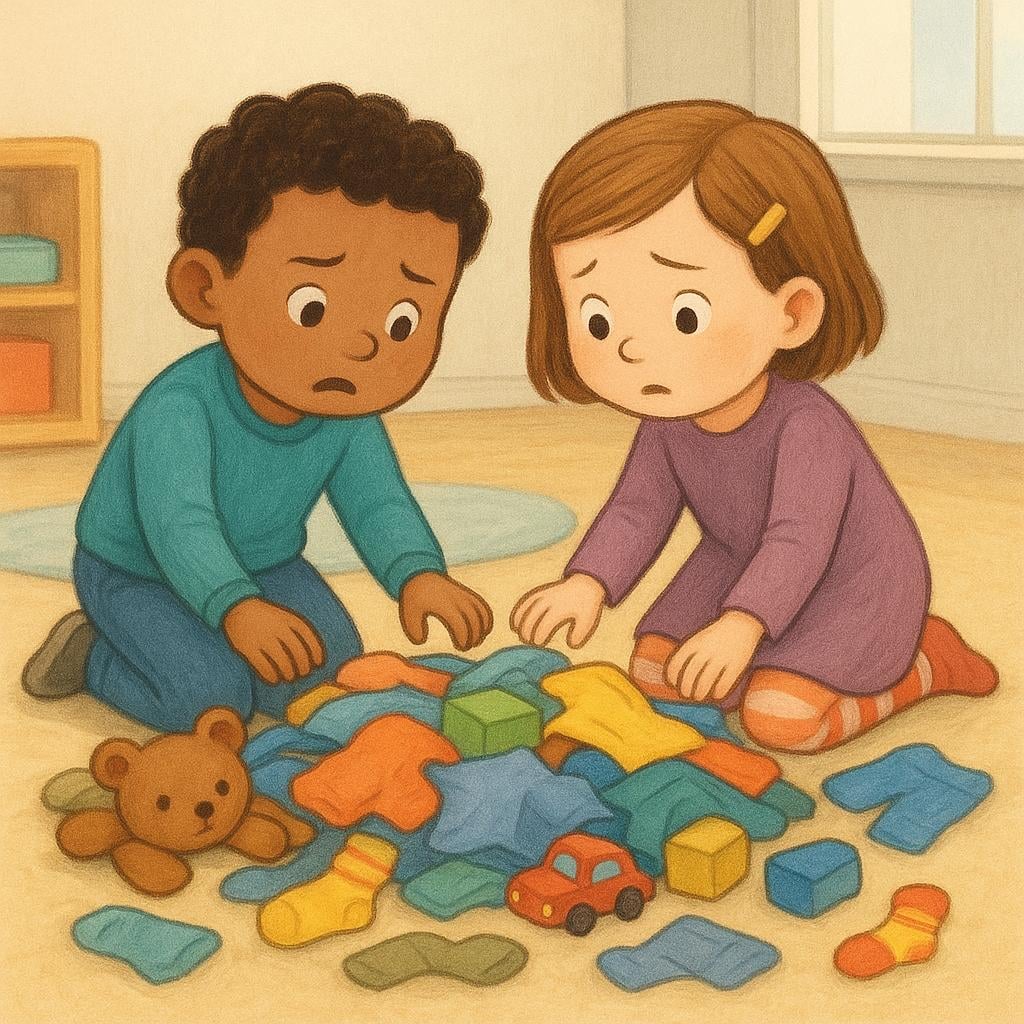
📝 In Action
Mis hijos siempre pierden sus juguetes nuevos.
A2My children always lose their new toys.
Si no se apuran, pierden el avión.
B1If they don't hurry up, they will miss the plane. (Used in the present tense to indicate future certainty)
Ellos pierden mucho dinero en apuestas.
A2They lose a lot of money on bets.
Indicative
Present
Imperfect
Preterite
Subjunctive
Present Subjunctive
Imperfect Subjunctive
Translate to Spanish
Words that translate to "pierden" in Spanish:
they fail→they lose→they misplace→they miss→they waste→✏️ Quick Practice
Quick Quiz: pierden
Question 1 of 2
Which sentence uses 'pierden' correctly in the sense of 'wasting time'?
📚 More Resources
🎵 Rhymes▼
📚 Etymology▼
Comes from the Latin verb *perdere*, which means 'to throw away' or 'to destroy,' highlighting the sense of something being gone forever.
First recorded: Old Spanish (around the 13th century)
Cognates (Related words)
💡 Master Spanish
Take your Spanish to the next level. Read 200+ illustrated and narrated Spanish stories tailored to your level with the Inklingo app!
Frequently Asked Questions
Why does 'pierden' have an 'ie' but 'perdemos' has an 'e'?
'Perder' is a stem-changing verb, sometimes called a 'boot verb'. The 'e' changes to 'ie' in most present tense forms ('yo', 'tú', 'él/ella/usted', 'ellos/ellas/ustedes') but stays 'e' for 'nosotros' and 'vosotros', which fall outside the 'boot' shape on the conjugation chart.
Can 'pierden' be used to talk about getting lost?
Yes, but it must be used with the reflexive pronoun 'se'. If a group is lost, you say 'Ellos se pierden' (They get lost). If they just lose a map, you say 'Ellos pierden el mapa' (They lose the map).