poderosos
“poderosos” means “powerful” in Spanish. It has 2 different meanings depending on context:


powerful, strong
Also: mighty, potent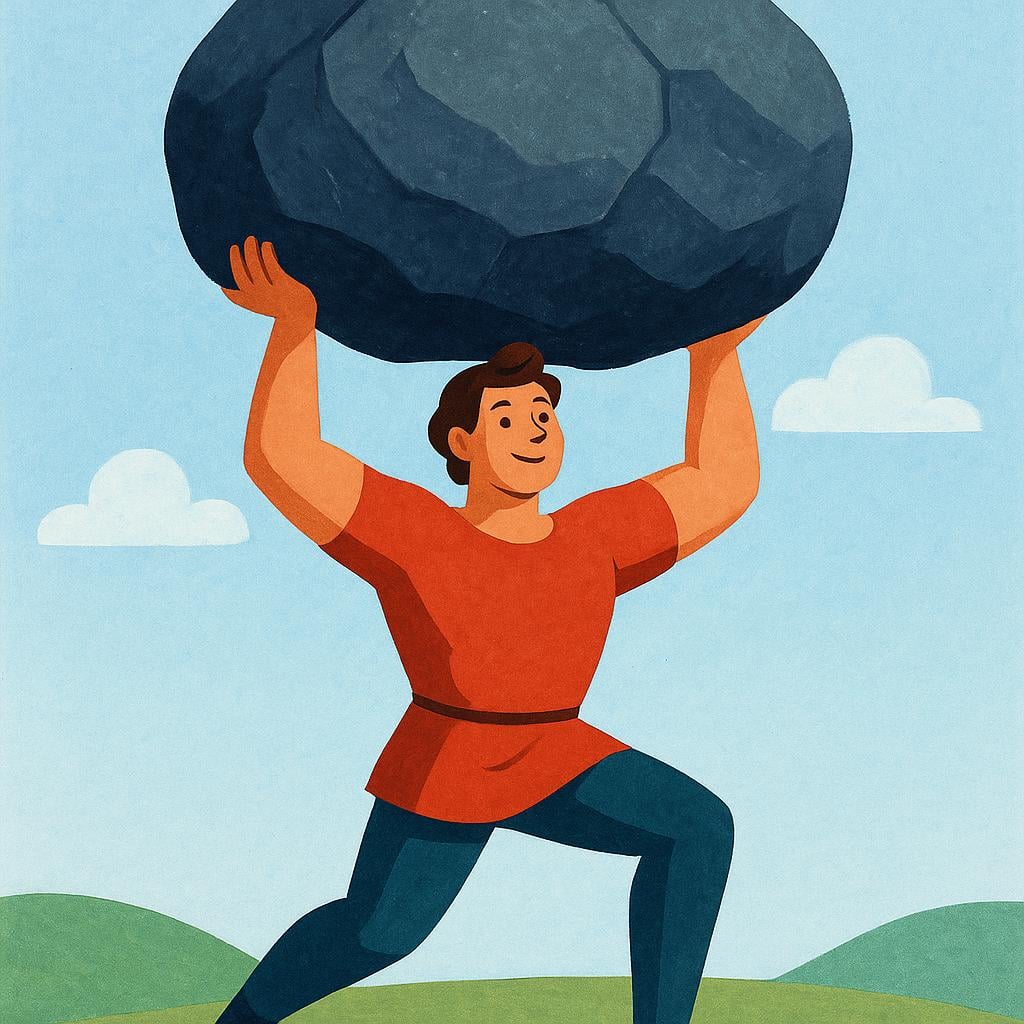
📝 In Action
Los ejércitos eran muy poderosos en aquella época.
B1The armies were very powerful in that era.
Necesitamos motores más poderosos para levantar la carga.
B2We need more powerful engines to lift the load.
Sus argumentos eran tan poderosos que nadie pudo refutarlos.
B2Their arguments were so strong that no one could refute them.
the powerful
Also: the elite, the mighty
📝 In Action
Los poderosos del mundo se reunirán para discutir la crisis.
B2The world's powerful (leaders) will meet to discuss the crisis.
Es difícil luchar contra los intereses de los poderosos.
C1It is difficult to fight against the interests of the powerful.
Translate to Spanish
✏️ Quick Practice
Quick Quiz: poderosos
Question 1 of 1
Which sentence uses 'poderosos' as a noun (referring to people)?
📚 More Resources
👥 Word Family▼
🎵 Rhymes▼
📚 Etymology▼
Comes from the Latin word *potens*, meaning 'able' or 'mighty.' It is directly related to the Spanish verb 'poder' (to be able to), showing that the concept of 'power' is rooted in the ability to act or do something.
First recorded: Around the 13th century in Spanish
Cognates (Related words)
💡 Master Spanish
Take your Spanish to the next level. Read 200+ illustrated and narrated Spanish stories tailored to your level with the Inklingo app!
Frequently Asked Questions
What is the difference between 'poderosos' and 'fuertes'?
'Fuertes' (strong) generally refers to physical strength or resilience (e.g., strong muscles, strong coffee). 'Poderosos' (powerful) usually refers to influence, authority, wealth, or intense capability (e.g., powerful leaders, a powerful argument). They are often interchangeable, but 'poderosos' carries a stronger connotation of control and might.
How do I form the singular version of this word?
The singular masculine form is 'poderoso' (e.g., un hombre poderoso). The singular feminine form is 'poderosa' (e.g., una mujer poderosa).