ponerlo
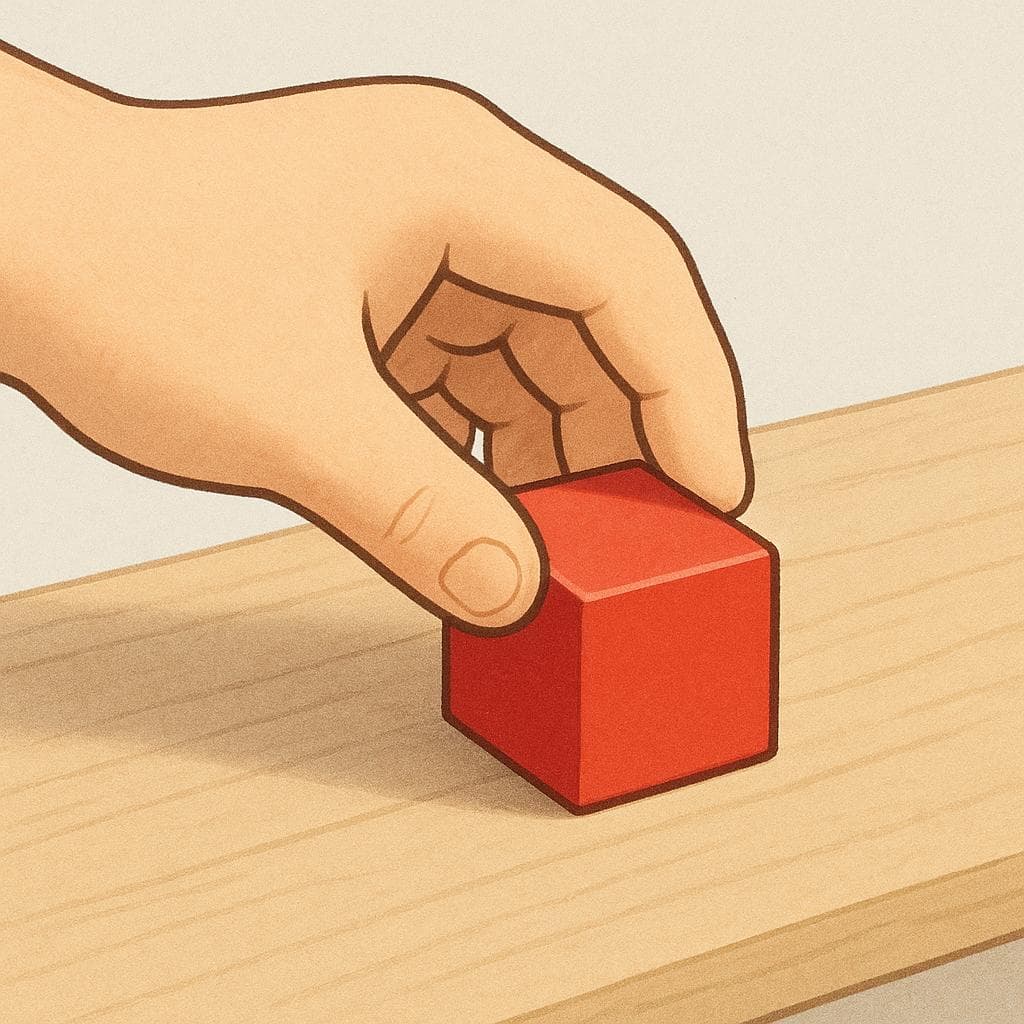
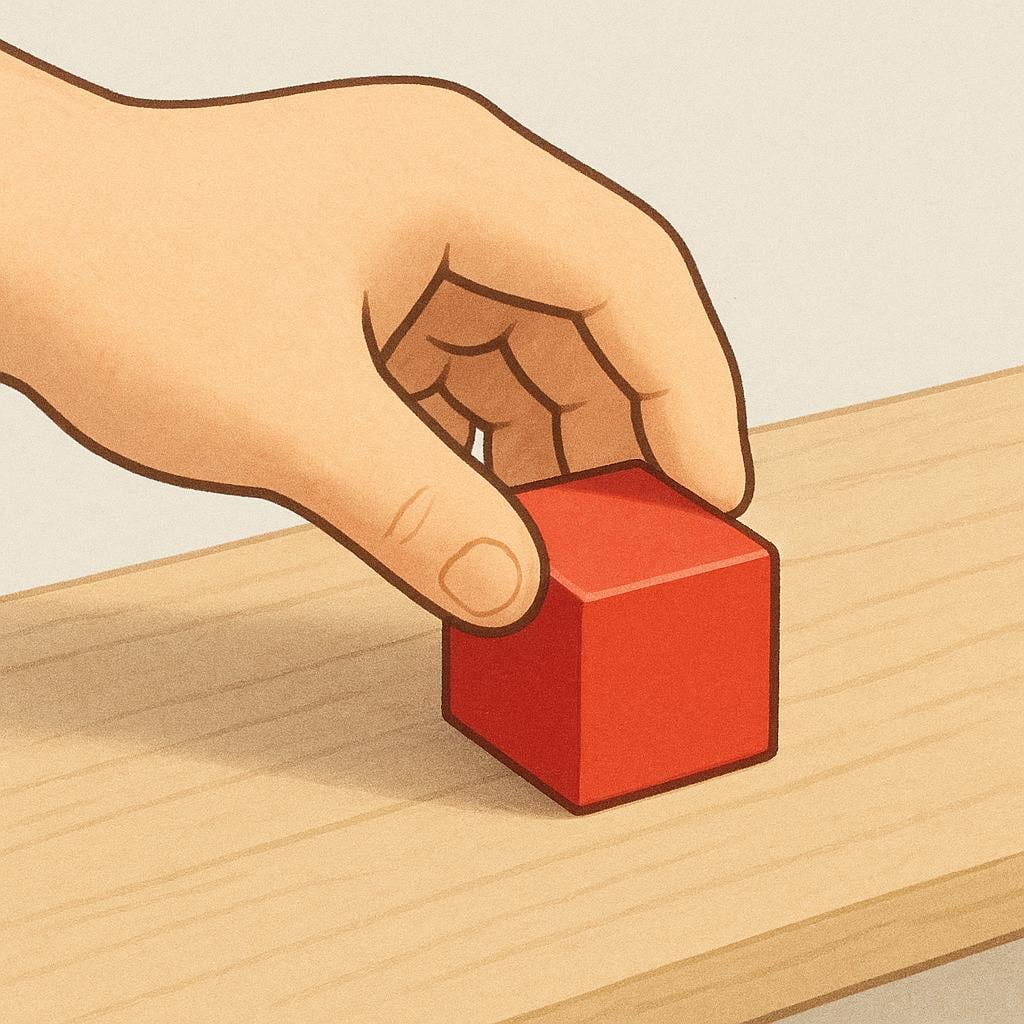
“ponerlo” means “to put it” in Spanish. It has 2 different meanings depending on context:

📝 In Action
Necesitas leer el libro antes de ponerlo en la estantería.
A1You need to read the book before putting it on the shelf.
No puedo ponerlo ahí, no hay espacio suficiente.
A2I can't put it there, there isn't enough space.
¿Dónde quieres que ponga el paquete? Quiero ponerlo cerca de la puerta.
B1Where do you want me to put the package? I want to put it near the door.
Word Connections

📝 In Action
Hace frío. ¿Puedes ponerlo (el calentador) en cinco minutos?
A2It's cold. Can you turn it (the heater) on in five minutes?
La radio no funciona. ¿Sabes cómo ponerlo?
B1The radio isn't working. Do you know how to turn it on?
La canción es genial. Vamos a ponerlo otra vez.
B2The song is great. Let's play it again.
Word Connections
Indicative
Present
Imperfect
Preterite
Subjunctive
Present Subjunctive
Imperfect Subjunctive
✏️ Quick Practice
Quick Quiz: ponerlo
Question 1 of 2
Which sentence correctly uses 'ponerlo'?
📚 More Resources
👥 Word Family
📚 Etymology
The verb 'poner' comes from the Latin verb *ponere*, which meant 'to place' or 'to set down.' The pronoun '-lo' is a direct continuation of the Latin pronoun *illum* ('that one'), which evolved into the word for 'it' or 'him.'
First recorded: The root verb 'poner' has been in use since the earliest forms of Castilian Spanish (around the 10th-12th centuries).
Cognates (Related words)
💡 Master Spanish
Take your Spanish to the next level. Read 200+ illustrated and narrated Spanish stories tailored to your level with the Inklingo app!
Frequently Asked Questions
When does 'lo' attach to the end of 'poner'?
The pronoun 'lo' attaches to the end of 'poner' only when 'poner' is in its infinitive form ('ponerlo'), the gerund form ('poniéndolo'), or an affirmative command form ('ponlo'). In all other tenses, 'lo' must go before the conjugated verb (e.g., 'Yo lo puse').
What if I want to say 'put them'?
If the objects you are putting are plural and masculine (like 'los vasos'), you would use the plural pronoun 'los' and say 'ponerlos.' If they are feminine (like 'las llaves'), you would use 'ponerlas.'