ponla
“ponla” means “put it” in Spanish (Referring to a feminine object like a table, chair, or shirt.).
put it, place it
Also: turn it on, set it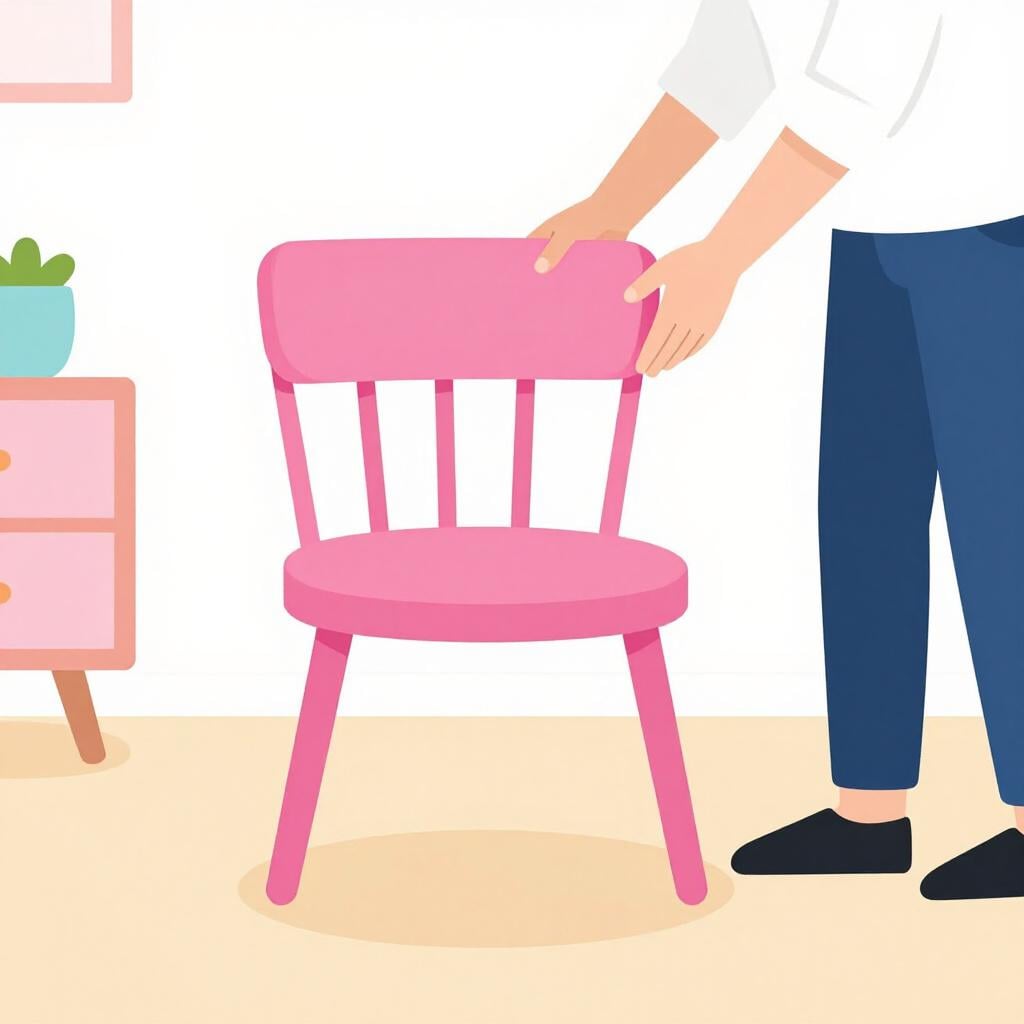
📝 In Action
Si la mesa está lista, ponla en el comedor.
A1If the table is ready, put it in the dining room.
¿Ves esa silla? Ponla allí, por favor.
A1Do you see that chair? Place it there, please.
Me gusta esa canción, ¡ponla otra vez!
A2I like that song, put it on again!
🔄 Conjugations
subjunctive
imperfect
present
indicative
preterite
imperfect
present
✏️ Quick Practice
Quick Quiz: ponla
Question 1 of 1
If you want someone to put a suitcase (la maleta) on the bed, what should you say?
📚 More Resources
👥 Word Family▼
🎵 Rhymes▼
📚 Etymology▼
Formed by combining 'pon' (from Latin 'ponere' meaning 'to place') and the pronoun 'la' (from Latin 'illa').
First recorded: The base verb 'poner' dates back to the 12th century.
Cognates (Related words)
💡 Master Spanish
Take your Spanish to the next level. Read 200+ illustrated and narrated Spanish stories tailored to your level with the Inklingo app!
Frequently Asked Questions
Why isn't it 'pon la'?
In Spanish, object pronouns (like 'la') must be physically attached to the end of affirmative command verbs to form a single word.
What is the difference between 'ponlo' and 'ponla'?
You use 'ponlo' for masculine objects (like 'el plato') and 'ponla' for feminine objects (like 'la taza').