pupila
“pupila” means “pupil” in Spanish. It has 2 different meanings depending on context:

pupilAlso: eye

📝 In Action
Las pupilas se dilatan cuando hay poca luz.
B1The pupils dilate when there is little light.
El médico examinó su pupila con una linterna pequeña.
B1The doctor examined her pupil with a small flashlight.
Sus pupilas brillaban de emoción al ver el regalo.
B2Her eyes (pupils) sparkled with excitement upon seeing the gift.
Word Connections
wardAlso: boarder
📝 In Action
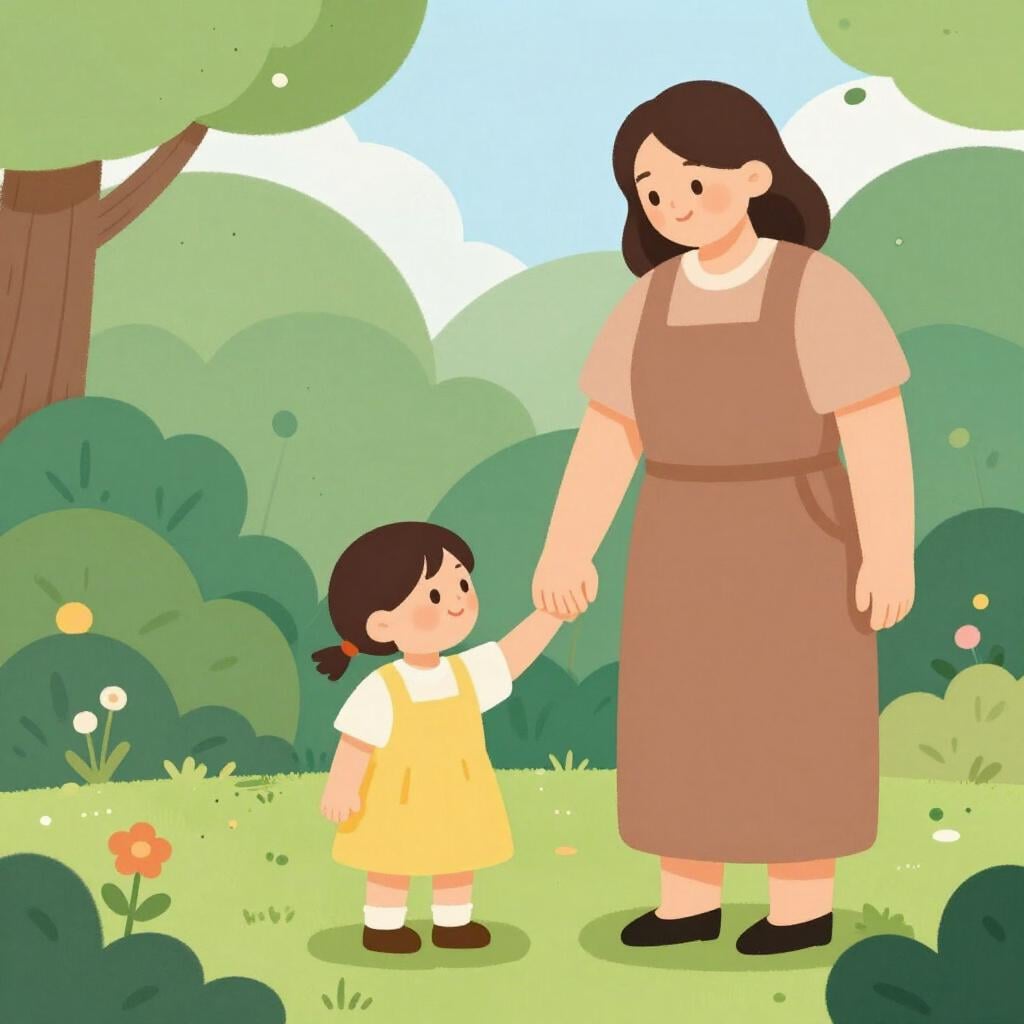
La joven pupila quedó bajo la protección de su tío.
C1The young ward remained under her uncle's protection.
Había tres pupilas nuevas en la casa de huéspedes.
C2There were three new female boarders in the guest house.
El tutor debe velar por los bienes de su pupila.
C1The guardian must look after his ward's assets.
Word Connections
✏️ Quick Practice
Quick Quiz: pupila
Question 1 of 3
Which part of the body is a 'pupila'?
📚 More Resources
👥 Word Family
📚 Etymology
From the Latin word 'pupilla,' which is a tiny version of 'pupa' (doll). It was named this because if you look closely into someone's eye, you see a tiny 'doll-like' reflection of yourself.
First recorded: 13th century
Cognates (Related words)
💡 Master Spanish
Take your Spanish to the next level. Read 200+ illustrated and narrated Spanish stories tailored to your level with the Inklingo app!
Frequently Asked Questions
Is 'pupila' related to the word for student in English?
Yes! Both English and Spanish use the same root. In Spanish, however, the 'eye' meaning is much more common than the 'student' meaning.
How do you say 'dilated pupils' in Spanish?
You say 'pupilas dilatadas'.
Can 'pupila' be masculine?
If you are talking about the eye, no—it is always 'la pupila'. If you are talking about a male ward or boarder, you change the word to 'el pupilo'.