How to Say "boarder" in Spanish
The most common Spanish word for “boarder” is “huésped” — use 'huésped' when referring to anyone, regardless of gender, who is paying for accommodation and meals in a private home or establishment.
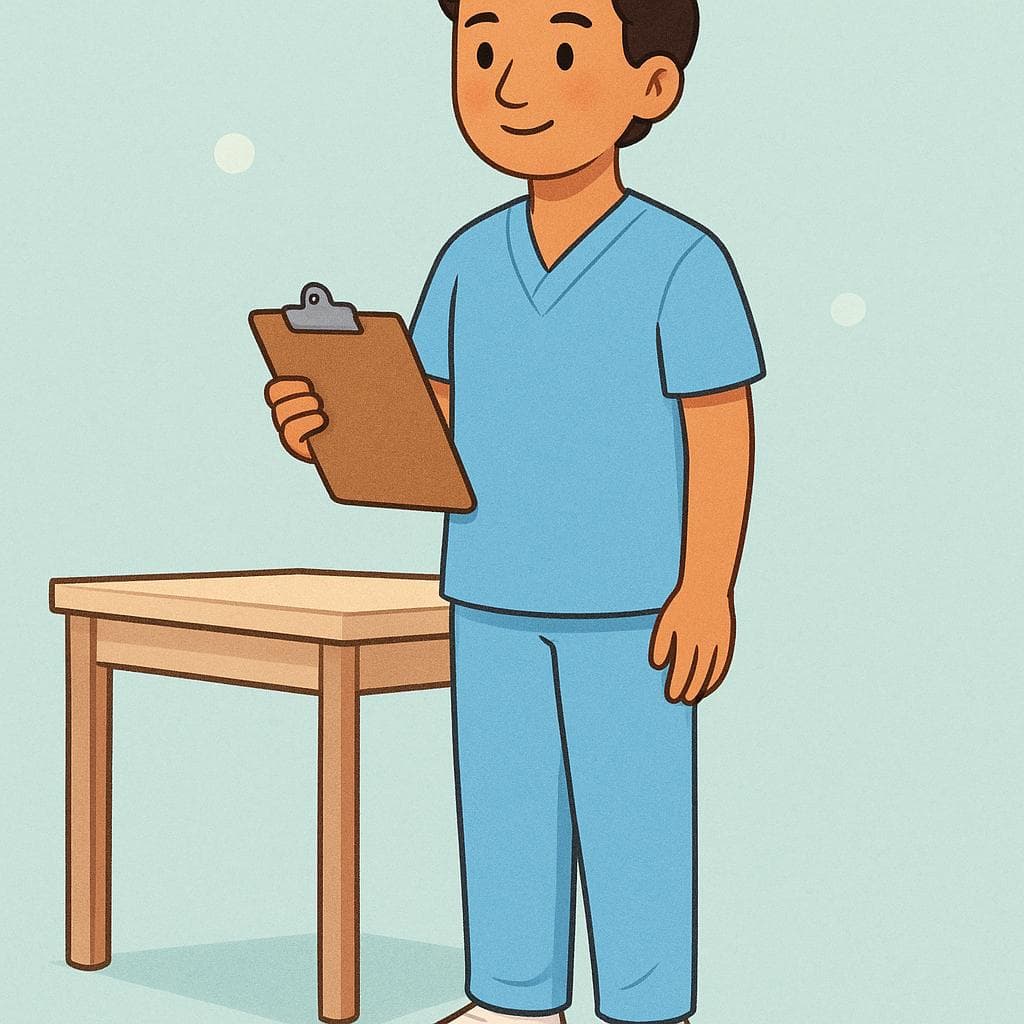
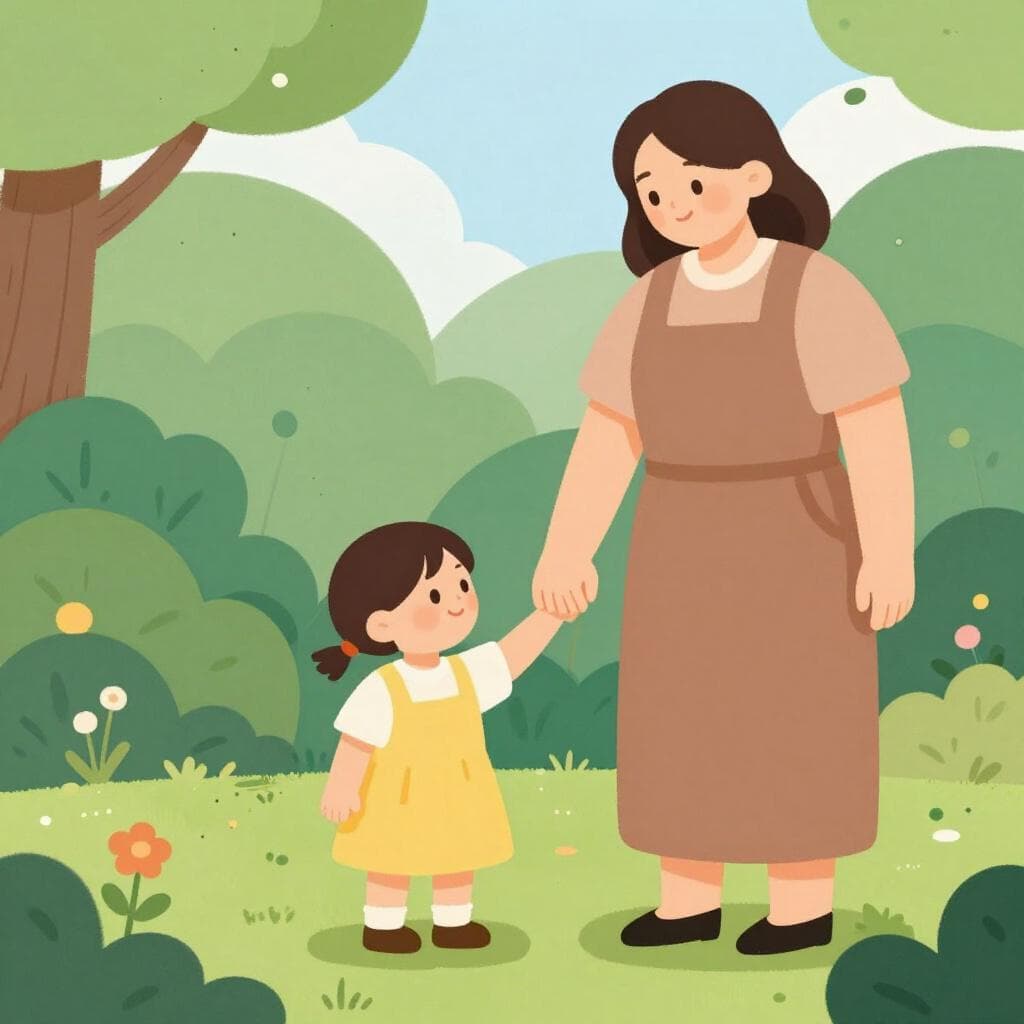
huésped
Examples
¿Cuántos huéspedes se alojan en tu casa este fin de semana?
How many guests are staying at your house this weekend?
interno
een-TEHR-nohinˈteɾno
Examples
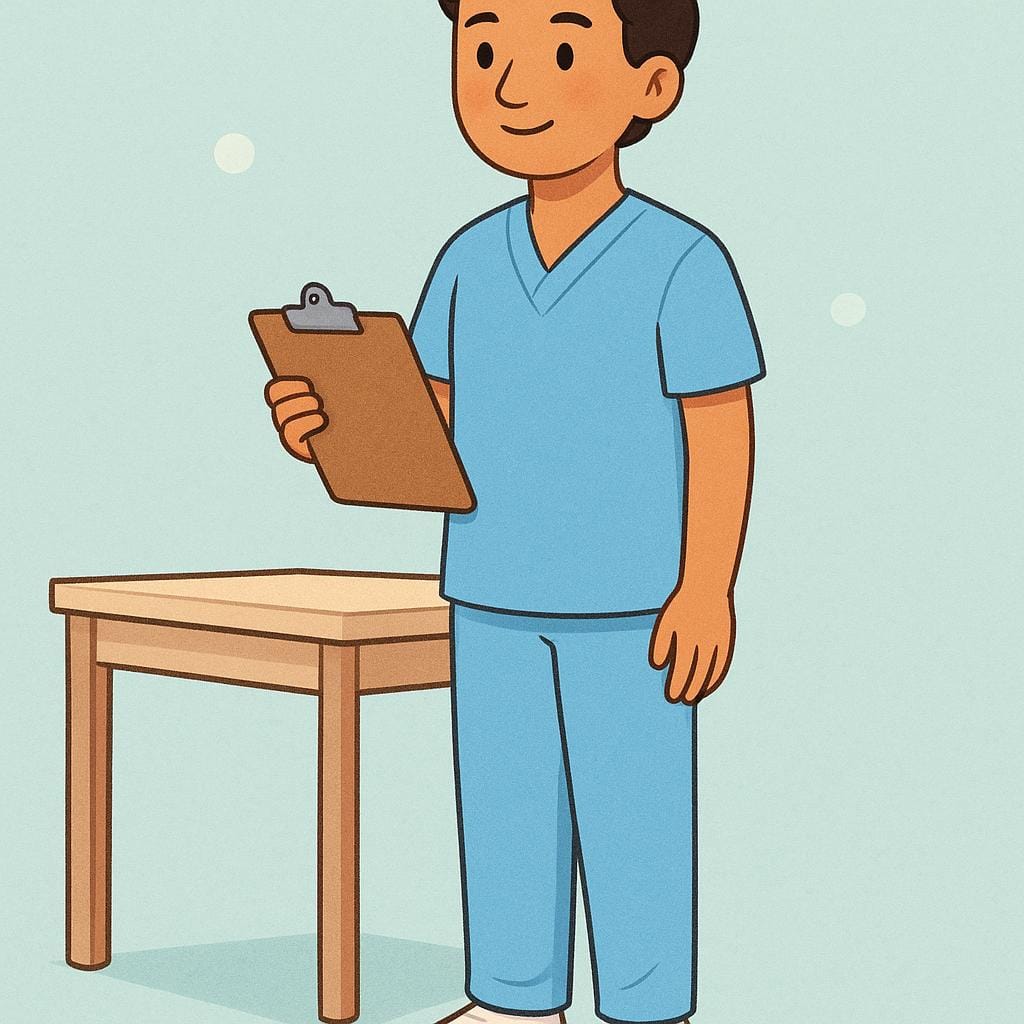
El interno de cirugía trabaja 60 horas a la semana.
The surgical intern (or resident) works 60 hours a week.
Todos los internos del colegio deben seguir las reglas estrictamente.
All the boarders at the school must follow the rules strictly.
Mañana le preguntaré al interno sobre mis resultados.
Tomorrow I will ask the resident about my results.
Using the Feminine Form
When referring to a female person who is an intern or resident, the word changes to 'la interna'.
Confusing 'Interno' with 'Becario'
Mistake: “Using 'interno' for a general office intern or trainee who doesn't live at the workplace.”
Correction: For standard office trainees or unpaid apprenticeships, 'becario' or 'pasante' is usually better. 'Interno' often implies living within the institution (like a hospital or boarding school).
pupila
poo-PEE-lahpuˈpila
Examples
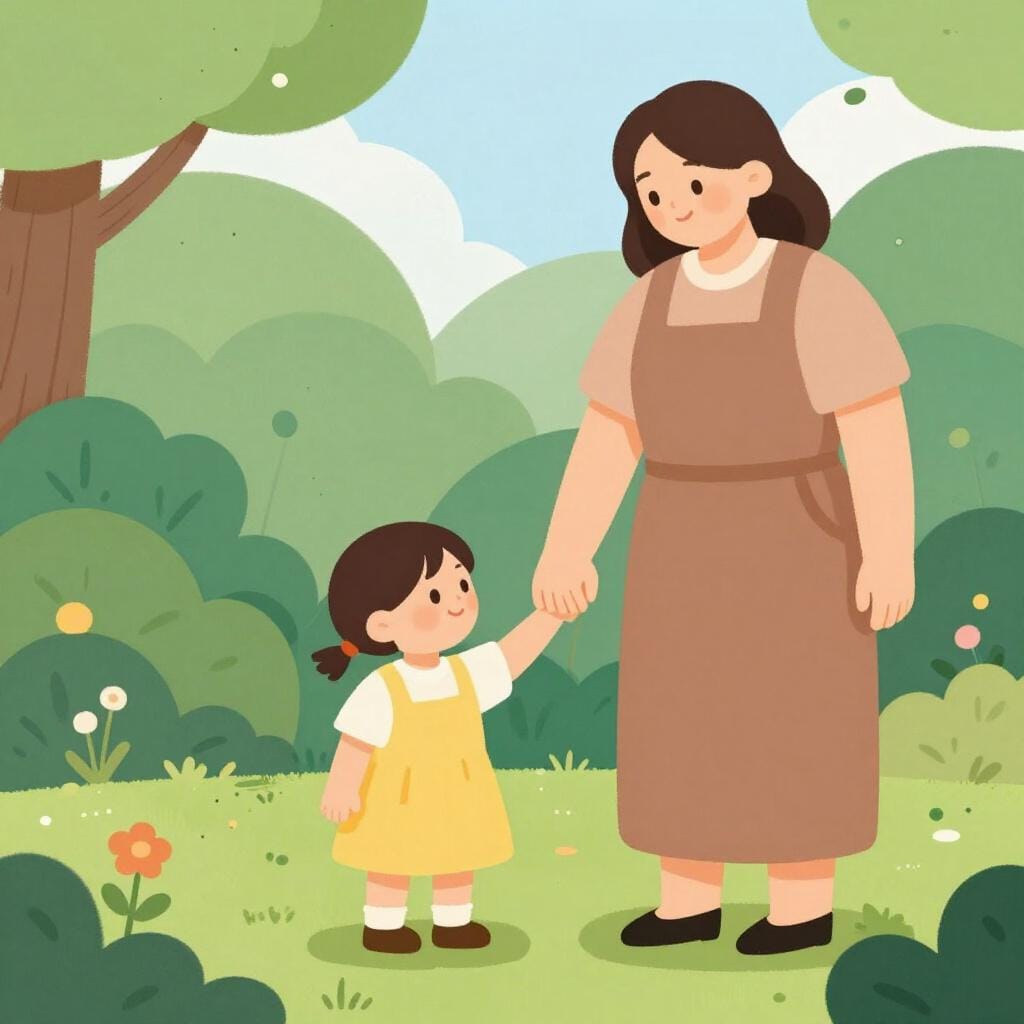
La joven pupila quedó bajo la protección de su tío.
The young ward remained under her uncle's protection.
Había tres pupilas nuevas en la casa de huéspedes.
There were three new female boarders in the guest house.
El tutor debe velar por los bienes de su pupila.
The guardian must look after his ward's assets.
Gender Change for People
When referring to a person, use 'la pupila' for a female and 'el pupilo' for a male.
Gender and Specificity
Learn Spanish with Inklingo
Interactive stories, personalized learning, and more.