pálido
“pálido” means “pale” in Spanish. It has 2 different meanings depending on context:

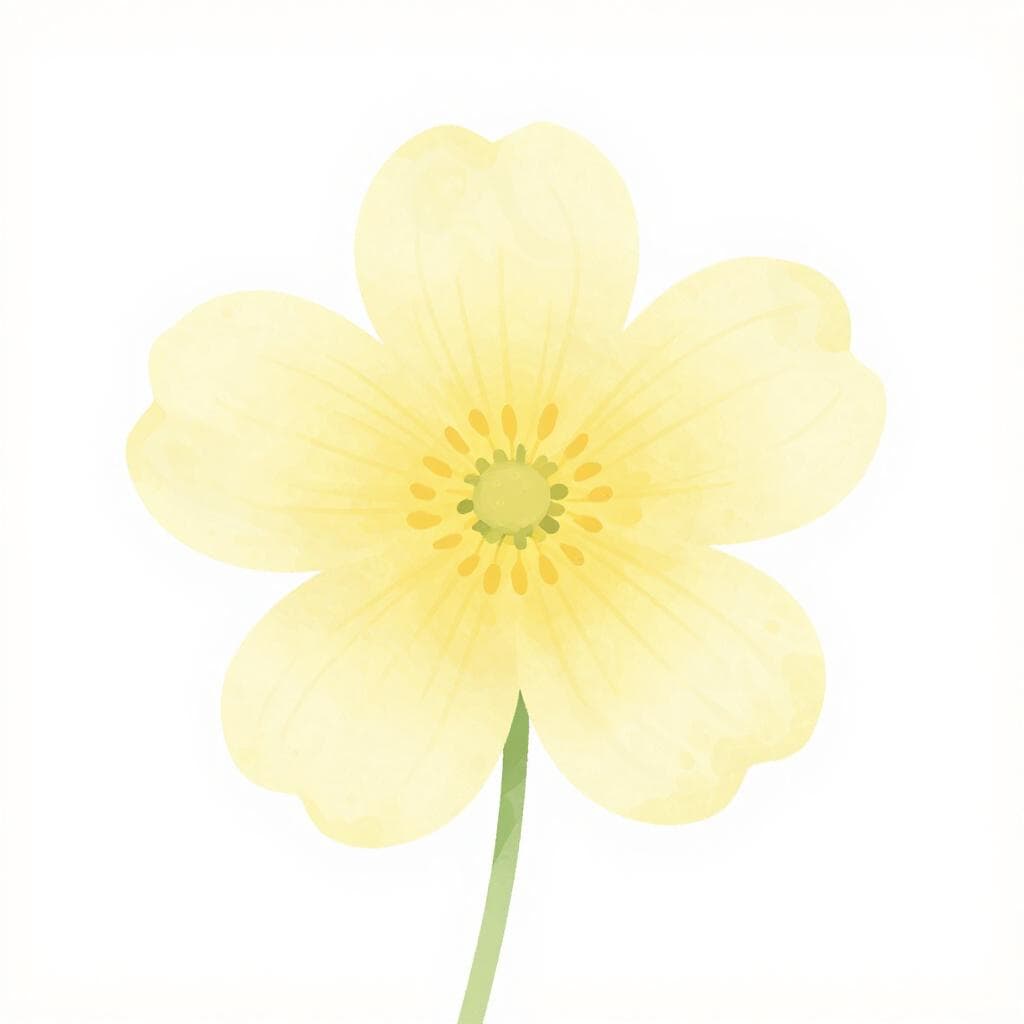
paleAlso: pasty, shocked

📝 In Action
Estás muy pálido, ¿te sientes bien?
A1You are very pale, do you feel okay?
Ella se puso pálida cuando vio el accidente.
A2She turned pale when she saw the accident.
Su rostro pálido reflejaba el miedo que sentía.
B1His pale face reflected the fear he was feeling.
Word Connections
light / faintAlso: dim
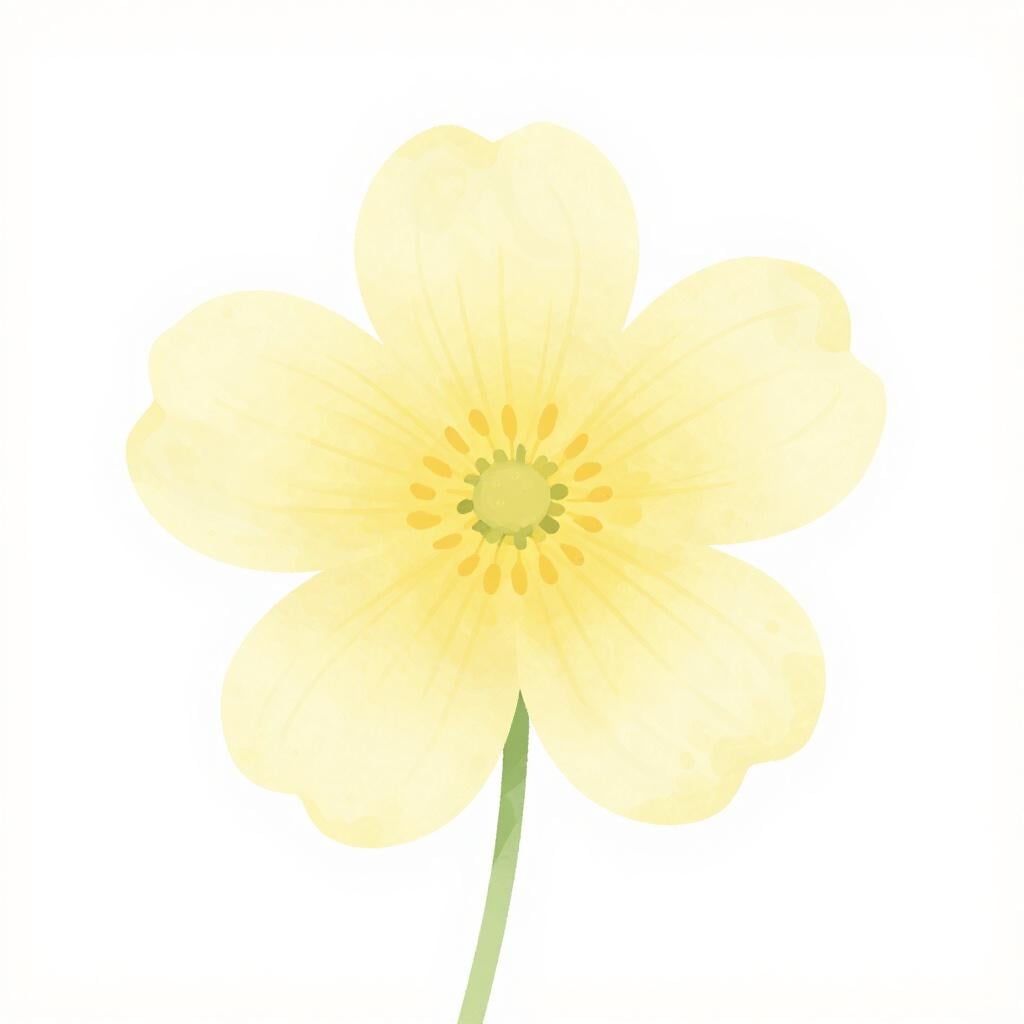
📝 In Action
Me gusta ese tono azul pálido para las paredes.
A2I like that light blue tone for the walls.
La luz pálida de la luna entraba por la ventana.
B1The faint moonlight was coming through the window.
Pintó un cuadro con colores pálidos y suaves.
B2He painted a picture with pale and soft colors.
Word Connections
✏️ Quick Practice
Quick Quiz: pálido
Question 1 of 3
Which verb would you use to say someone looks pale right now because they are scared?
📚 More Resources
👥 Word Family
🎵 Rhymes
📚 Etymology
From the Latin 'pallidus', which was used to describe someone who lacked color or was wan.
First recorded: 13th century
Cognates (Related words)
💡 Master Spanish
Take your Spanish to the next level. Read 200+ illustrated and narrated Spanish stories tailored to your level with the Inklingo app!
Frequently Asked Questions
Is 'pálido' always used for sickness?
No, it can be used for light colors (like pale yellow) or for someone's natural fair skin tone.
What's the difference between 'claro' and 'pálido' for colors?
'Claro' just means light. 'Pálido' implies the color is weak, faint, or very washed out.
Can I use 'pálido' to describe a dark-skinned person who looks unwell?
Yes, in Spanish 'ponerse pálido' is used for anyone whose skin loses its usual healthy tone due to shock or illness, regardless of their natural skin color.