How to Say "pasty" in Spanish
The most common Spanish word for “pasty” is “pálido” — use 'pálido' to describe someone who looks unusually pale, often indicating they are unwell or have seen something shocking.

PAH-lee-dohˈpa.li.ðo

Examples
Estás muy pálido, ¿te sientes bien?
You are very pale, do you feel okay?
Ella se puso pálida cuando vio el accidente.
She turned pale when she saw the accident.
Su rostro pálido reflejaba el miedo que sentía.
His pale face reflected the fear he was feeling.
Matching the Noun
This word must change its ending to match what you are describing: 'el hombre pálido' (masculine), 'la mujer pálida' (feminine), or 'las caras pálidas' (plural).
Ser vs. Estar
Use 'ser' if someone is naturally pale as a permanent trait. Use 'estar' if they look pale right now because they are sick or scared.
Confusing 'blanco' and 'pálido'
Mistake: “Mi amigo es muy blanco hoy.”
Correction: Mi amigo está muy pálido hoy. Use 'pálido' for a lack of healthy color; 'blanco' usually refers to the color white itself or race.
pas-TELpasˈtɛl
Examples
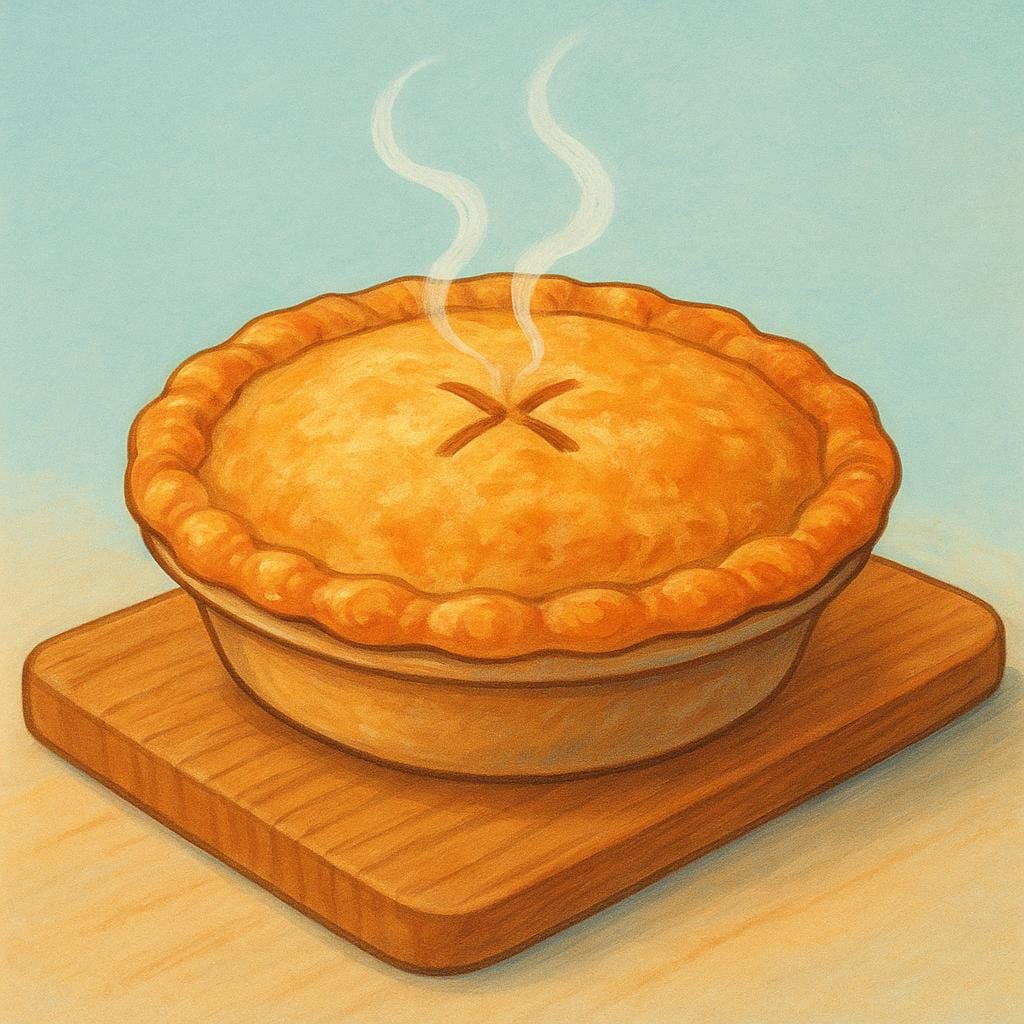
Mi abuela prepara un delicioso pastel de papa con queso.
My grandmother makes a delicious potato pie with cheese (or shepherd's pie).
Pedimos un pastel de carne en el restaurante.
We ordered a meat pie at the restaurant.
Food vs. Appearance
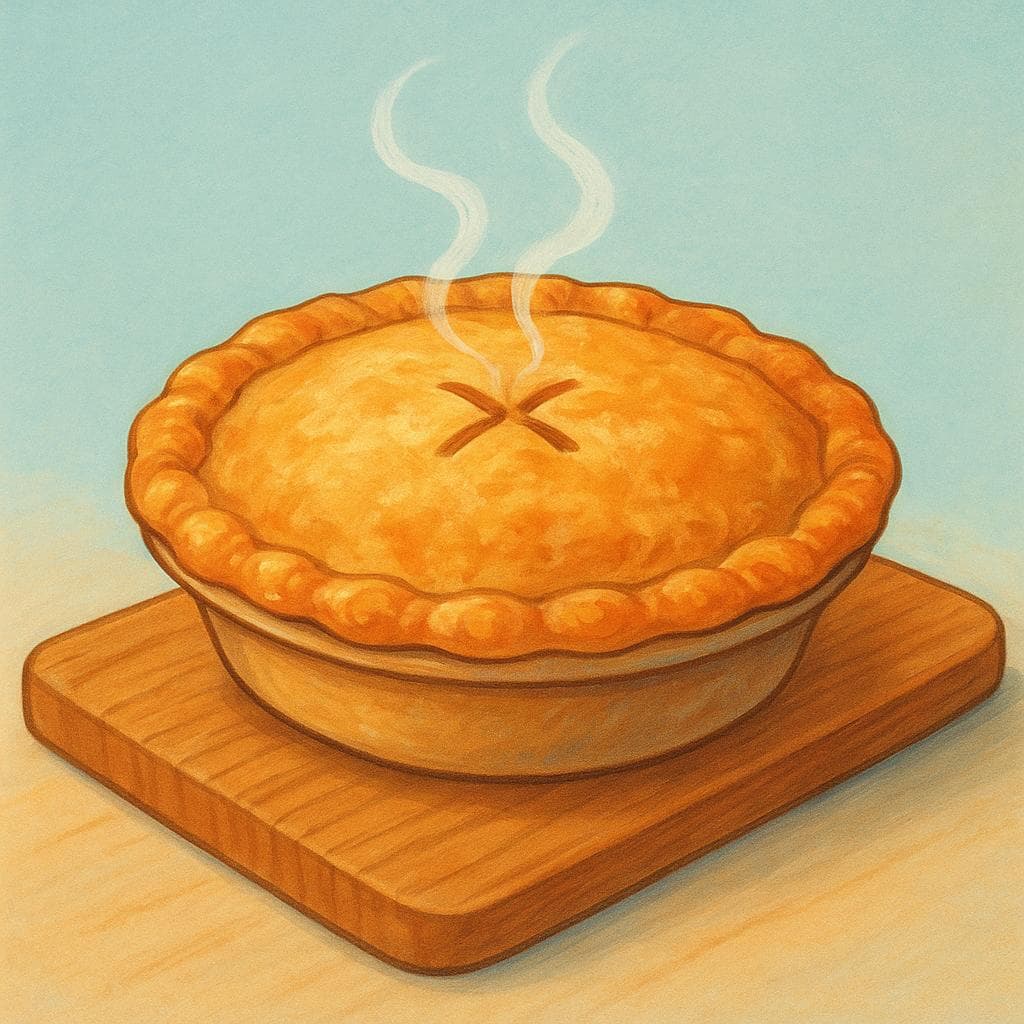
The most common mistake is confusing 'pastel' (food) with 'pálido' (appearance). Remember that 'pálido' describes how someone looks, while 'pastel' refers to a specific type of savory pastry.
Related Translations
Learn Spanish with Inklingo
Interactive stories, personalized learning, and more.