rígido
“rígido” means “stiff” in Spanish. It has 2 different meanings depending on context:
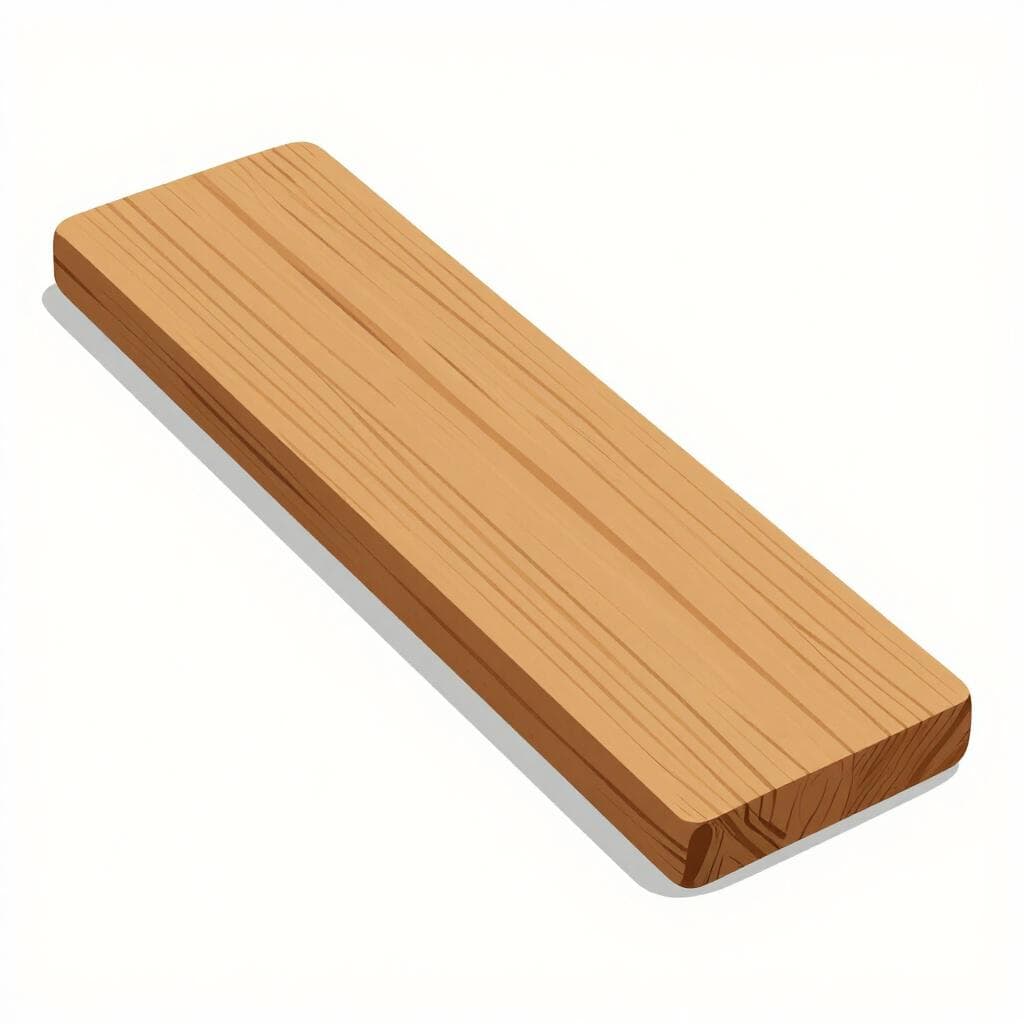

stiff, rigidAlso: hard
📝 In Action
El plástico se vuelve rígido cuando se enfría.
B1The plastic becomes rigid when it cools down.
Me desperté con el cuello muy rígido.
B1I woke up with a very stiff neck.
El soporte debe ser rígido para aguantar el peso.
B2The support must be rigid to hold the weight.
Word Connections
strict, inflexibleAlso: rigorous

📝 In Action
Mi jefe tiene un horario muy rígido.
B2My boss has a very rigid schedule.
Las normas de la escuela son muy rígidas.
B2The school rules are very strict.
No seas tan rígido, a veces hay que improvisar.
C1Don't be so inflexible; sometimes you have to improvise.
Word Connections
Translate to Spanish
Words that translate to "rígido" in Spanish:
✏️ Quick Practice
Quick Quiz: rígido
Question 1 of 3
If you have a 'cuello rígido', what is wrong?
📚 More Resources
👥 Word Family
🎵 Rhymes
📚 Etymology
From the Latin 'rigidus' meaning stiff, numb, or hard, which comes from the verb 'rigere' (to be stiff).
First recorded: 15th century
Cognates (Related words)
💡 Master Spanish
Take your Spanish to the next level. Read 200+ illustrated and narrated Spanish stories tailored to your level with the Inklingo app!
Frequently Asked Questions
Is 'rígido' always a bad thing?
Not necessarily. While it can mean someone is 'inflexible' (negative), it is also used positively for 'solid support' in construction or 'disciplined' structures.
What's the difference between 'rígido' and 'tieso'?
'Rígido' sounds slightly more formal or scientific. 'Tieso' is often used for things that are physically stuck or standing straight, like 'standing stiff as a board'.
Can I use 'rígido' for a cold temperature?
No. Use 'frío' or 'gélido'. While 'rígido' comes from a root meaning 'frozen stiff', it doesn't describe the temperature itself in modern Spanish.