rebelión
“rebelión” means “rebellion” in Spanish. It has 2 different meanings depending on context:
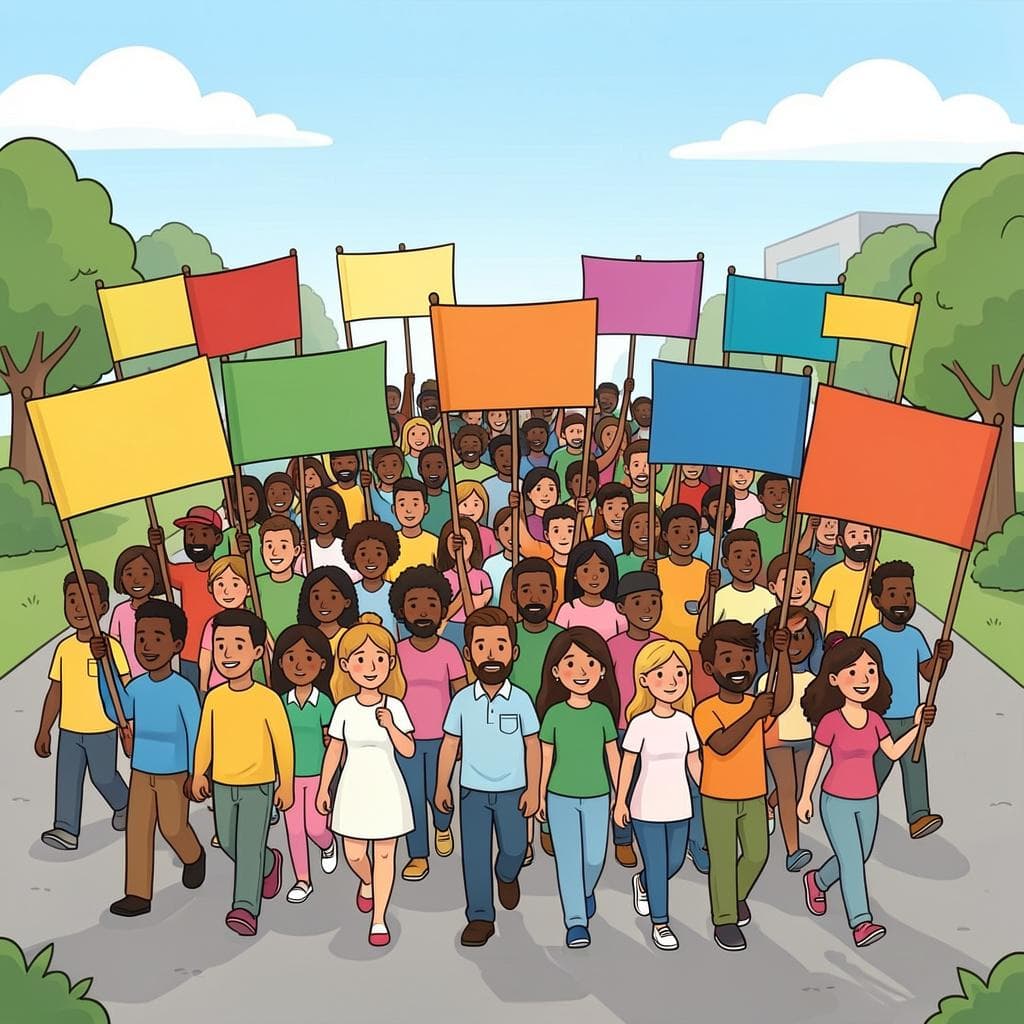

rebellion
Also: uprising, revolt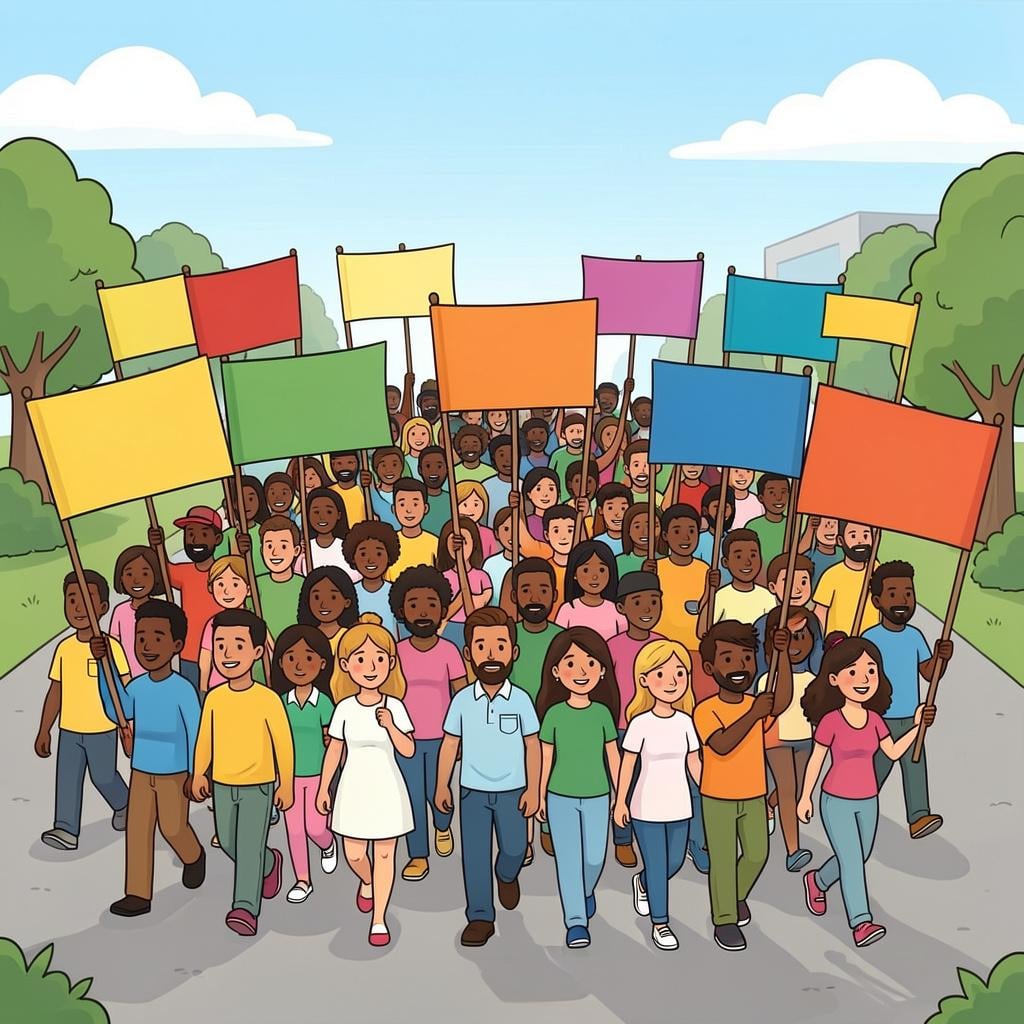
📝 In Action
La rebelión comenzó en la capital.
A2The rebellion started in the capital.
Fue una rebelión pacífica por los derechos civiles.
B1It was a peaceful uprising for civil rights.
defiance
Also: resistance
📝 In Action
Su rebelión contra las reglas de la escuela le trajo problemas.
B2His defiance against the school rules brought him trouble.
✏️ Quick Practice
Quick Quiz: rebelión
Question 1 of 1
Which of these describes a group of people trying to change their government by force?
📚 More Resources
🎵 Rhymes▼
📚 Etymology▼
From the Latin word 'rebellio', which combined 're-' (again) and 'bellum' (war). It originally described people who started a war again after being defeated.
First recorded: 13th century
Cognates (Related words)
💡 Master Spanish
Take your Spanish to the next level. Read 200+ illustrated and narrated Spanish stories tailored to your level with the Inklingo app!
Frequently Asked Questions
Is 'rebelión' always violent?
Not necessarily. While it often implies a struggle, it can be described as 'pacífica' (peaceful) if it involves non-violent resistance.
What is the plural of 'rebelión'?
The plural is 'rebeliones'. Note that when you add the 'es', the accent mark on the 'o' disappears.