retiró
“retiró” means “removed / took away” in Spanish (moving an object from a place).
removed / took away
Also: withdrew, retracted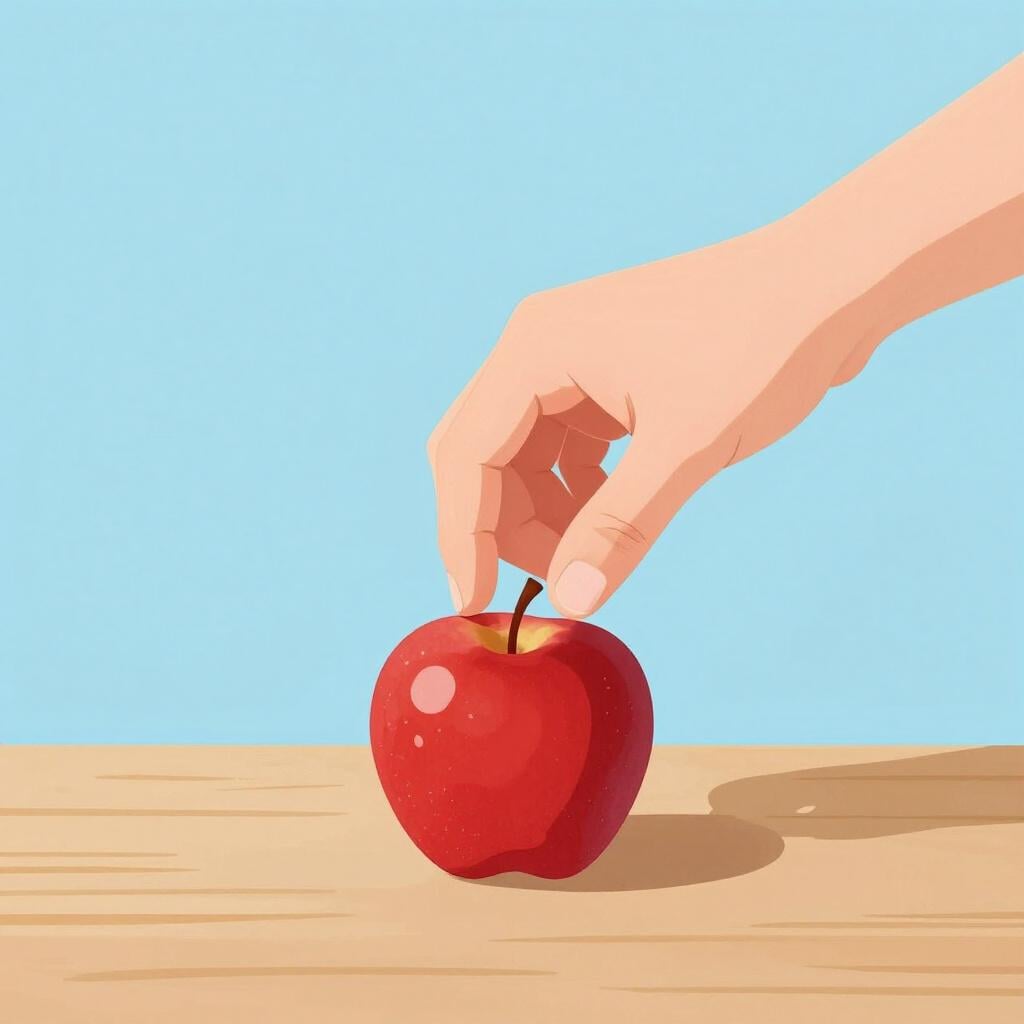
📝 In Action
El mesero retiró los platos sucios de la mesa.
A2The waiter removed the dirty plates from the table.
Ella retiró todo su dinero del banco ayer.
B1She withdrew all her money from the bank yesterday.
El político retiró su candidatura después del escándalo.
B2The politician withdrew his candidacy after the scandal.
Subjunctive
Imperfect Subjunctive
Present Subjunctive
Indicative
Preterite
Imperfect
Present
Translate to Spanish
✏️ Quick Practice
Quick Quiz: retiró
Question 1 of 1
If you say 'Él retiró su palabra', what did he do?
📚 More Resources
👥 Word Family▼
📚 Etymology▼
Comes from the verb 'retirar', which was influenced by French 'retirer'. It basically means 'to pull back' (re- back + tirer- pull).
First recorded: 16th century
Cognates (Related words)
💡 Master Spanish
Take your Spanish to the next level. Read 200+ illustrated and narrated Spanish stories tailored to your level with the Inklingo app!
Frequently Asked Questions
What is the difference between 'retiró' and 'se retiró'?
'Retiró' means he/she removed something else (like money or a plate). 'Se retiró' usually means he/she removed themselves, like going to bed or retiring from a job.