retractar
“retractar” means “to retract” in Spanish (to take back a public statement or promise).
to retract
Also: to recant, to take back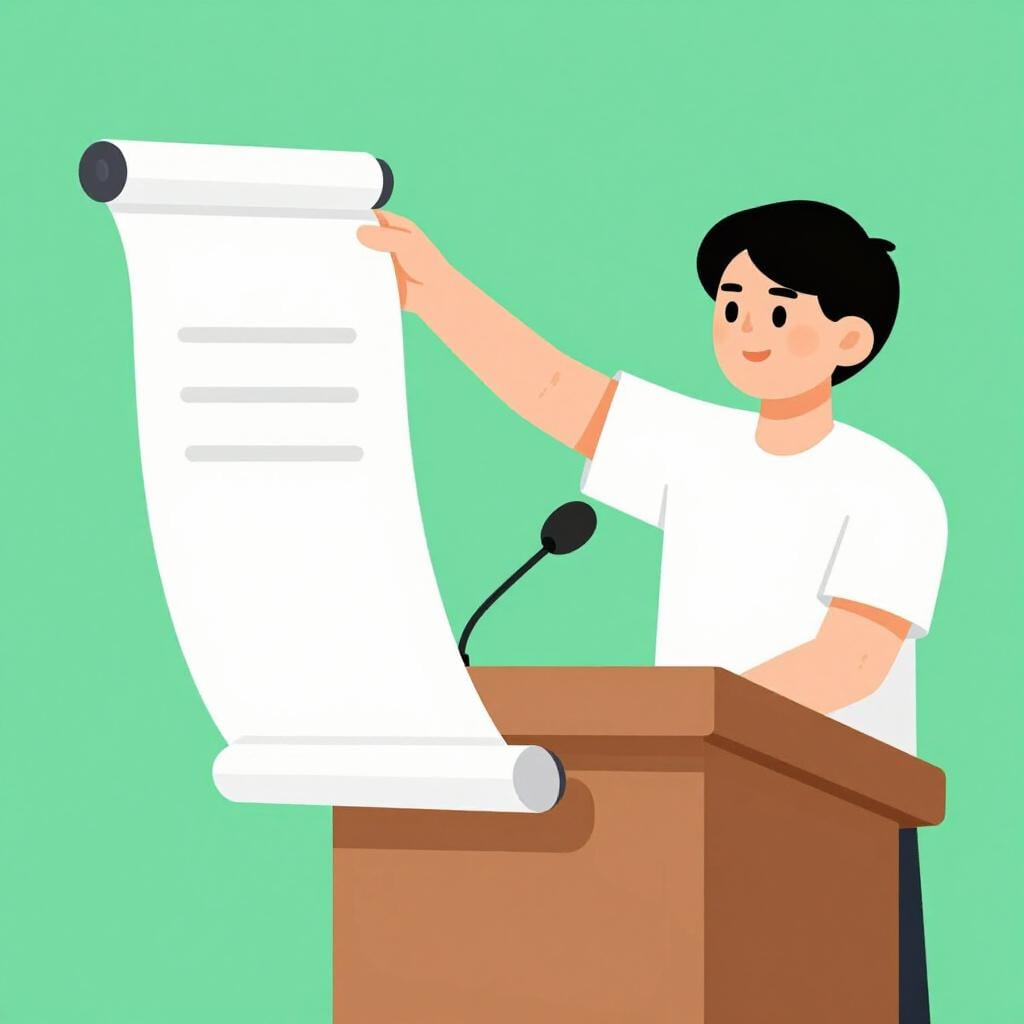
📝 In Action
El periódico tuvo que retractarse de la noticia falsa.
B2The newspaper had to retract the fake news story.
Si no te retractas de tus insultos, no hablaré contigo.
B2If you don't take back your insults, I won't speak with you.
El testigo se retractó de su declaración ante el juez.
C1The witness recanted his statement before the judge.
Subjunctive
Imperfect Subjunctive
Present Subjunctive
Indicative
Preterite
Imperfect
Present
Translate to Spanish
✏️ Quick Practice
Quick Quiz: retractar
Question 1 of 3
How do you say 'I take back what I said' using this verb?
📚 More Resources
👥 Word Family▼
📚 Etymology▼
From the Latin word 'retractare', which means 'to handle again' or 'to reconsider'. It combines 're-' (again) and 'tractare' (to handle).
First recorded: 15th century
Cognates (Related words)
💡 Master Spanish
Take your Spanish to the next level. Read 200+ illustrated and narrated Spanish stories tailored to your level with the Inklingo app!
Frequently Asked Questions
Is 'retractar' the same as 'arrepentirse'?
Not exactly. 'Arrepentirse' means to feel regret in your heart. 'Retractarse' is the formal act of physically or verbally taking back a statement you previously made.
Can I use 'retractar' for a retractable pen?
Technically yes, but in Spanish we usually use 'retráctil' for the adjective (bolígrafo retráctil) rather than the verb 'retractar'.
Is it a regular verb?
Yes! It follows the standard rules for all verbs ending in -ar, with no stem changes.