revista
“revista” means “magazine” in Spanish. It has 2 different meanings depending on context:
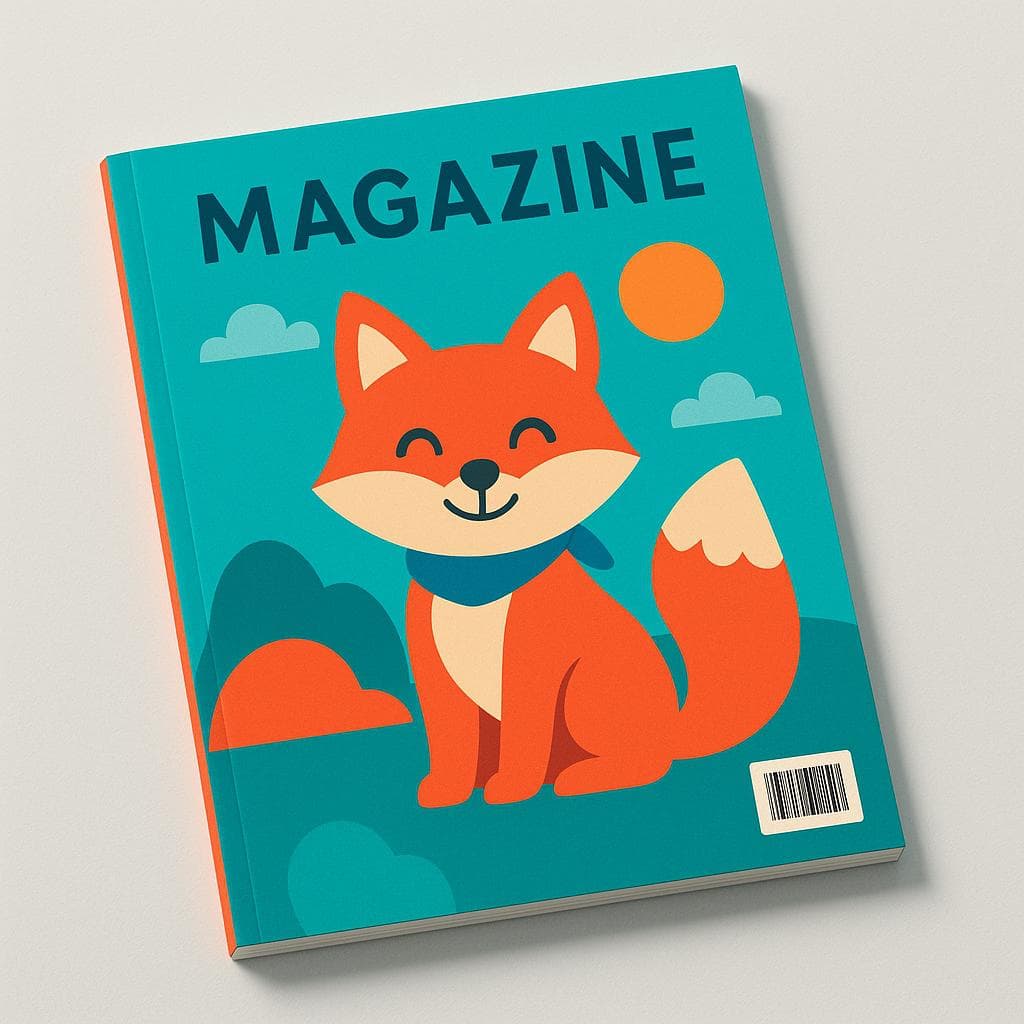

magazine
Also: journal, periodical
📝 In Action
Me gusta leer la revista de viajes mientras espero.
A1I like reading the travel magazine while I wait.
La revista publicó un artículo muy interesante sobre ecología.
A2The journal published a very interesting article about ecology.
inspection
Also: review, muster
📝 In Action
El director ordenó una revista de seguridad de todas las instalaciones.
B2The director ordered a security inspection of all the facilities.
Hicimos la revista de las cuentas antes de la reunión anual.
C1We did the review of the accounts before the annual meeting.
Translate to Spanish
✏️ Quick Practice
Quick Quiz: revista
Question 1 of 2
Which sentence uses 'revista' in its most common meaning?
📚 More Resources
👥 Word Family▼
📚 Etymology▼
The word 'revista' comes from the verb 'revisar' (to review or look over again). This verb, in turn, comes from the Latin word *revidere*, meaning 'to see again.' The noun 'revista' was originally the result of this action (an inspection), and later became associated with the publication that is meant to be 'seen again' or read regularly.
First recorded: 15th century (related verb forms)
Cognates (Related words)
💡 Master Spanish
Take your Spanish to the next level. Read 200+ illustrated and narrated Spanish stories tailored to your level with the Inklingo app!
Frequently Asked Questions
Is 'revista' masculine or feminine?
It is always feminine, so you must use 'la revista' or 'una revista'.
How is 'revista' different from 'periódico'?
'Revista' usually refers to a publication that comes out weekly, monthly, or quarterly and focuses on specific topics (like fashion, science, or travel). 'Periódico' (newspaper) usually comes out daily and focuses on current news.