rompí
“rompí” means “I broke” in Spanish. It has 3 different meanings depending on context:


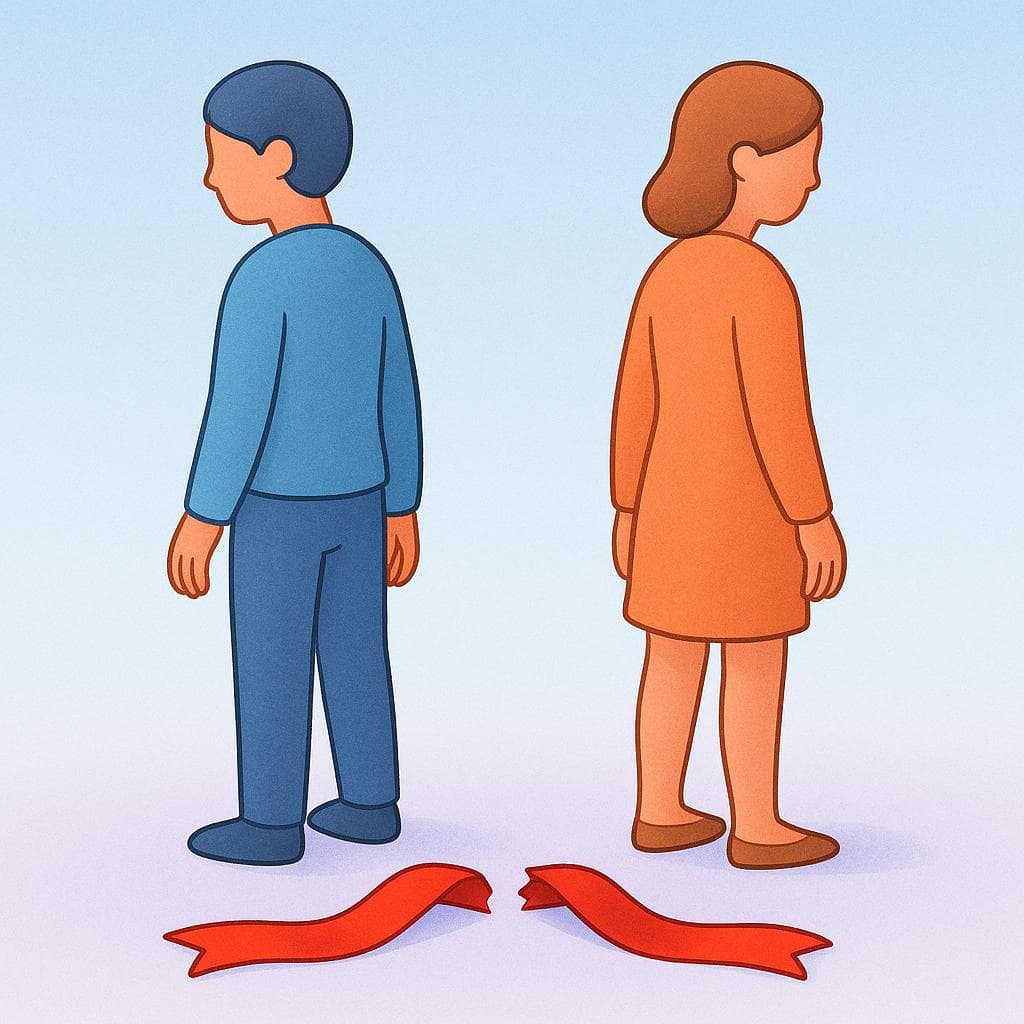
I broke, I tore
Also: I smashed
📝 In Action
Accidentalmente rompí la ventana con la pelota.
A2I accidentally broke the window with the ball.
Rompí el papel en pedacitos porque no me gustó el dibujo.
A1I tore the paper into little pieces because I didn't like the drawing.
Cuando me caí, rompí mi reloj favorito.
A2When I fell, I broke my favorite watch.
I broke, I violated
Also: I interrupted
📝 In Action
Rompí mi promesa de no comer chocolate durante la semana.
B1I broke my promise not to eat chocolate during the week.
Todos estábamos callados hasta que rompí el silencio para preguntar algo.
B2We were all quiet until I broke the silence to ask something.
I broke up (with)
Also: I ended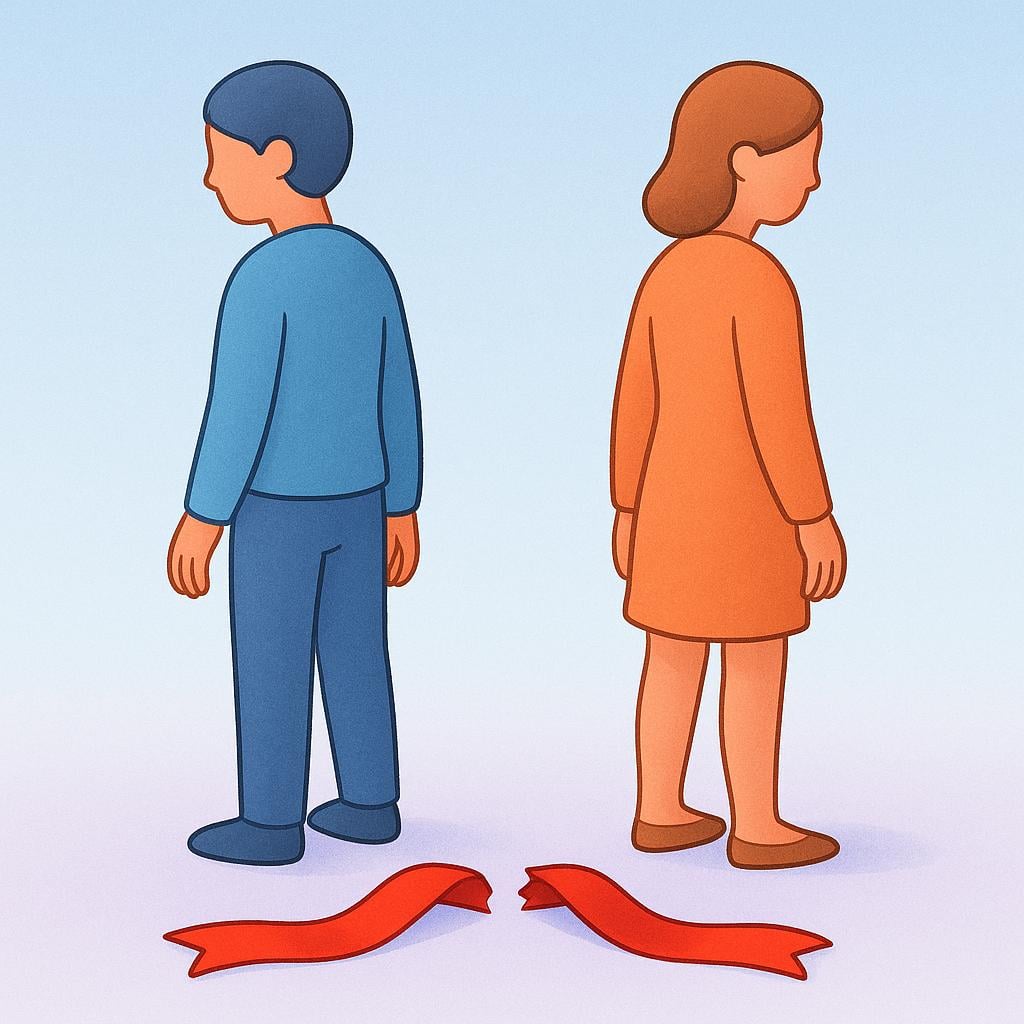
📝 In Action
Finalmente rompí con mi pareja porque ya no éramos felices.
B2I finally broke up with my partner because we weren't happy anymore.
Rompí con esa empresa y busqué un nuevo proveedor.
C1I broke ties with that company and looked for a new supplier.
🔄 Conjugations
indicative
present
imperfect
preterite
subjunctive
present
imperfect
Translate to Spanish
✏️ Quick Practice
Quick Quiz: rompí
Question 1 of 2
Which sentence correctly uses 'rompí' to mean 'I ended a relationship'?
📚 More Resources
🎵 Rhymes▼
📚 Etymology▼
Comes from the vulgar Latin *rumpere*, meaning 'to burst, tear, or break.' It has maintained its core meaning of sudden separation or rupture for centuries.
First recorded: Pre-10th century (Old Spanish)
Cognates (Related words)
💡 Master Spanish
Take your Spanish to the next level. Read 200+ illustrated and narrated Spanish stories tailored to your level with the Inklingo app!
Frequently Asked Questions
Is 'rompí' regular or irregular?
'Rompí' itself is formed regularly in the Preterite tense (the 'I' form is standard for -ER verbs). However, the overall verb 'romper' is considered irregular because its past participle, used in compound tenses, is 'roto' (not 'rompido').
How do I say 'I was breaking' instead of 'I broke'?
You would use the Imperfect tense, which describes ongoing or habitual past actions. The form is 'yo rompía'.