sacas
“sacas” means “you take out” in Spanish. It has 4 different meanings depending on context:
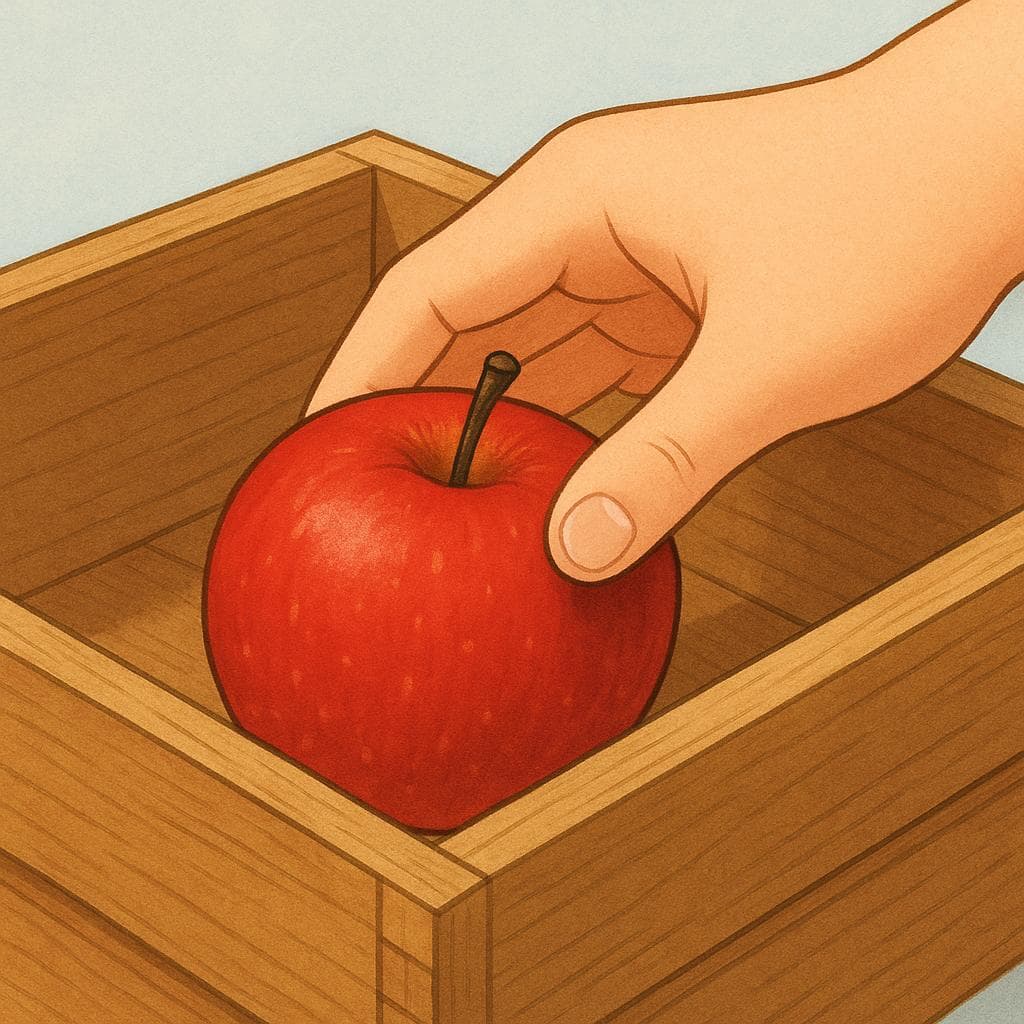


you take out, you pull out
Also: you remove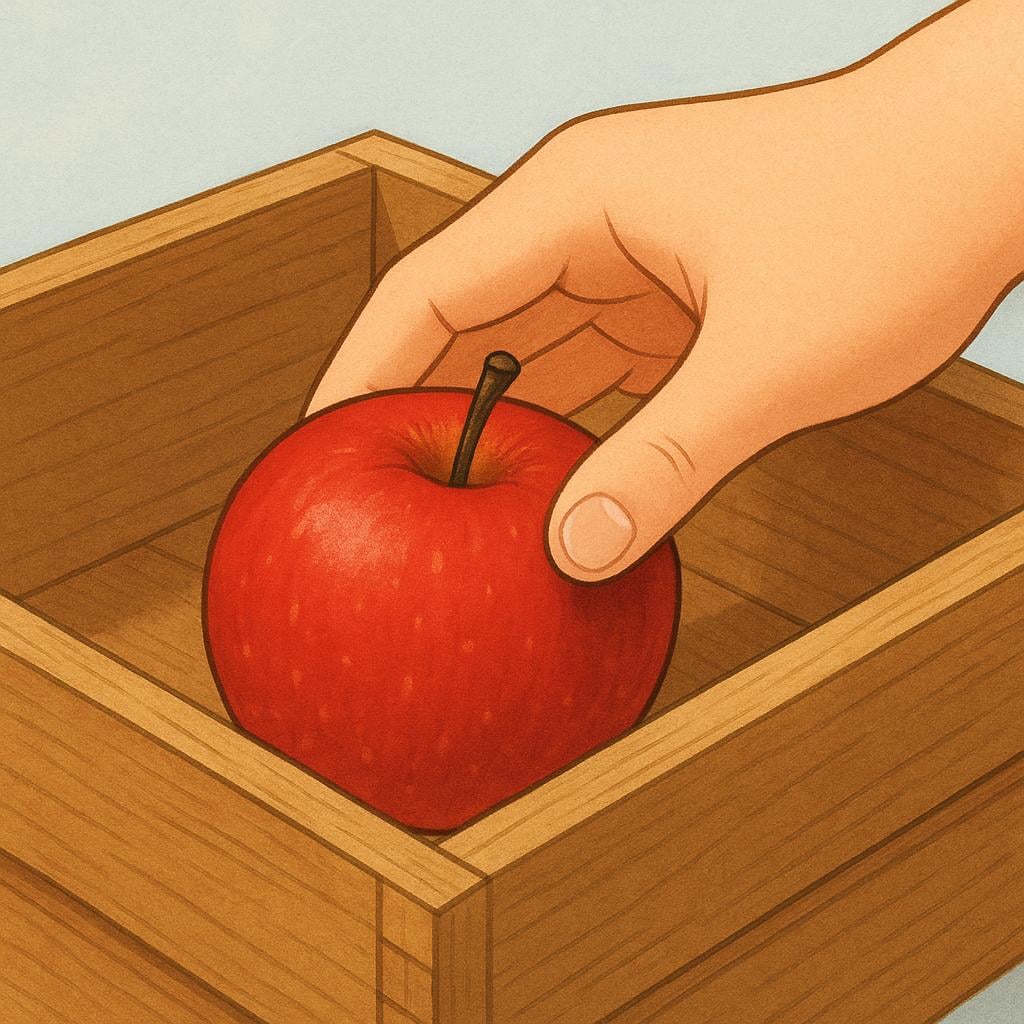
📝 In Action
¿Por qué sacas la basura tan tarde?
A1Why are you taking out the trash so late?
Siempre sacas el móvil durante la cena.
A2You always take out your cell phone during dinner.
you get, you obtain

📝 In Action
¿Qué nota sacas normalmente en los exámenes de historia?
A2What grade do you normally get on history exams?
Si trabajas duro, sacas el proyecto adelante.
B1If you work hard, you get the project done (or move it forward).
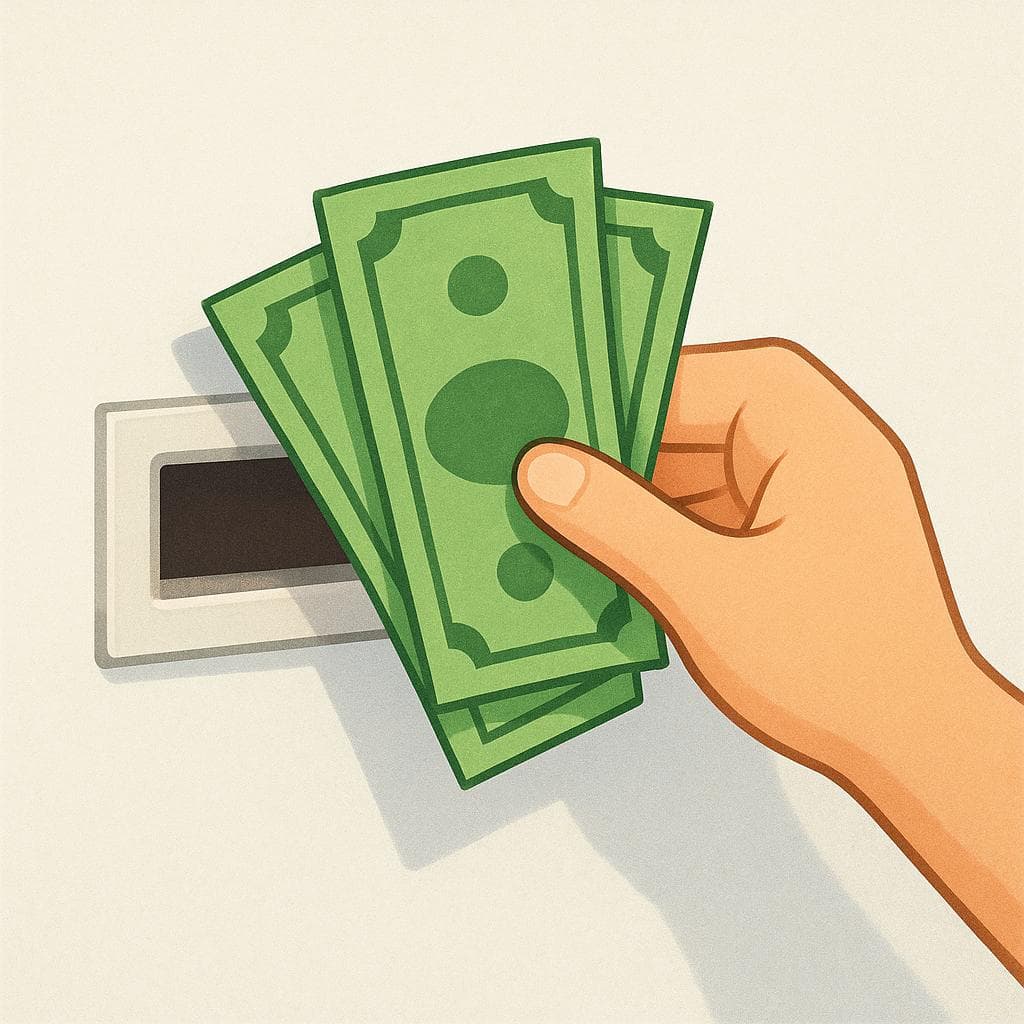
you withdraw, you take out

📝 In Action
¿Cuánto dinero sacas del cajero cada semana?
B1How much money do you withdraw from the ATM every week?
you serve

📝 In Action
¡Es tu turno! ¿Por dónde sacas la pelota?
B1It's your turn! Where are you serving the ball?
Indicative
Present
Imperfect
Preterite
Subjunctive
Present Subjunctive
Imperfect Subjunctive
Translate to Spanish
✏️ Quick Practice
Quick Quiz: sacas
Question 1 of 2
Which meaning of 'sacas' is used in the sentence: '¿Sacaste el billete para el concierto a tiempo?'
📚 More Resources
👥 Word Family▼
🎵 Rhymes▼
📚 Etymology▼
Comes from the vulgar Latin word *saccare*, which meant 'to put into a sack' or 'to take out of a sack.' The meaning eventually settled on the idea of removing something from a container.
First recorded: 13th century
Cognates (Related words)
💡 Master Spanish
Take your Spanish to the next level. Read 200+ illustrated and narrated Spanish stories tailored to your level with the Inklingo app!
Frequently Asked Questions
Is 'sacas' the same as 'llevas' (you take)?
Not exactly. 'Sacas' specifically means moving something *out* of an enclosed space (like taking keys out of a bag). 'Llevas' means moving something *with* you to a different place (like taking a friend to a party).
How do I know if 'sacas' means 'to get a grade' or 'to take something out'?
Look at the word that follows 'sacas.' If it's something abstract like 'buenas notas' (good grades) or 'una conclusión' (a conclusion), it means 'to get' or 'to obtain.' If it's a physical object like 'el libro' (the book) or 'la llave' (the key), it means 'to take out.'