sanción
“sanción” means “penalty” in Spanish. It has 2 different meanings depending on context:
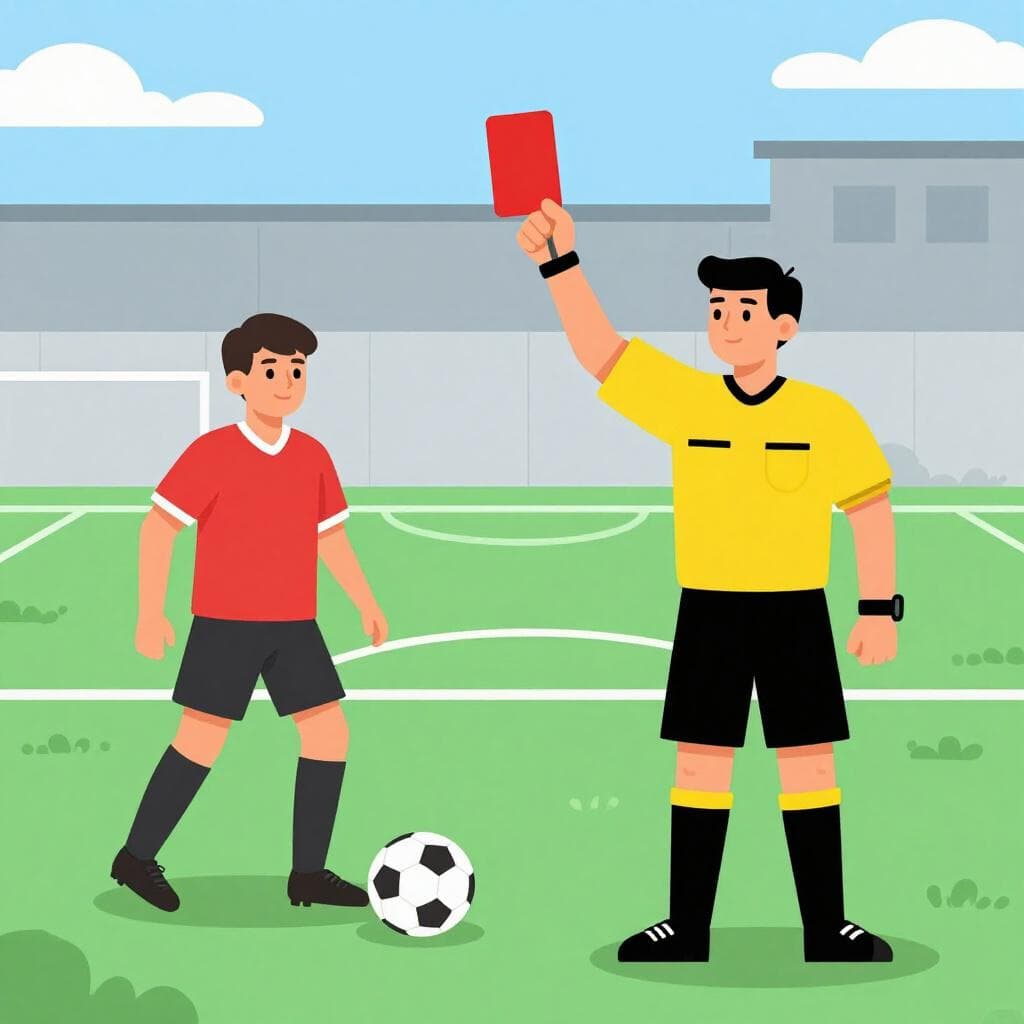

penalty, fine
Also: ban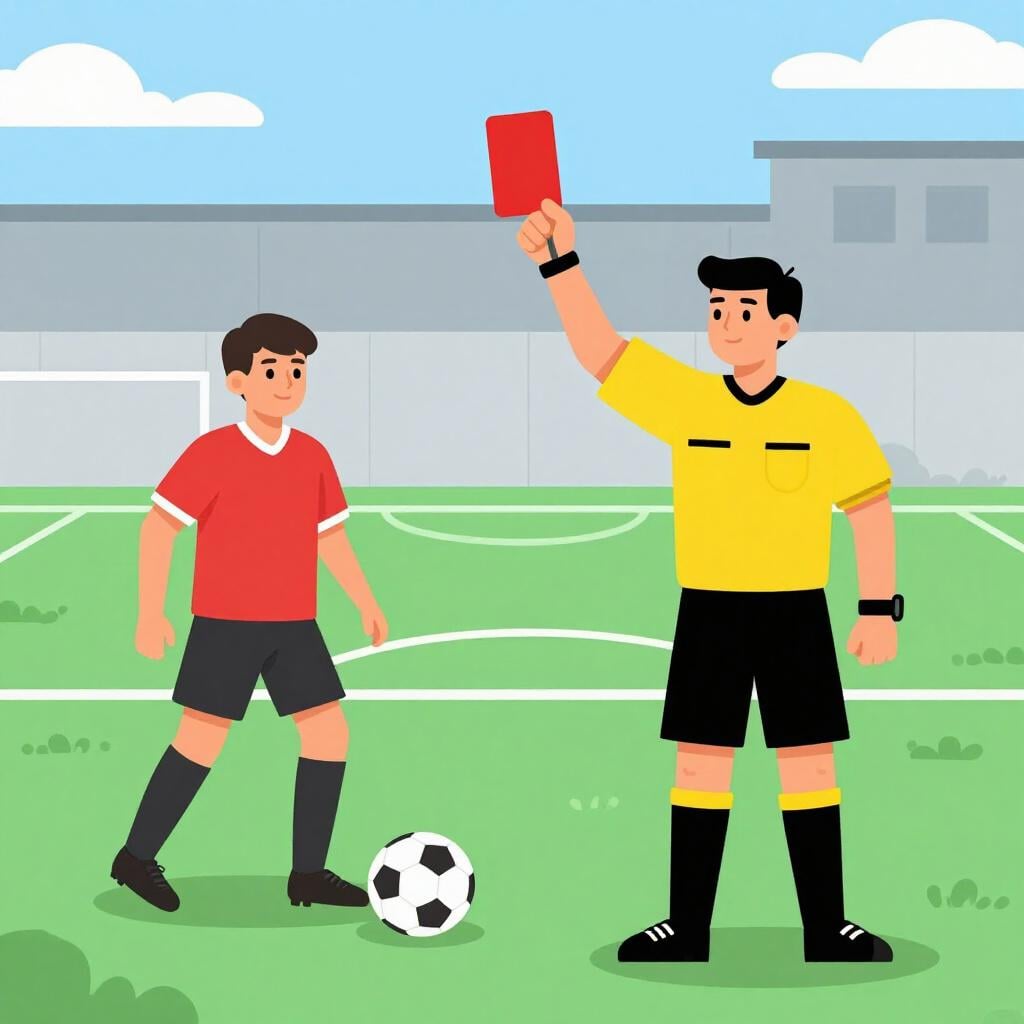
📝 In Action
El conductor recibió una sanción por exceso de velocidad.
B1The driver received a penalty for speeding.
La FIFA impuso una sanción de tres partidos al jugador.
B1FIFA imposed a three-game ban on the player.
Si no pagas a tiempo, habrá una sanción económica.
B2If you don't pay on time, there will be a financial penalty.
approval, ratification

📝 In Action
La ley necesita la sanción del Rey para entrar en vigor.
C1The law needs the King's approval to come into effect.
El decreto obtuvo la sanción definitiva del parlamento.
C2The decree obtained the final ratification from parliament.
Sin la sanción presidencial, el proyecto no puede avanzar.
C1Without presidential approval, the project cannot move forward.
✏️ Quick Practice
Quick Quiz: sanción
Question 1 of 3
Which word is a common synonym for 'sanción' when talking about a traffic ticket?
📚 More Resources
👥 Word Family▼
🎵 Rhymes▼
📚 Etymology▼
From the Latin word 'sanctio,' which referred to a law or decree that was made sacred and binding.
First recorded: 13th century
Cognates (Related words)
💡 Master Spanish
Take your Spanish to the next level. Read 200+ illustrated and narrated Spanish stories tailored to your level with the Inklingo app!
Frequently Asked Questions
Does 'sanción' always mean something bad?
Not always! While it usually means a penalty, in high-level legal contexts, it can mean the official approval of a new law.
How is it different from 'multa'?
A 'multa' is specifically a money-based fine. A 'sanción' is a broader term that can include fines, being banned from a sport, or other official punishments.
Is 'sanción' used in Latin America and Spain?
Yes, it is used universally across the Spanish-speaking world with the same meanings.