sancionar
“sancionar” means “to penalize” in Spanish. It has 2 different meanings depending on context:
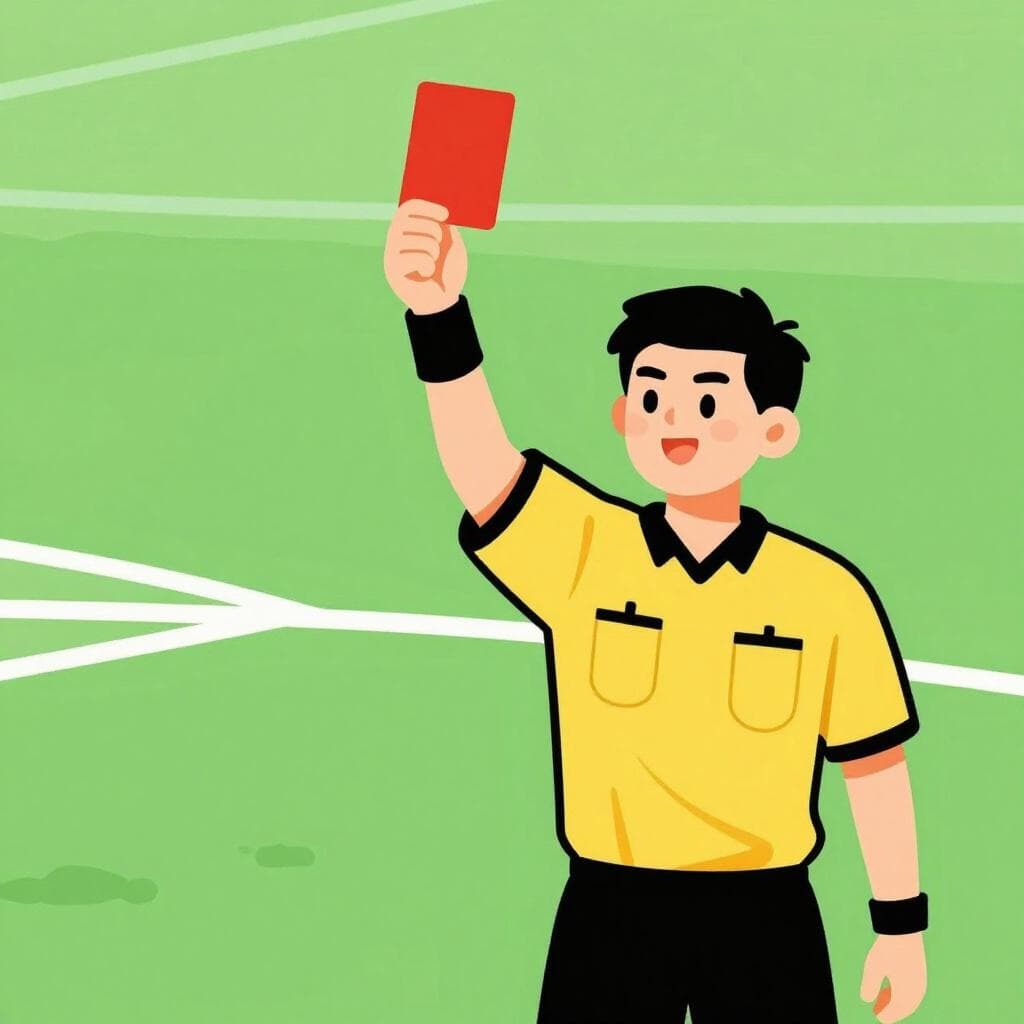

to penalize, to fine
Also: to punish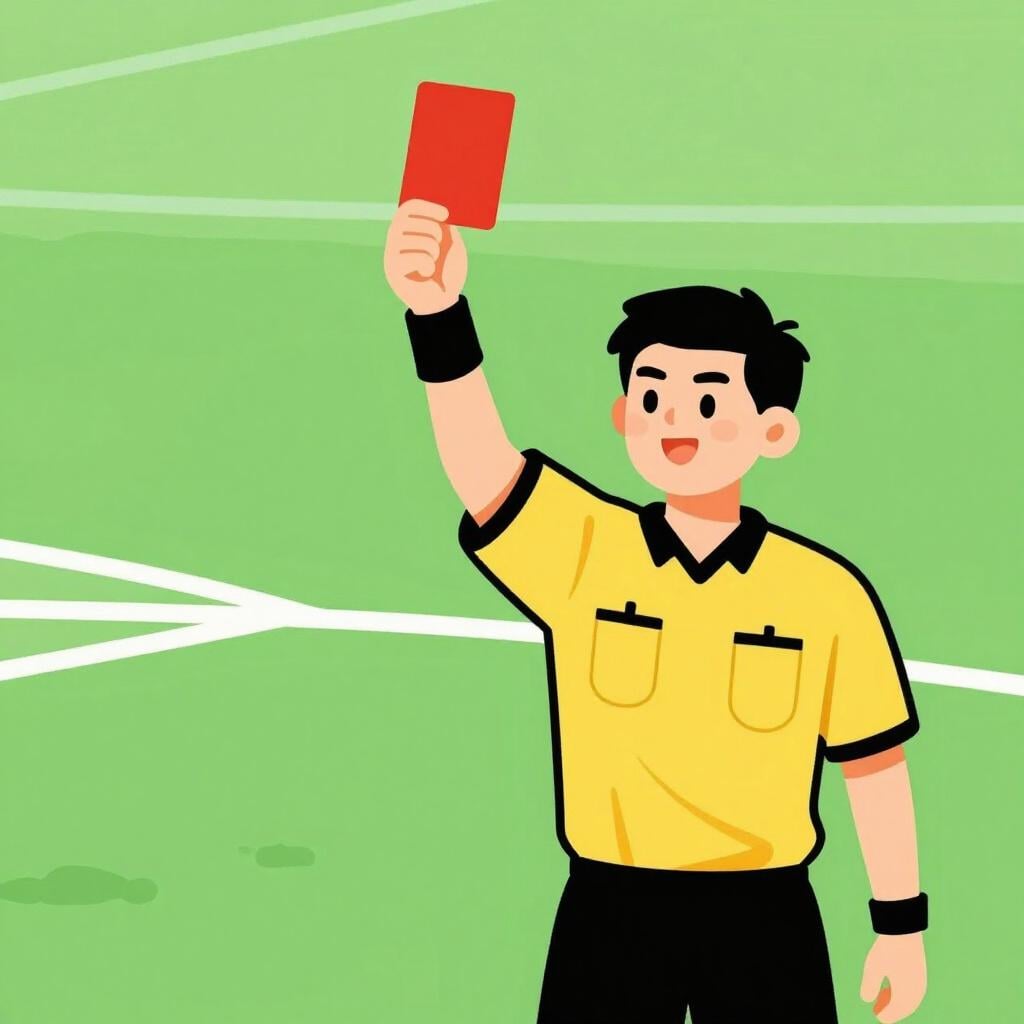
📝 In Action
El árbitro sancionó al jugador con una tarjeta roja.
B1The referee penalized the player with a red card.
La policía te puede sancionar por conducir demasiado rápido.
B1The police can fine you for driving too fast.
La empresa fue sancionada por contaminar el río.
B2The company was penalized for polluting the river.
to ratify, to sanction
Also: to approve
📝 In Action
El jefe de estado sancionó la nueva ley de educación.
C1The head of state ratified the new education law.
El congreso espera que el presidente sancione el proyecto.
C1Congress expects the president to sign the bill into law.
Subjunctive
Imperfect Subjunctive
Present Subjunctive
Indicative
Preterite
Imperfect
Present
Translate to Spanish
Words that translate to "sancionar" in Spanish:
to approve→to fine→to penalize→to punish→to ratify→to sanction→✏️ Quick Practice
Quick Quiz: sancionar
Question 1 of 3
If a referee gives a yellow card, he is...
📚 More Resources
👥 Word Family▼
📚 Etymology▼
From the Latin 'sanctio', which refers to a decree or a formal law that makes something binding or sacred.
First recorded: 15th century
Cognates (Related words)
💡 Master Spanish
Take your Spanish to the next level. Read 200+ illustrated and narrated Spanish stories tailored to your level with the Inklingo app!
Frequently Asked Questions
Is 'sancionar' a false friend in English?
Not exactly, but it's tricky! In both languages, 'sanction' can mean either 'to punish' or 'to allow/approve'. Spanish 'sancionar' works exactly the same way.
Should I use 'castigar' or 'sancionar'?
Use 'castigar' for general life (parents punishing kids). Use 'sancionar' for official things like fines, sports fouls, or laws.
Can I use it for social media bans?
Yes, 'sancionar una cuenta' is often used when a platform penalizes a user for breaking rules.