How to Say "to penalize" in Spanish
The most common Spanish word for “to penalize” is “castigar” — use 'castigar' when referring to imposing a punishment or disciplinary measure, especially in a family or educational setting, or for minor infractions.

Use 'castigar' when referring to imposing a punishment or disciplinary measure, especially in a family or educational setting, or for minor infractions.
Learn more →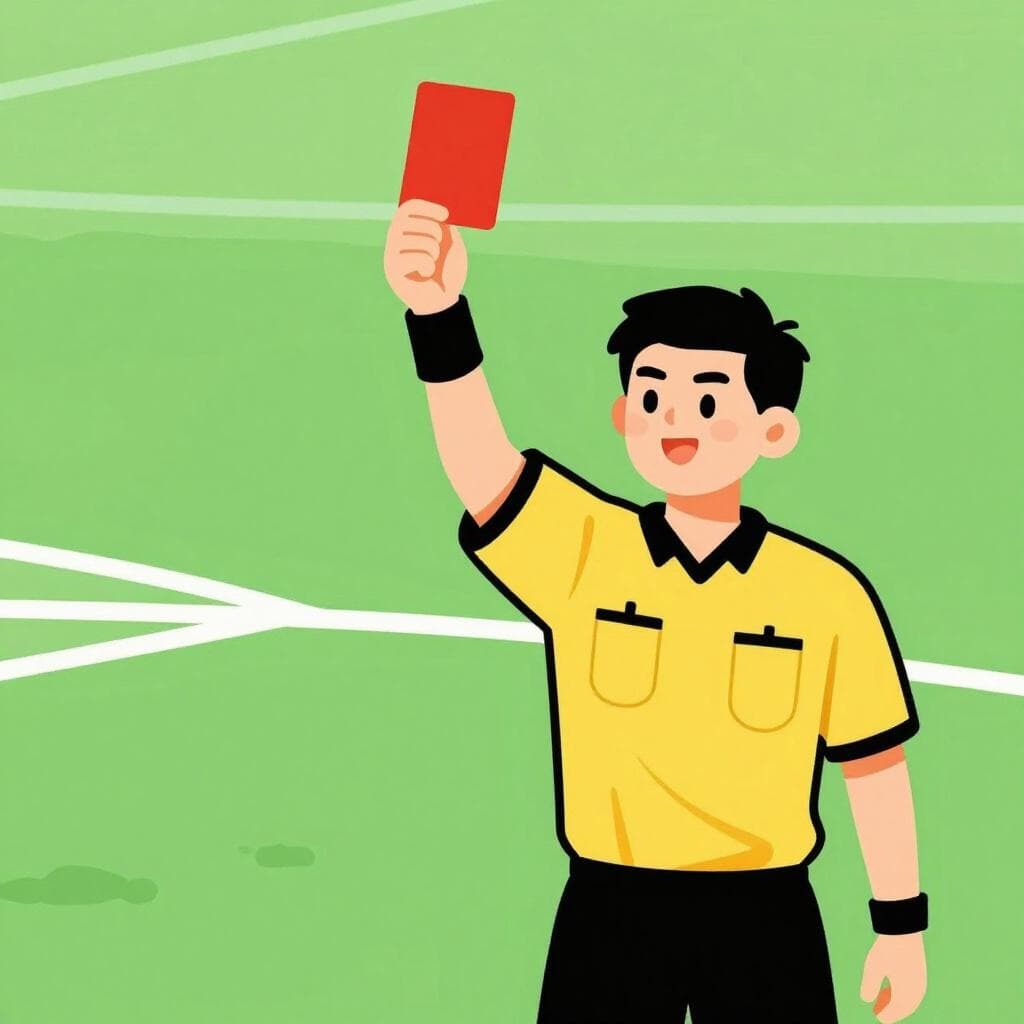
Use 'sancionar' when referring to imposing a penalty or fine according to official rules, laws, or regulations, particularly in sports or legal contexts.
Learn more →kah-stee-garkastiˈɣaɾ

Examples
El profesor va a castigar a los alumnos que no hicieron la tarea.
The teacher is going to punish the students who didn't do their homework.
Mis padres me van a castigar sin salir este fin de semana.
My parents are going to ground me this weekend.
El juez decidió castigar al culpable con una multa.
The judge decided to punish the guilty party with a fine.
Es importante no castigar a los niños físicamente.
It is important not to punish children physically.
Spelling Change Alert
In the 'yo' form of the past tense, the 'g' changes to 'gu' (castigué) to keep the hard 'g' sound. Without the 'u', it would sound like an 'h'.
The 'Personal A'
When you are punishing a specific person, you must use 'a' after the verb. Example: 'Castigaron a Juan'.
Spelling the Past Tense
Mistake: “Yo castigé.”
Correction: Yo castigué. In Spanish, 'ge' sounds like an 'h', so we need the 'u' to maintain the hard sound of the original verb.
san-syo-NARsanθjoˈnaɾ
Examples
La liga sancionó al equipo por incumplimiento del reglamento.
The league penalized the team for violating the regulations.
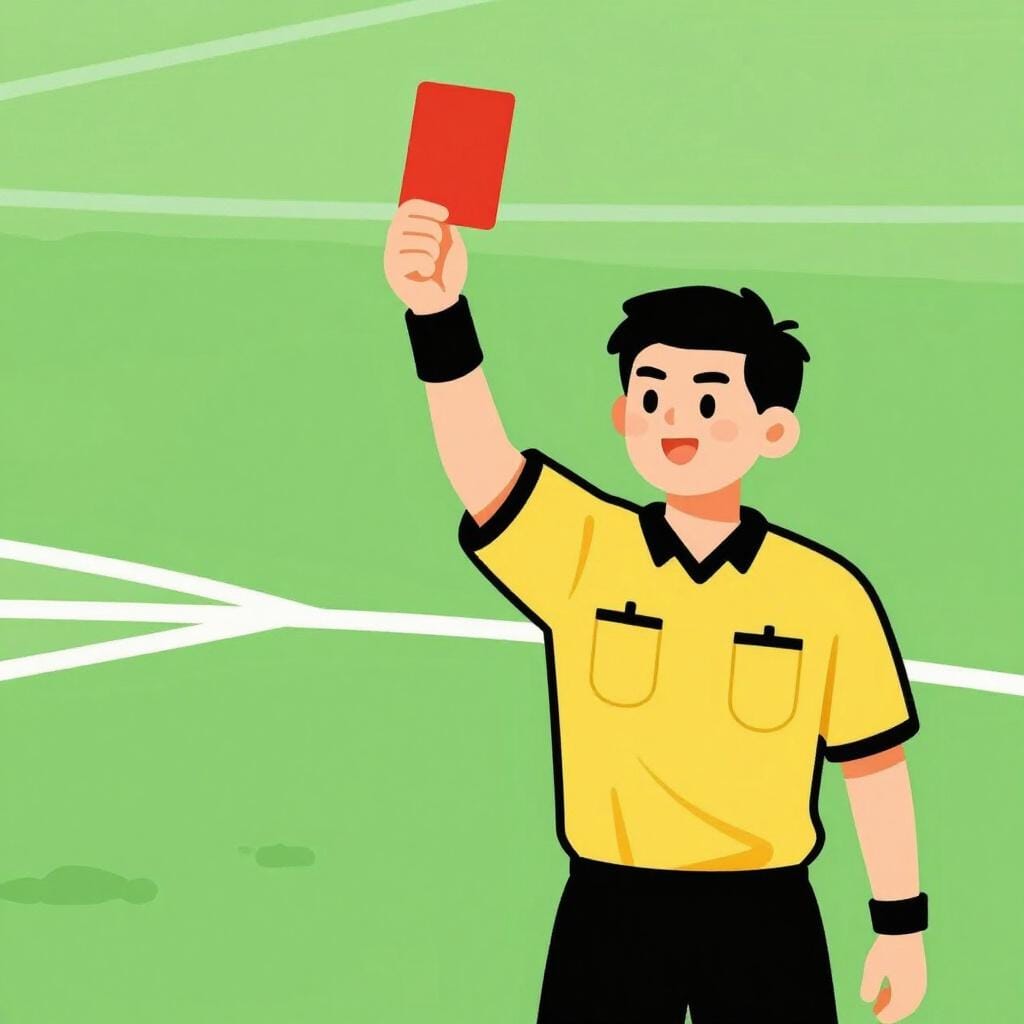
El árbitro sancionó al jugador con una tarjeta roja.
The referee penalized the player with a red card.
La policía te puede sancionar por conducir demasiado rápido.
The police can fine you for driving too fast.
La empresa fue sancionada por contaminar el río.
The company was penalized for polluting the river.
Using 'por' to explain the reason
In Spanish, use 'por' after 'sancionar' to explain the specific reason or action that caused the penalty (e.g., 'sancionar por exceso de velocidad').
Sancionar vs. Castigar
Mistake: “Using 'sancionar' for a child's timeout.”
Correction: Use 'castigar' for personal or parental discipline. 'Sancionar' is reserved for official, legal, or professional contexts.
Castigar vs. Sancionar
Learners often confuse 'castigar' and 'sancionar' by using the more general 'castigar' in formal or official situations where 'sancionar' is required. Remember that 'sancionar' implies a formal rule or law is being enforced.
Related Translations
Learn Spanish with Inklingo
Interactive stories, personalized learning, and more.