sangrado
“sangrado” means “bleeding” in Spanish. It has 2 different meanings depending on context:


bleeding
Also: hemorrhage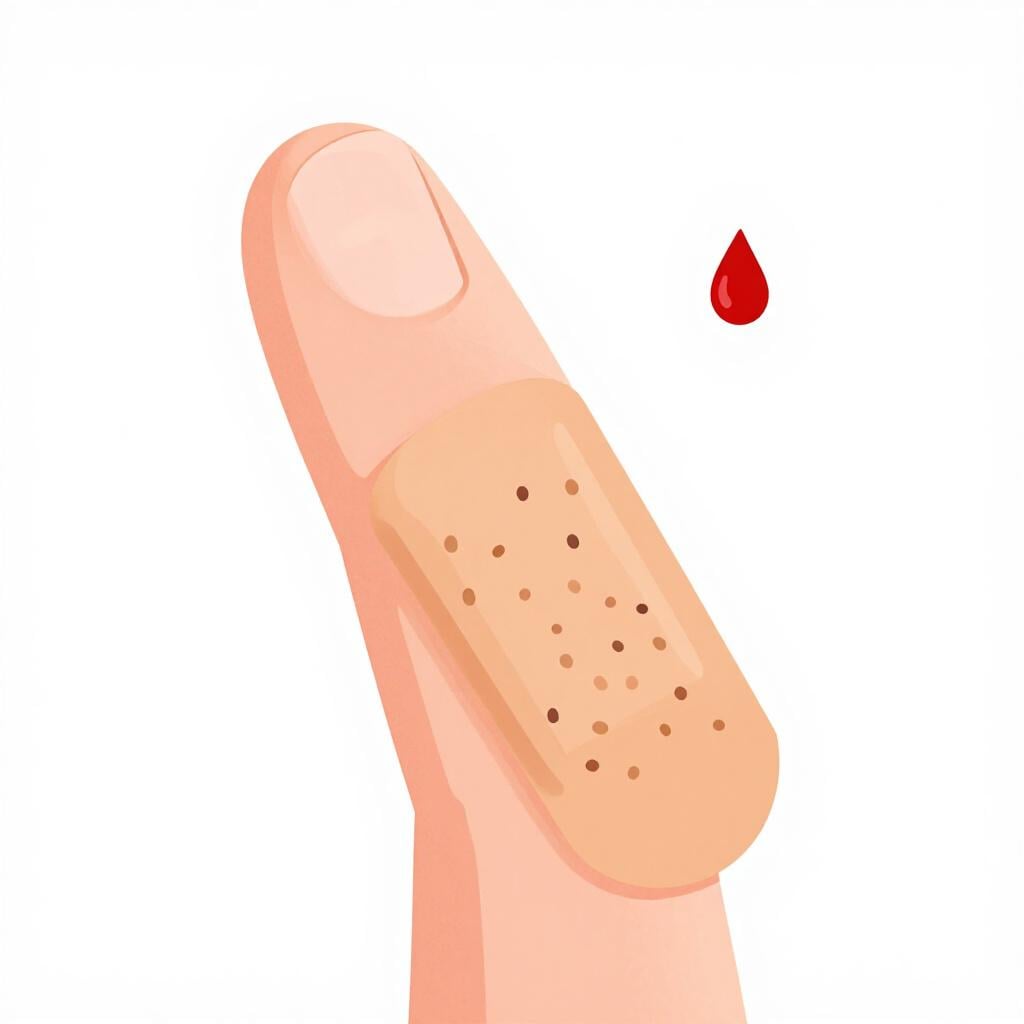
📝 In Action
El médico logró detener el sangrado de la herida.
A2The doctor managed to stop the bleeding from the wound.
El sangrado de encías puede ser un signo de gingivitis.
B1Bleeding gums can be a sign of gingivitis.
Si el sangrado persiste, busque atención médica de inmediato.
B2If the bleeding continues, seek medical attention immediately.
bleed
Also: indentation
📝 In Action
Este diseño requiere un sangrado de tres milímetros.
B2This design requires a three-millimeter bleed.
Asegúrate de que las fotos lleguen hasta el área de sangrado.
C1Make sure the photos reach the bleed area.
El sangrado de la página evita bordes blancos no deseados.
B2The page bleed prevents unwanted white edges.
Translate to Spanish
✏️ Quick Practice
Quick Quiz: sangrado
Question 1 of 3
If you fall and cut your knee, the doctor will check for...
📚 More Resources
👥 Word Family▼
📚 Etymology▼
From the Spanish verb 'sangrar' (to bleed), which comes from the Latin 'sanguis' meaning 'blood'. The suffix '-ado' is used to turn the action of the verb into a noun.
First recorded: 13th century
Cognates (Related words)
💡 Master Spanish
Take your Spanish to the next level. Read 200+ illustrated and narrated Spanish stories tailored to your level with the Inklingo app!
Frequently Asked Questions
Is 'sangrado' the same as 'sangre'?
No. 'Sangre' is the noun for the liquid (blood). 'Sangrado' is the noun for the act of bleeding.
Does 'sangrado' mean the drink Sangria?
No, the drink is called 'sangría' (with an 'i' and an accent). They come from the same root word because of the color, but they are different words.
What is the difference between 'sangrante' and 'sangrado'?
'Sangrante' is an adjective meaning 'currently bleeding' (e.g., a bleeding wound), while 'sangrado' is a noun referring to the state or event of bleeding.