semental
“semental” means “stud” in Spanish. It has 2 different meanings depending on context:
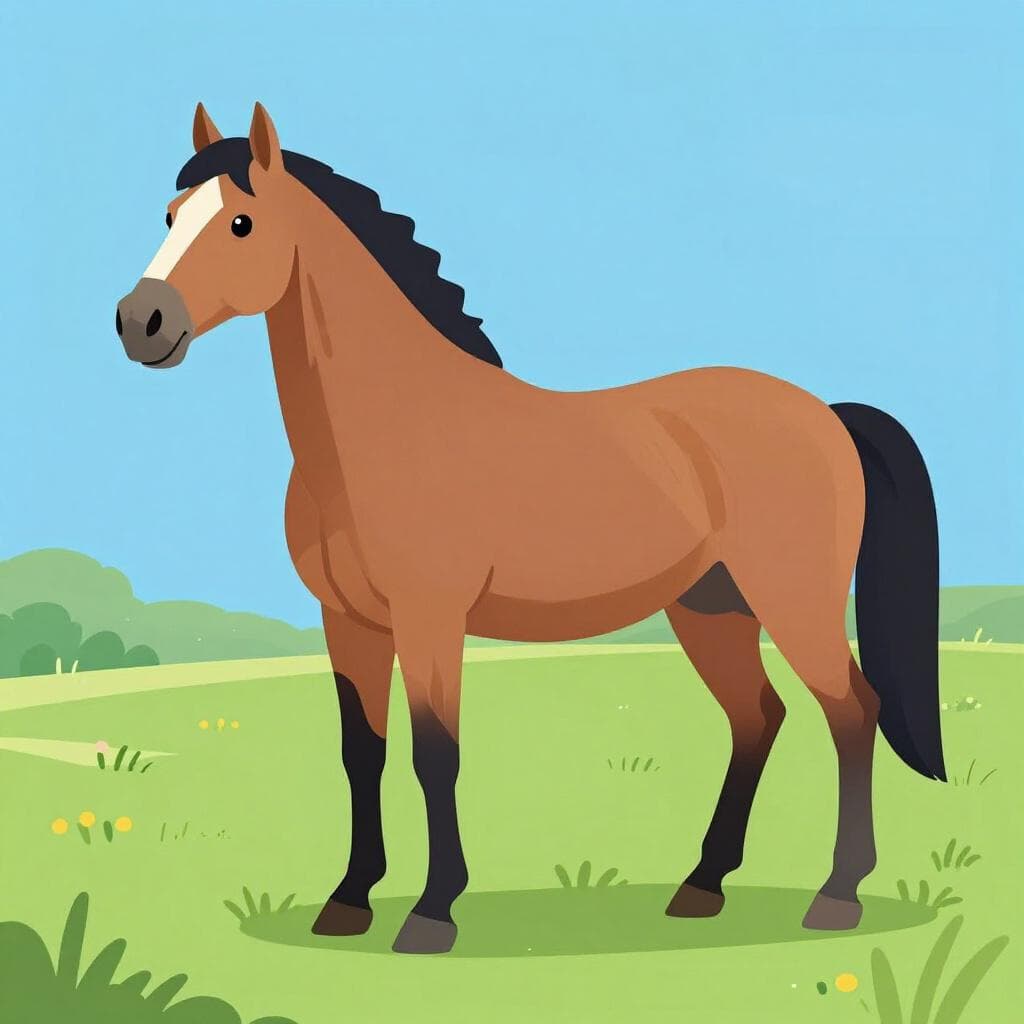

stud
Also: breeding male, sire
📝 In Action
El granjero compró un caballo semental de pura raza.
B1The farmer bought a purebred stud horse.
Este toro es el principal semental de la ganadería.
B1This bull is the main breeding male of the cattle ranch.
Buscamos un perro semental para cruzarlo con nuestra mascota.
B2We are looking for a stud dog to breed with our pet.
stallion
Also: stud
📝 In Action
Él se cree un semental desde que va al gimnasio.
B2He thinks he's a stud since he started going to the gym.
En la película, el protagonista actúa como un semental italiano.
C1In the movie, the main character acts like an Italian stallion.
Vocabulary Collections
Translate to Spanish
✏️ Quick Practice
Quick Quiz: semental
Question 1 of 3
Which of these is the most common use for 'semental'?
📚 More Resources
👥 Word Family▼
📚 Etymology▼
From the Latin word 'sementis', meaning 'sowing' or 'seed'. It shares the same root as 'semilla' (seed), essentially describing an animal that provides the 'seed' for the next generation.
First recorded: 13th century
Cognates (Related words)
💡 Master Spanish
Take your Spanish to the next level. Read 200+ illustrated and narrated Spanish stories tailored to your level with the Inklingo app!
Frequently Asked Questions
Is 'semental' a bad word?
No, it is a technical term in farming. However, when used for humans, it is very informal and can be slightly vulgar depending on the tone.
What is the difference between 'semental' and 'reproductor'?
They are very similar. 'Reproductor' is more clinical/scientific, while 'semental' is more traditional and common in rural or agricultural settings.
Does it apply to all animals?
Technically yes, but it is most commonly used for large livestock like horses, bulls, and pigs.