How to Say "stallion" in Spanish
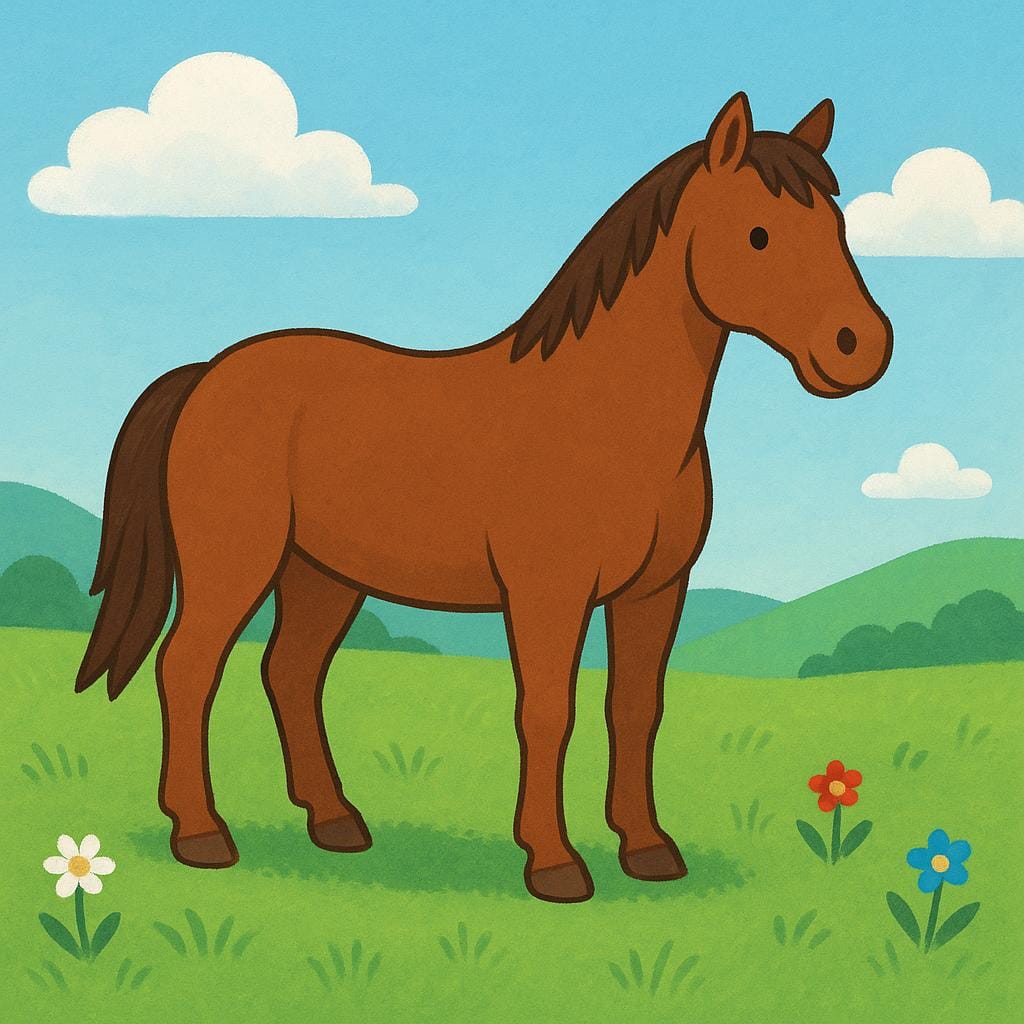
The most common Spanish word for “stallion” is “caballo” — use 'caballo' when referring specifically to a male horse, regardless of its breeding capabilities. This is the most general term for a horse.
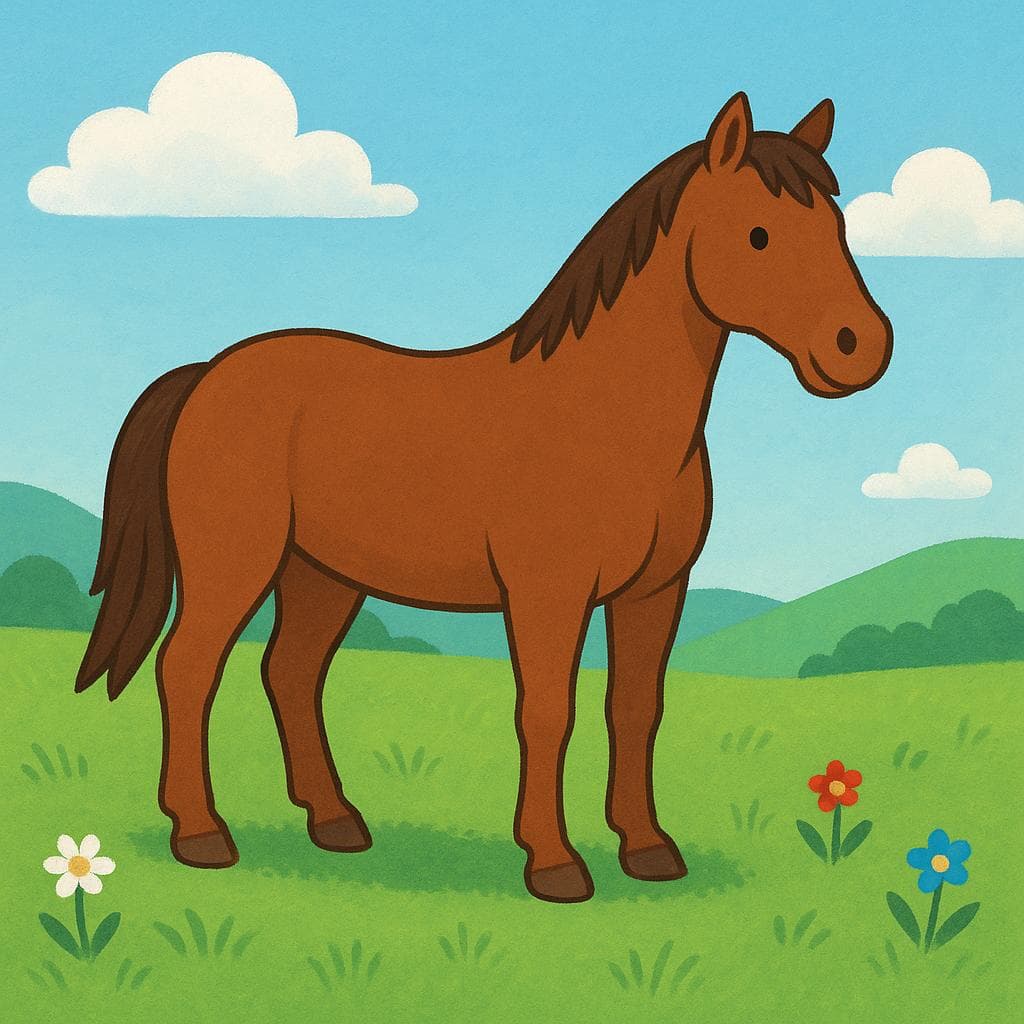

caballo
ka-BA-yokaˈβa.ʝo
Examples
El jinete montó su caballo veloz.
The rider rode his fast horse.
Mi abuelo tiene un caballo blanco en su granja.
My grandfather has a white horse on his farm.
Me encanta montar a caballo por el campo.
I love to ride a horse through the countryside.
Los vaqueros domaron al caballo salvaje.
The cowboys tamed the wild horse.
Always Masculine
'Caballo' is a masculine word, so you always use 'el' or 'un' before it. For example, 'el caballo' (the horse) or 'un caballo' (a horse).
The Word for a Female Horse
Mistake: “Using 'la caballa' for a mare.”
Correction: The correct word for a female horse is 'la yegua'. Be careful, because 'la caballa' is a completely different word that means 'mackerel' (a type of fish)!
semental
seh-mehn-TAHLsemenˈtal

Examples
Este semental es el mejor de la región para la cría.
This stud is the best in the region for breeding.
Él se cree un semental desde que va al gimnasio.
He thinks he's a stud since he started going to the gym.
En la película, el protagonista actúa como un semental italiano.
In the movie, the main character acts like an Italian stallion.
The 'Un' makes a difference
Saying someone IS 'un semental' emphasizes the identity or role, whereas saying they act like one uses it as a comparison.
Use with caution
Mistake: “Using this in a formal business meeting to compliment someone's strength.”
Correction: This is very informal and can be seen as slightly vulgar or objectifying. Save it for close friends or jokes.
Animal vs. Human Meaning
Related Translations
Learn Spanish with Inklingo
Interactive stories, personalized learning, and more.