caballo
“caballo” means “horse” in Spanish. It has 2 different meanings depending on context:
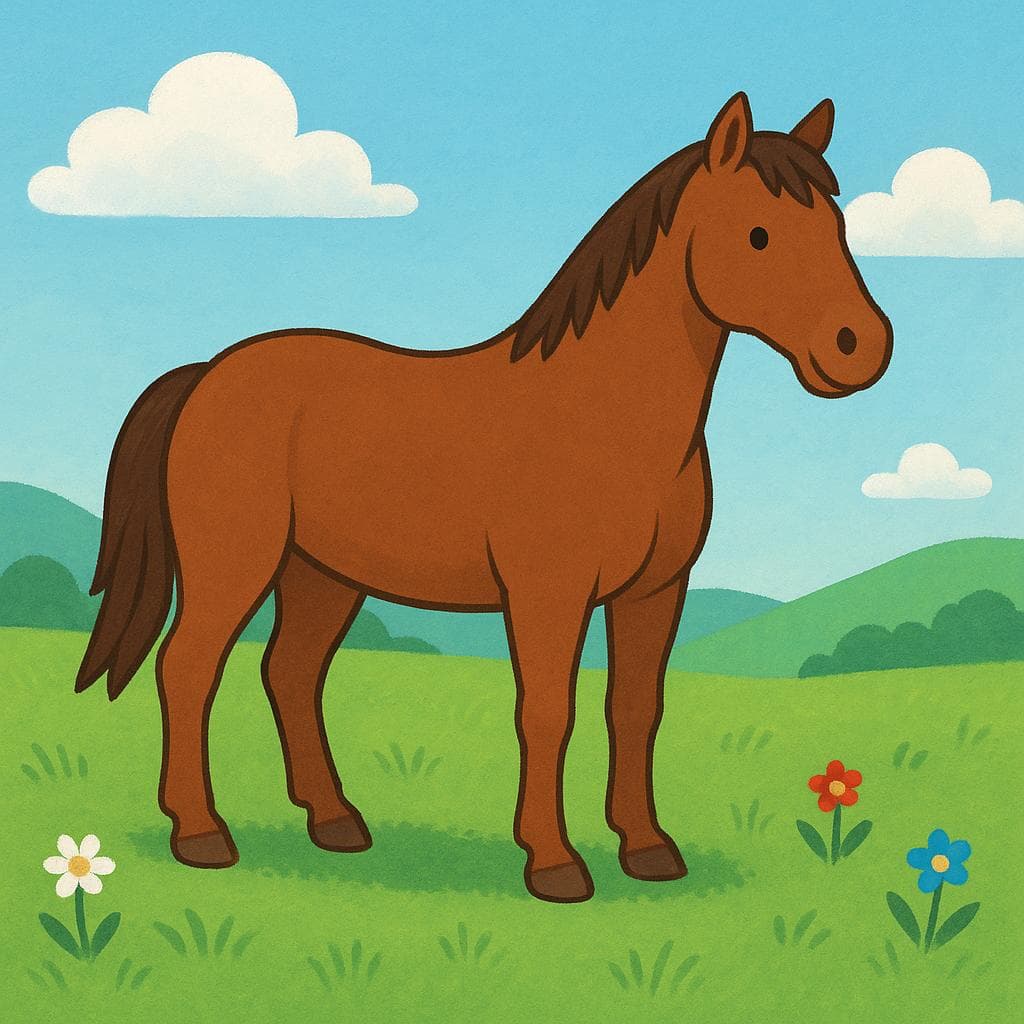

horse
Also: stallion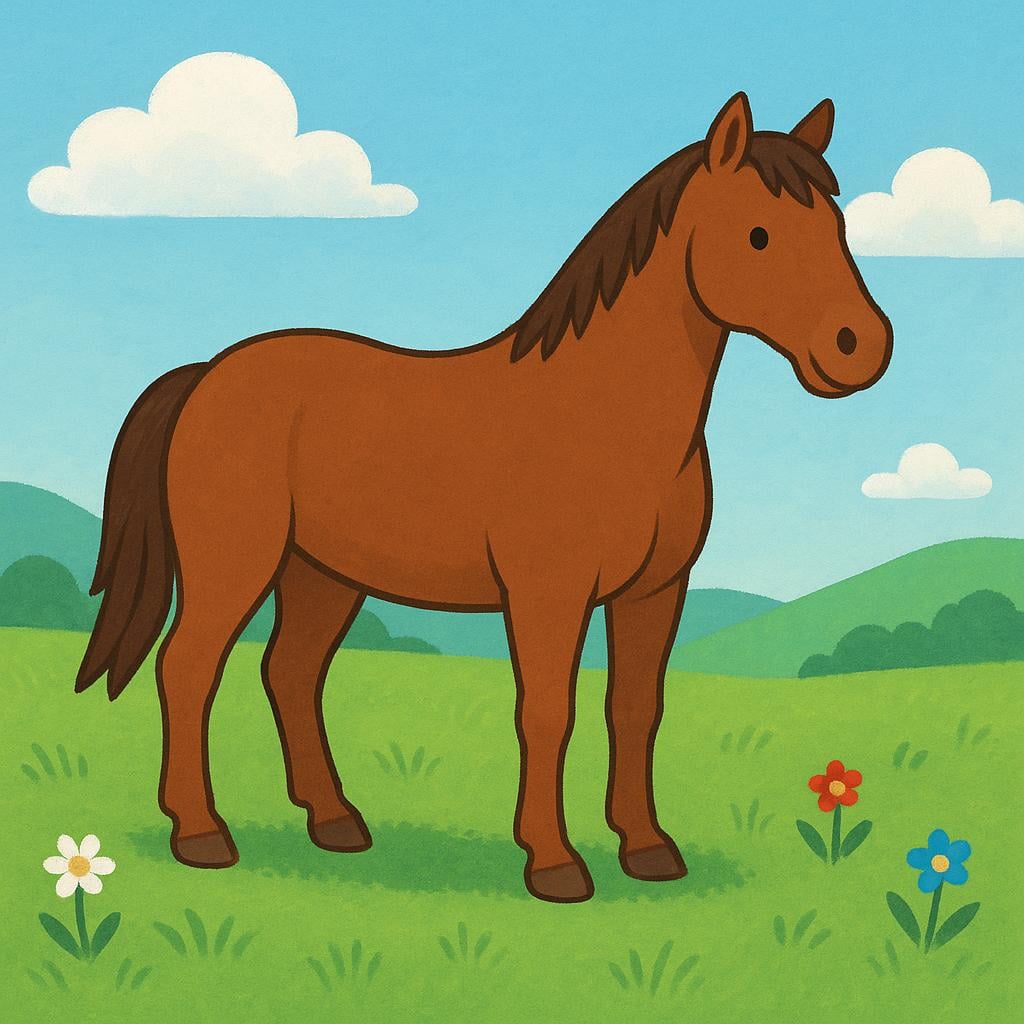
📝 In Action
Mi abuelo tiene un caballo blanco en su granja.
A1My grandfather has a white horse on his farm.
Me encanta montar a caballo por el campo.
A2I love to ride a horse through the countryside.
Los vaqueros domaron al caballo salvaje.
B1The cowboys tamed the wild horse.
knight

📝 In Action
En ajedrez, el caballo se mueve en forma de L.
B1In chess, the knight moves in an L-shape.
Sacrifiqué mi caballo para poner al rey en jaque.
B2I sacrificed my knight to put the king in check.
Vocabulary Collections
Translate to Spanish
✏️ Quick Practice
Quick Quiz: caballo
Question 1 of 1
If a friend says 'Moví mi caballo para proteger a la reina,' what are they talking about?
📚 More Resources
👥 Word Family▼
📚 Etymology▼
Comes from the Latin word 'caballus,' which was a common term for a workhorse or packhorse. Over time, it replaced the more formal Latin word 'equus' in everyday speech, which is where we get English words like 'equestrian'.
First recorded: 10th century
Cognates (Related words)
💡 Master Spanish
Take your Spanish to the next level. Read 200+ illustrated and narrated Spanish stories tailored to your level with the Inklingo app!
Frequently Asked Questions
What's the difference between 'caballo' and 'caballero'?
'Caballo' is the animal, a horse. 'Caballero' means 'gentleman' or 'knight' (a person). A fun way to remember is that a 'caballero' is someone who rides a 'caballo'.
How do you say 'pony' in Spanish?
The word for 'pony' in Spanish is 'el poni'. It looks and sounds very similar to the English word!