How to Say "knight" in Spanish
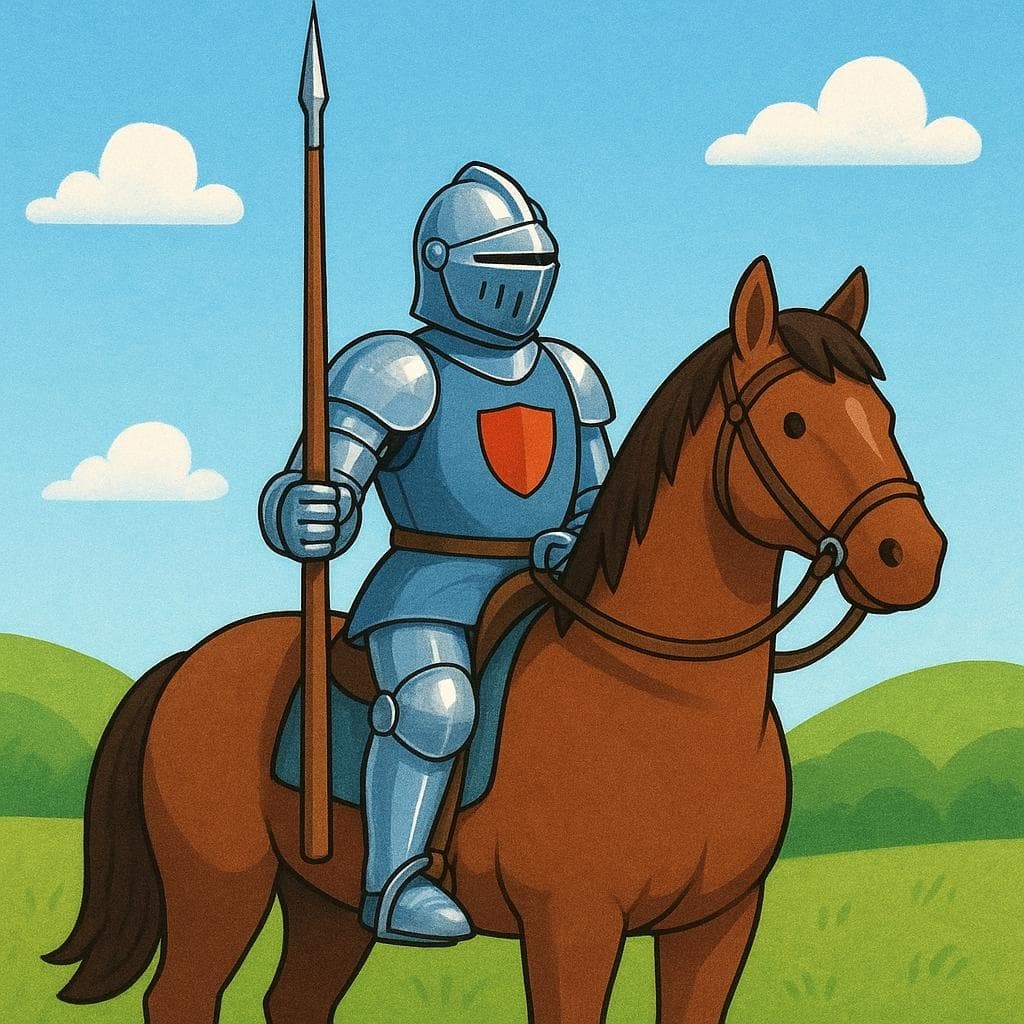
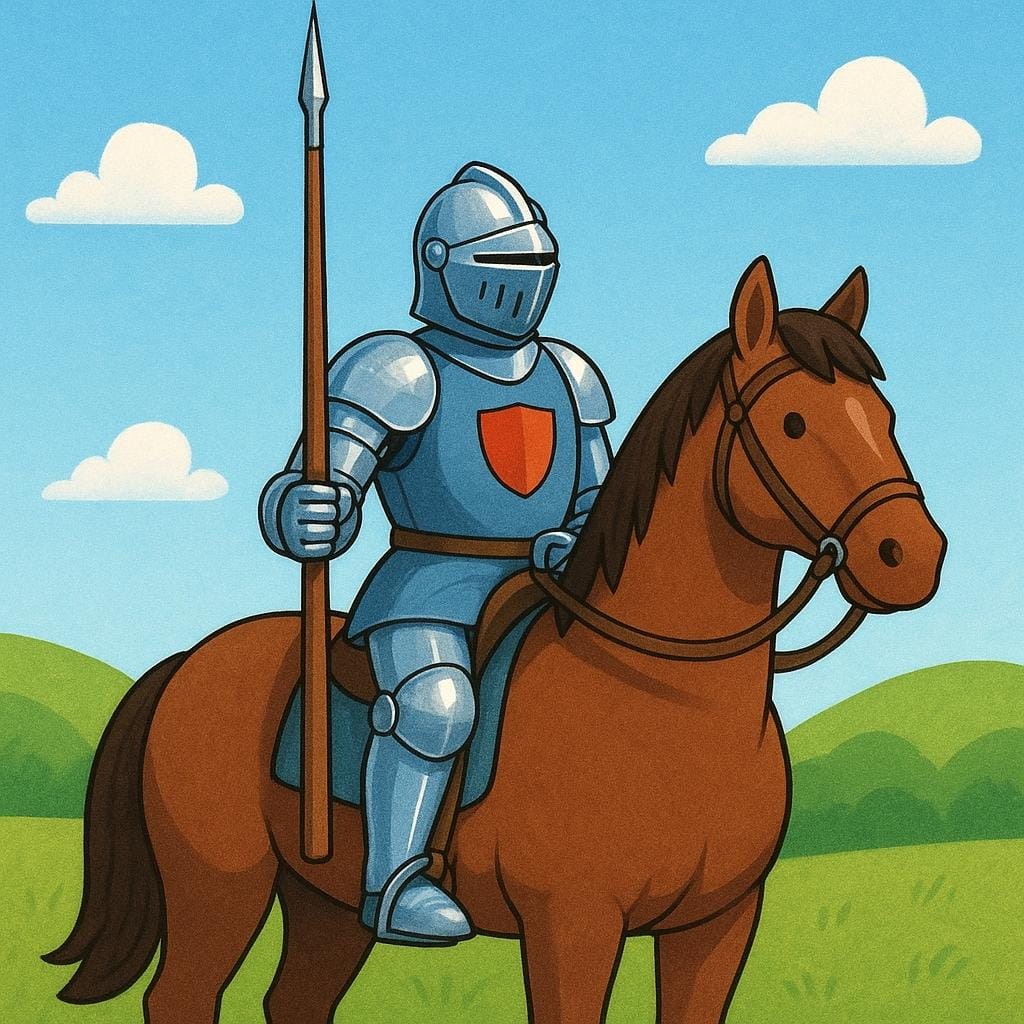
The most common Spanish word for “knight” is “caballero” — use 'caballero' when referring to a medieval mounted warrior, a nobleman, or a chivalrous man in a historical or fictional context.

caballero
kah-bah-YEH-rohka.βaˈʎe.ɾo
Examples
El caballero andante de la historia luchó contra un dragón.
The wandering knight in the story fought against a dragon.
La armadura del caballero pesaba muchísimo.
The knight's armor weighed a lot.
caballo
ka-BA-yokaˈβa.ʝo

Examples
En ajedrez, el caballo se mueve en forma de L.
In chess, the knight moves in an L-shape.
Sacrifiqué mi caballo para poner al rey en jaque.
I sacrificed my knight to put the king in check.
Also Masculine
Just like the animal, the chess piece 'caballo' is also a masculine word. You'd say 'el caballo' when talking about the piece on the board.
Knight vs. Knight
Mistake: “Calling the chess piece 'el caballero'.”
Correction: While 'caballero' does mean 'knight' (like a medieval warrior or a gentleman), the chess piece is always called 'el caballo'.
Confusing Knight with Horse
Related Translations
Learn Spanish with Inklingo
Interactive stories, personalized learning, and more.