How to Say "gentleman" in Spanish
The most common Spanish word for “gentleman” is “caballero” — use 'caballero' as a polite, respectful term for a man, similar to 'sir' in English, or to describe a man with excellent manners and chivalrous behavior.

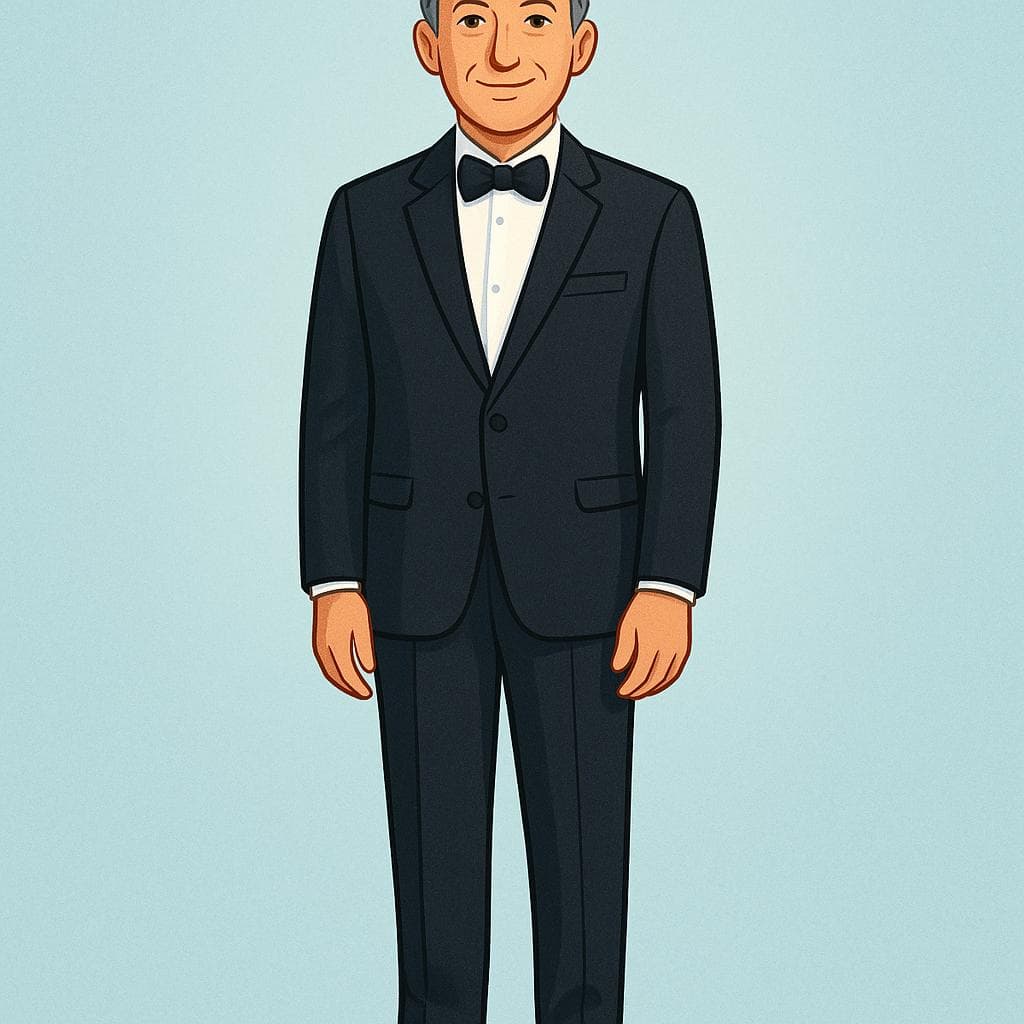
caballero
kah-bah-YEH-rohka.βaˈʎe.ɾo

Examples
Disculpe, caballero, ¿sabe dónde está el baño?
Excuse me, sir, do you know where the restroom is?
Esperamos a un caballero que lleva un sombrero rojo.
We are waiting for a gentleman who is wearing a red hat.
Él es un verdadero caballero, siempre ofreciendo su asiento.
He is a true gentleman, always offering his seat.
Su comportamiento fue el de un caballero, muy respetuoso.
His behavior was that of a gentleman, very respectful.
Masculine Noun
Since this word ends in '-o', it is always masculine, referring only to men. The female equivalent is 'dama' (lady).
Using 'caballero' too informally
Mistake: “Using 'caballero' with a friend in casual conversation.”
Correction: This word is polite, use 'amigo' (friend) or just their name in informal settings.
señor
Examples
Un señor me preguntó la hora en la calle.
A man asked me for the time on the street.
monsieur
mon-siúrmonˈsjeɾ
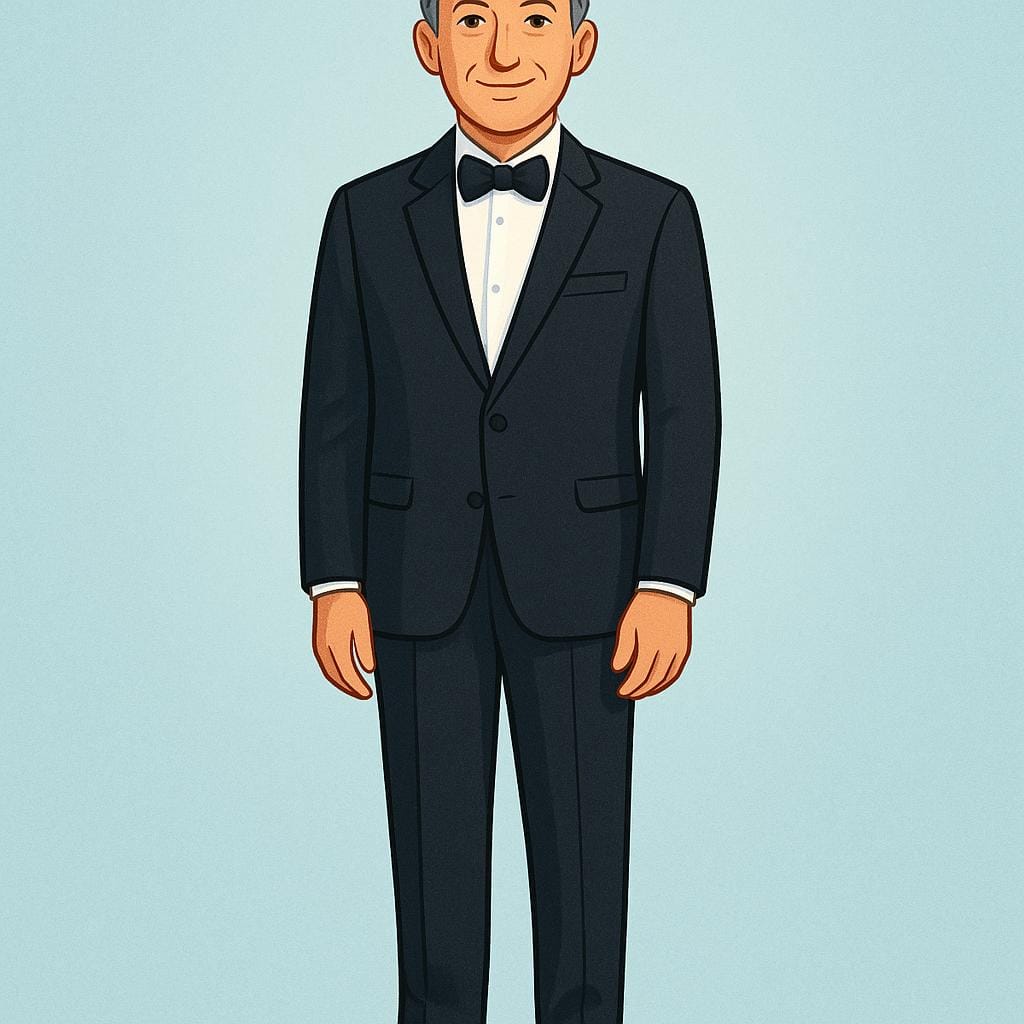
Examples
El famoso 'monsieur' de la novela llegó tarde a la cita.
The famous 'Mr.' from the novel arrived late for the appointment.
Disculpe, monsieur, ¿sabe dónde está la embajada?
Excuse me, sir (French), do you know where the embassy is?
Se comporta como un verdadero monsieur, siempre con guantes y sombrero.
He behaves like a true gentleman (French style), always with gloves and a hat.
A Borrowed Word
Since 'monsieur' is a direct borrowing from French, it doesn't change its form in Spanish (it's invariable). You only use 'el' or 'un' before it.
Using it as a Standard Title
Mistake: “Using 'monsieur' instead of 'señor' when addressing a Spanish speaker.”
Correction: Only use 'monsieur' when referring specifically to a French person or in a literary context. Use 'Señor' for everyone else.
Caballero vs. Señor
Learn Spanish with Inklingo
Interactive stories, personalized learning, and more.