How to Say "mr." in Spanish
The most common Spanish word for “mr.” is “señor” — use 'señor' as a formal title before a man's last name or as a general term of respect for an adult man when his name is known.
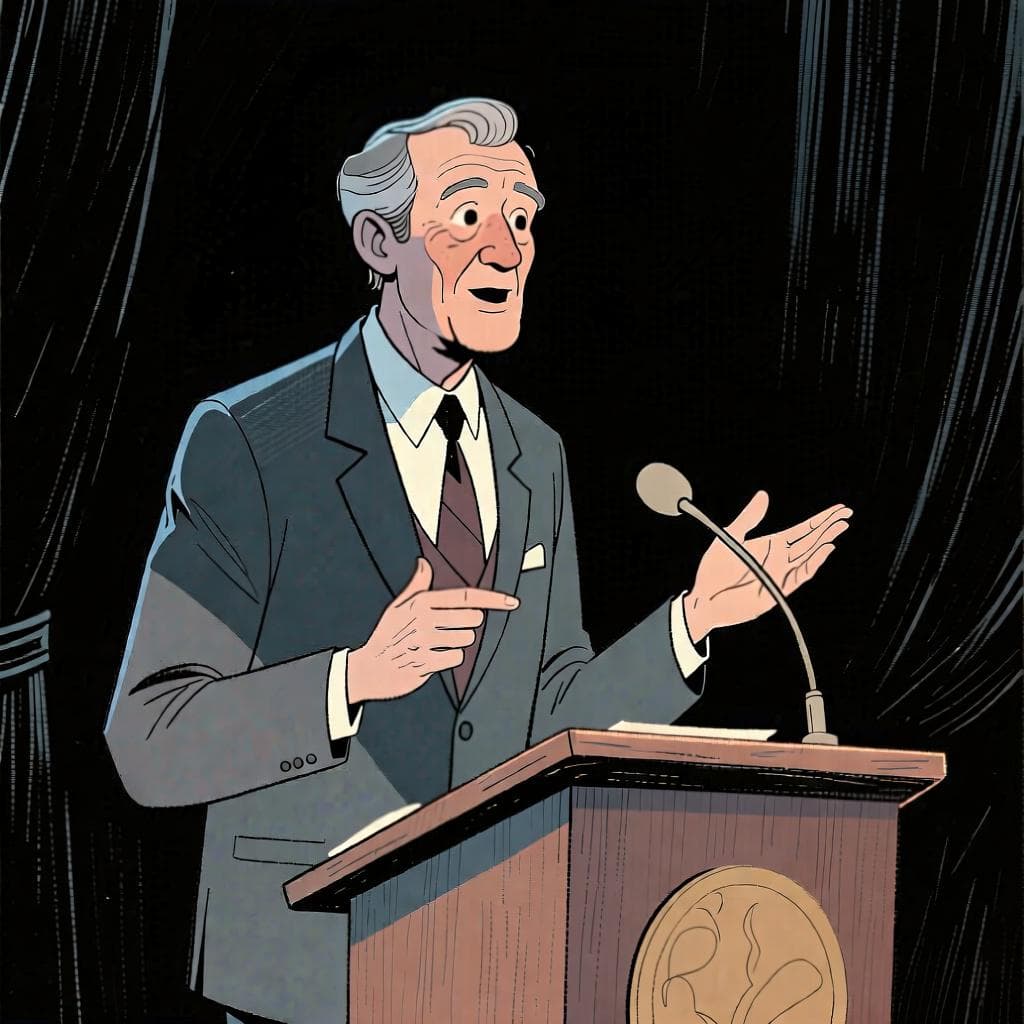
señor
sen-YORseˈɲoɾ
Examples
¿El señor López está en la oficina?
Is Mr. López in the office?
Disculpe, señor, ¿me puede ayudar?
Excuse me, sir, can you help me?
Buenos días, señores. Bienvenidos a la reunión.
Good morning, gentlemen. Welcome to the meeting.
Using 'el' with 'señor'
When you talk about someone (e.g., 'Mr. Pérez'), you need to put 'el' before 'señor'. When you talk to someone directly, you don't use 'el'.
Capitalization Rule
Unlike in English, the title 'señor' is not capitalized unless it's abbreviated as 'Sr.' at the beginning of a sentence.
Forgetting 'el'
Mistake: “Hablé con señor Ramírez.”
Correction: Hablé con el señor Ramírez. You need 'el' because you are talking *about* him, not *to* him.
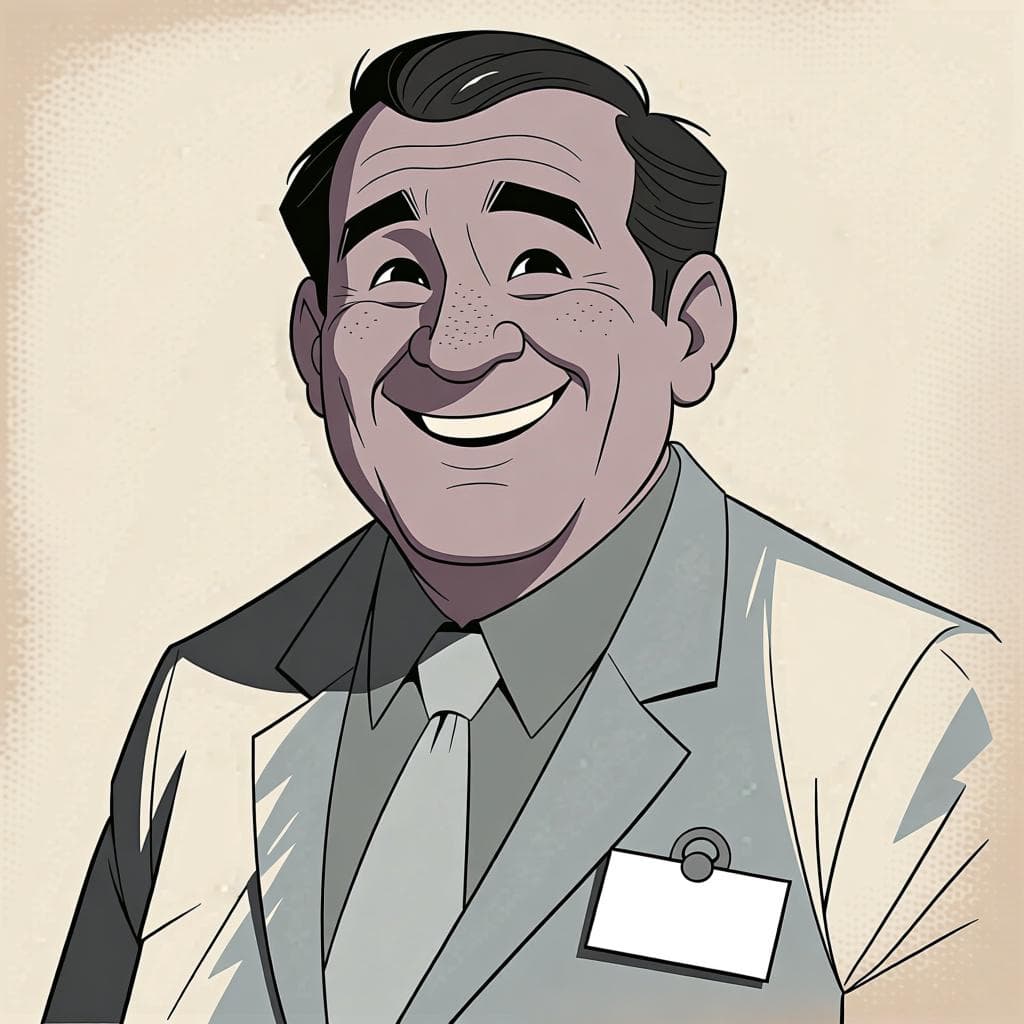
sr.
sen-yorseˈɲoɾ
Examples
El Sr. García no está en la oficina hoy.
Mr. García is not in the office today.
¿Necesita algo, Sr. López?
Do you need anything, Mr. López?
La carta está dirigida al Sr. Juan Ramírez.
The letter is addressed to Mr. Juan Ramírez.
It's Short for 'Señor'
'Sr.' is the short, written form of the word 'señor'. When you say it out loud, you always pronounce the full word: 'señor'.
Always Use a Period
As an abbreviation, 'Sr.' must always have a period at the end. The same goes for 'Sra.' (señora) and 'Dr.' (doctor).
Capitalization Rule
When 'Sr.' is used before a name, it's capitalized, just like in English: 'Sr. Díaz'. If you just write the full word 'señor' in the middle of a sentence, it's usually lowercase.
Forgetting the Period
Mistake: “El Sr Gomez está aquí.”
Correction: El Sr. Gomez está aquí. In Spanish, abbreviations like this need a period to be correct.
Plural Form
Mistake: “Los sr. Martinez y sr. Sanchez.”
Correction: The plural of 'Sr.' is 'Sres.' (for 'señores'). Use it for more than one man: 'Los Sres. Martinez y Sanchez'.
Pronouncing the Abbreviation
Mistake: “Saying 'ese-erre' out loud.”
Correction: Never pronounce the letters 'S-R'. Always say the full word, 'señor', even when you see 'Sr.' written down.
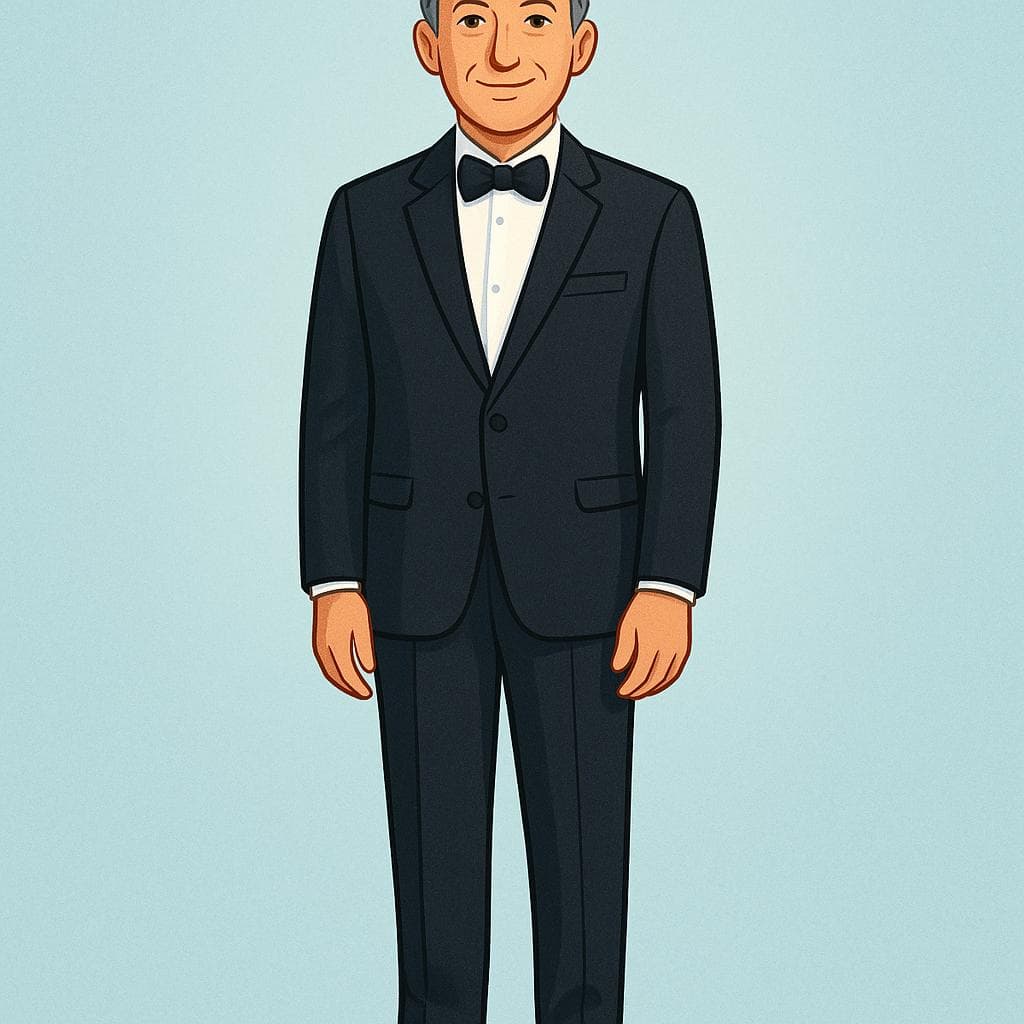
monsieur
mon-siúrmonˈsjeɾ
Examples
El famoso 'monsieur' de la novela llegó tarde a la cita.
The famous 'Mr.' from the novel arrived late for the appointment.
Disculpe, monsieur, ¿sabe dónde está la embajada?
Excuse me, sir (French), do you know where the embassy is?
Se comporta como un verdadero monsieur, siempre con guantes y sombrero.
He behaves like a true gentleman (French style), always with gloves and a hat.
A Borrowed Word
Since 'monsieur' is a direct borrowing from French, it doesn't change its form in Spanish (it's invariable). You only use 'el' or 'un' before it.
Using it as a Standard Title
Mistake: “Using 'monsieur' instead of 'señor' when addressing a Spanish speaker.”
Correction: Only use 'monsieur' when referring specifically to a French person or in a literary context. Use 'Señor' for everyone else.
Confusing 'señor' and 'monsieur'
Related Translations
Learn Spanish with Inklingo
Interactive stories, personalized learning, and more.